


















Align the decision makers
Structured workshops that turn competing opinions into one written set of goals, audiences and success measures.


Agree who the site is for, what it must do and how it should feel before a single page is designed.
The problem
Most redesigns start in the design file and stall in review, because nobody agreed what the site is for. Stakeholders argue about colours when the real disagreement is about audience, offer and priority. A web design strategy settles those questions first, so every design decision after it has something to be checked against.
What you get
Six outputs, each agreed with your team and used directly by designers and developers.
Structured workshops that turn competing opinions into one written set of goals, audiences and success measures.
Primary and secondary audiences, what each needs to find and the question that brings them to your site.
An information architecture that groups pages the way visitors think, checked against the tasks that matter most.
The 3 to 5 paths from first visit to enquiry, with the pages and proof each step needs.
Moodboards, principles and a first key page that show how the brand should look and feel online.
Page templates, CMS needs, integrations and a platform recommendation, ready for a fixed-price quote.
Strategy earns its fee in the weeks of design and build that follow.
The strategy is platform-neutral. We recommend the build that fits your team, then carry the plan into it.
Every ecosystem, five ways in
Short, workshop-led and finished before design starts.
Stakeholder interviews, an analytics review and a look at the competitors your buyers compare you with.
Workshops that agree goals, audiences and success measures, written down and signed off.
Sitemap, priority journeys and page requirements, checked against real visitor tasks.
Creative direction and a build scope, handed to design and development.
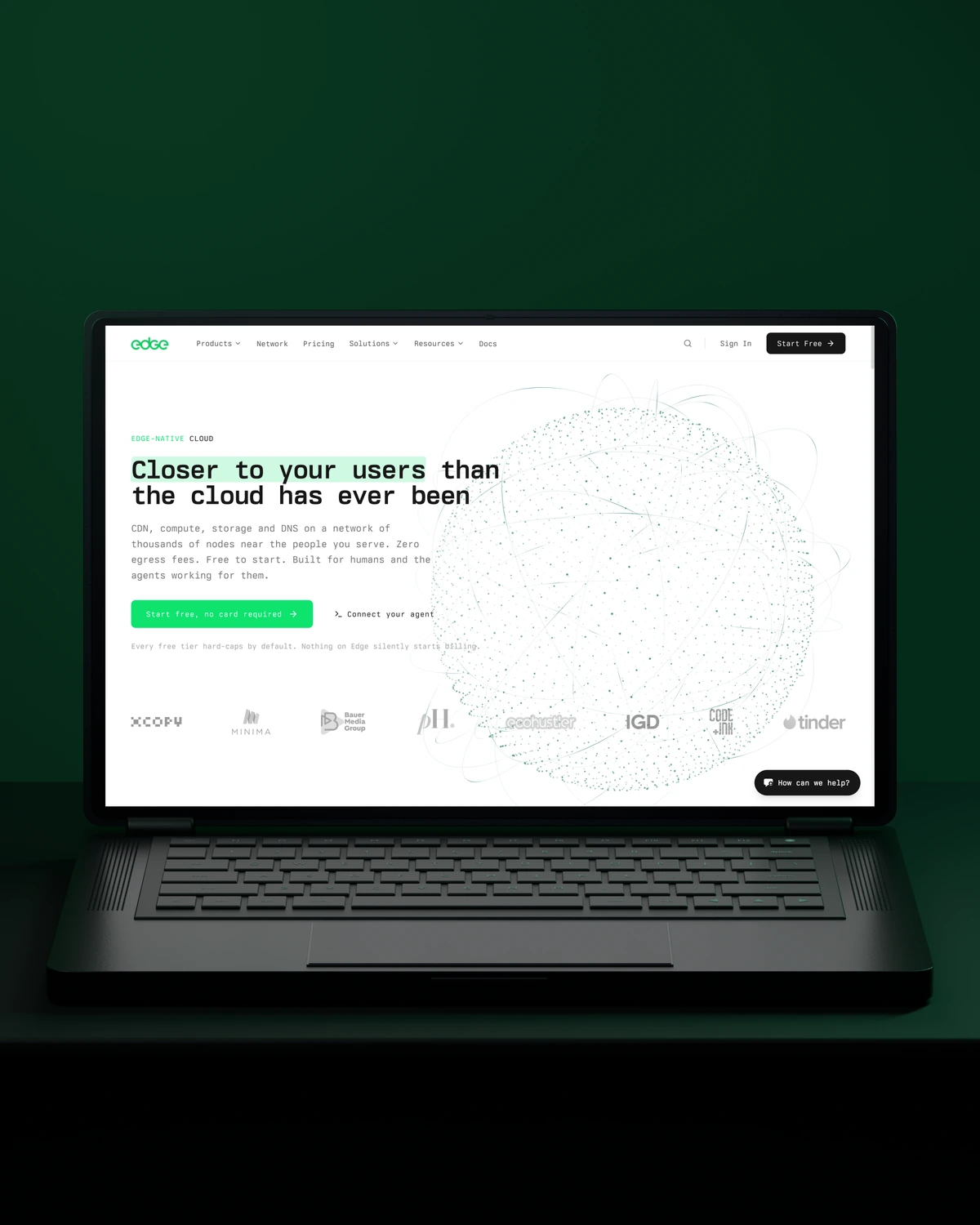

 Built to driveMore product discovery.
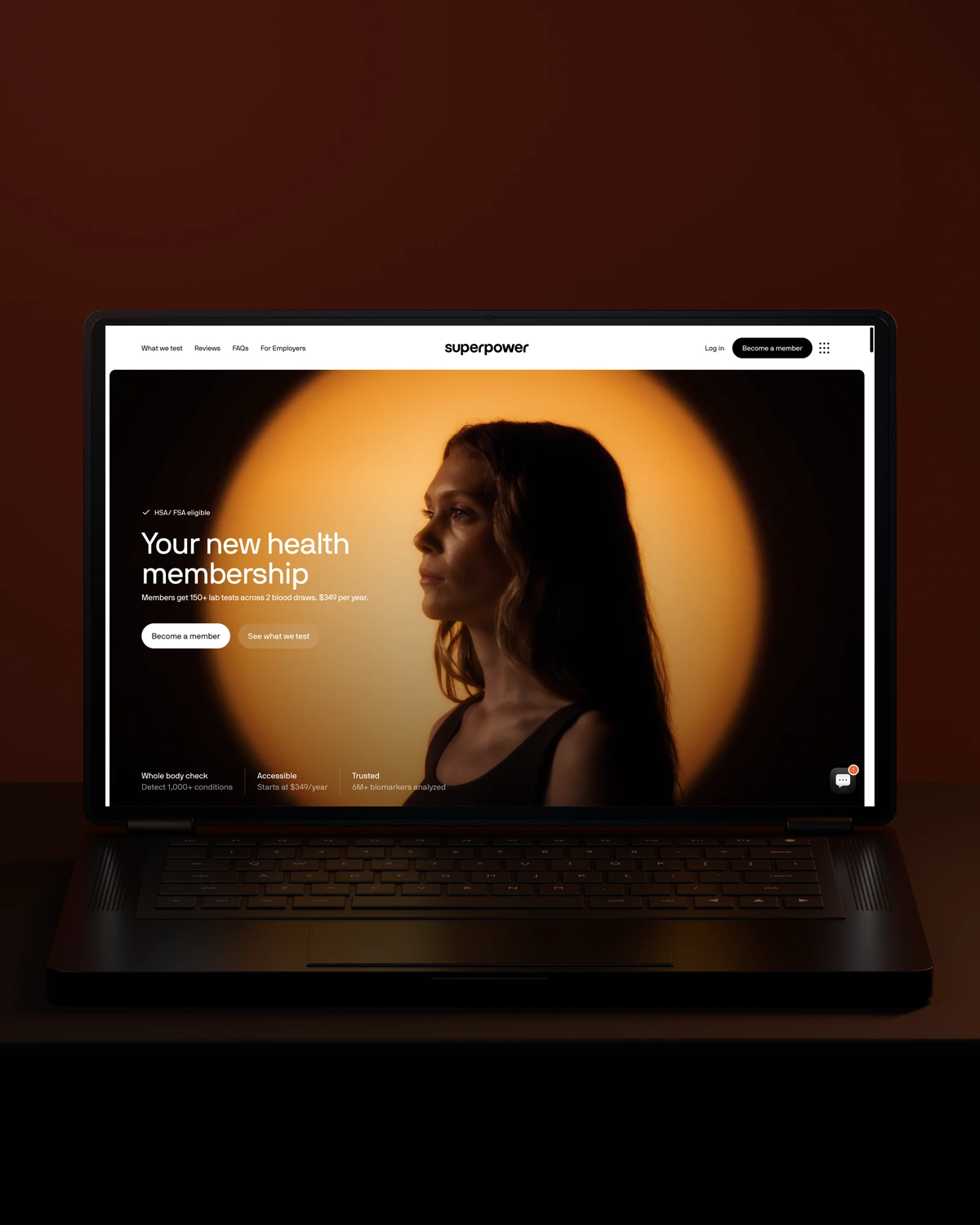

 Built to driveMore sign-ups.


 Built to driveMore memberships.
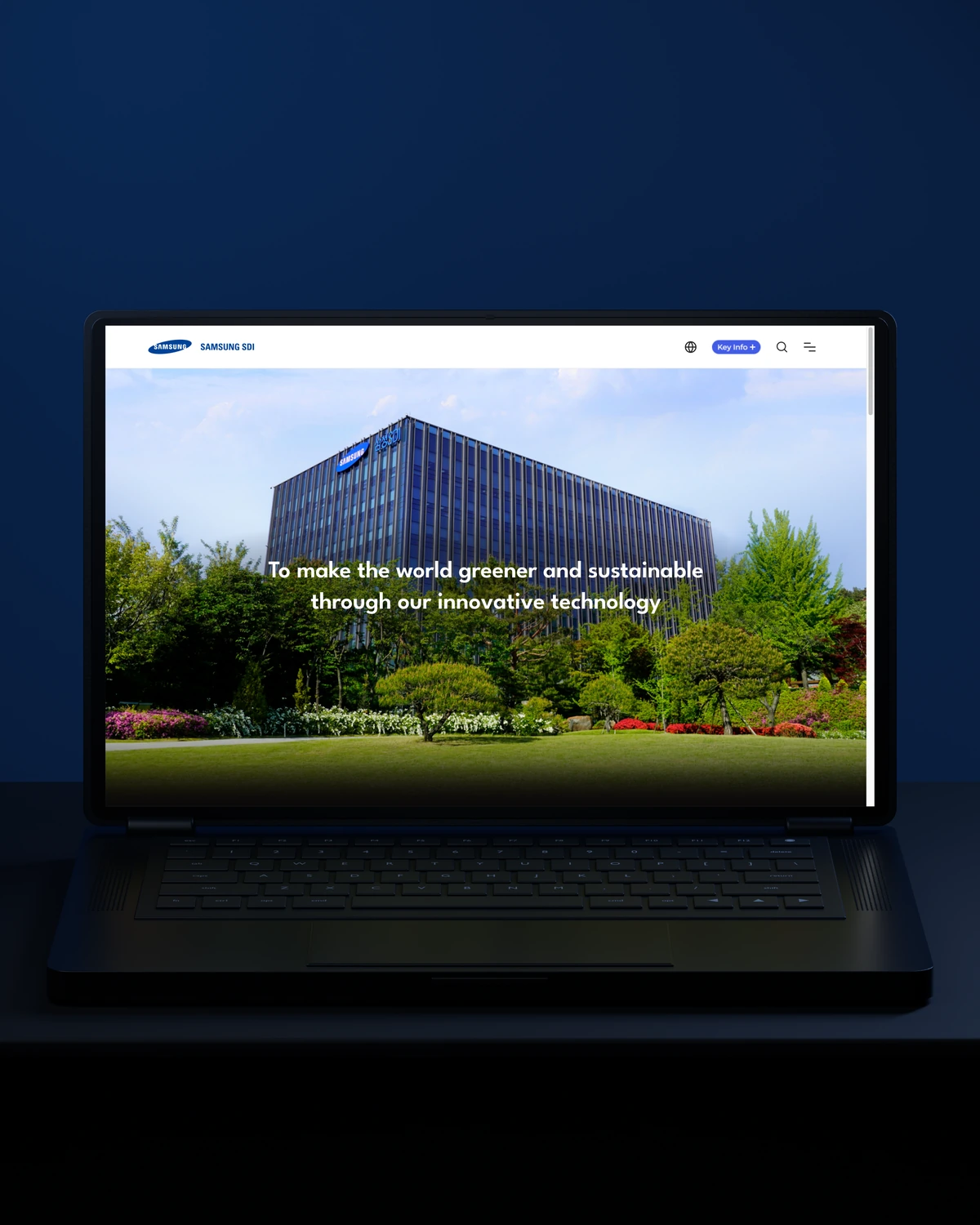

 Built to driveBetter-qualified leads.
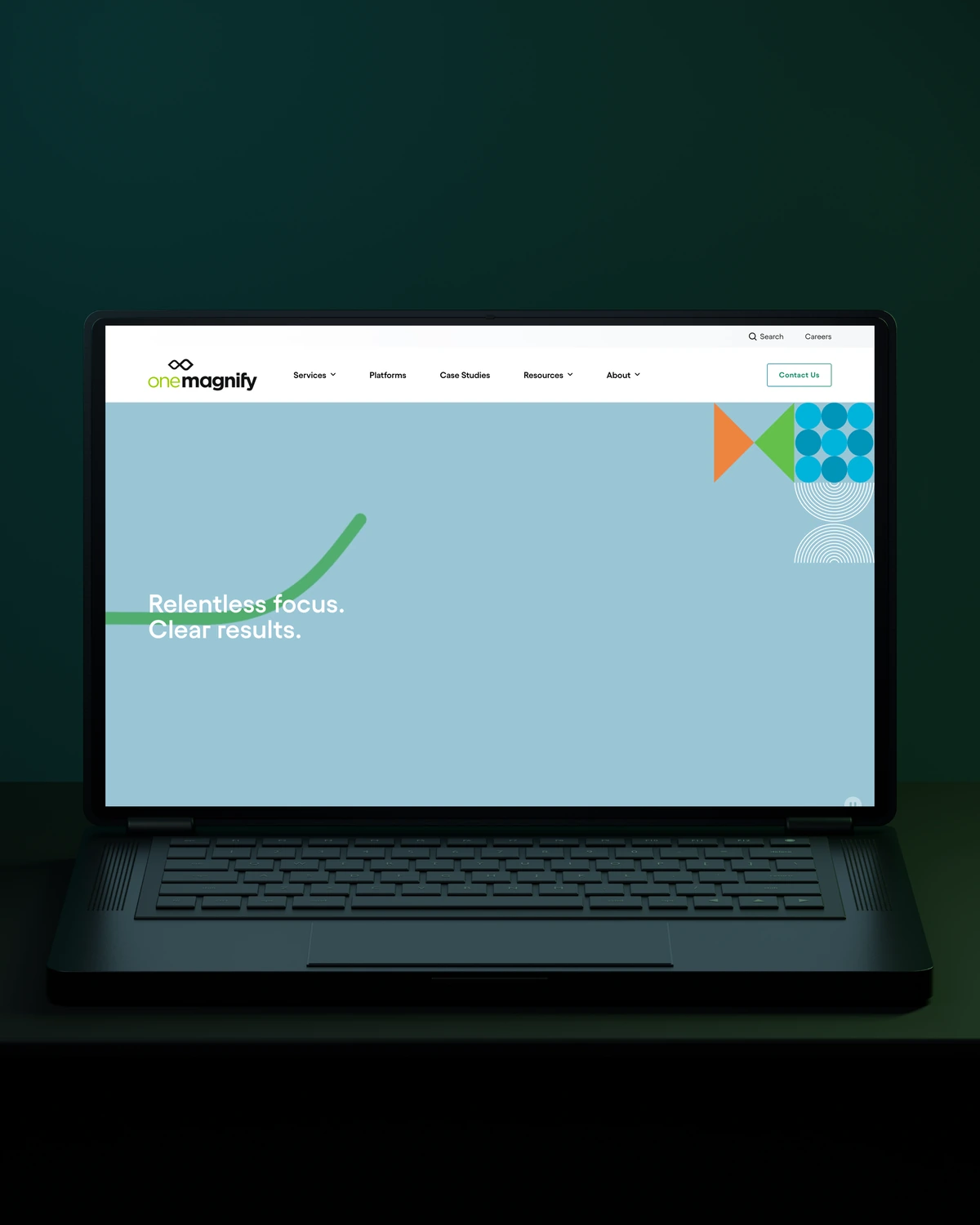
 Built to driveMore qualified candidates.
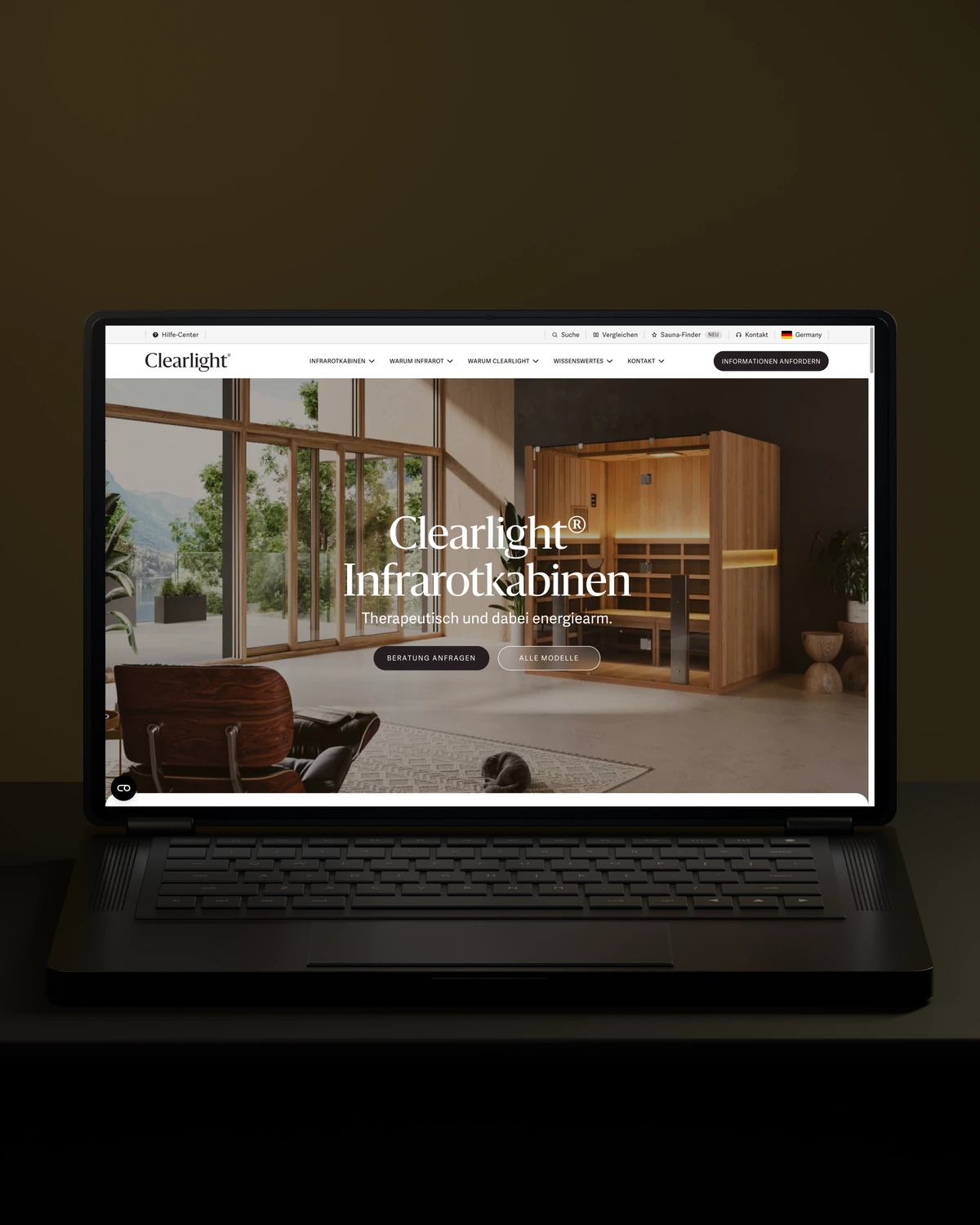


 Built to driveMore enquiries.
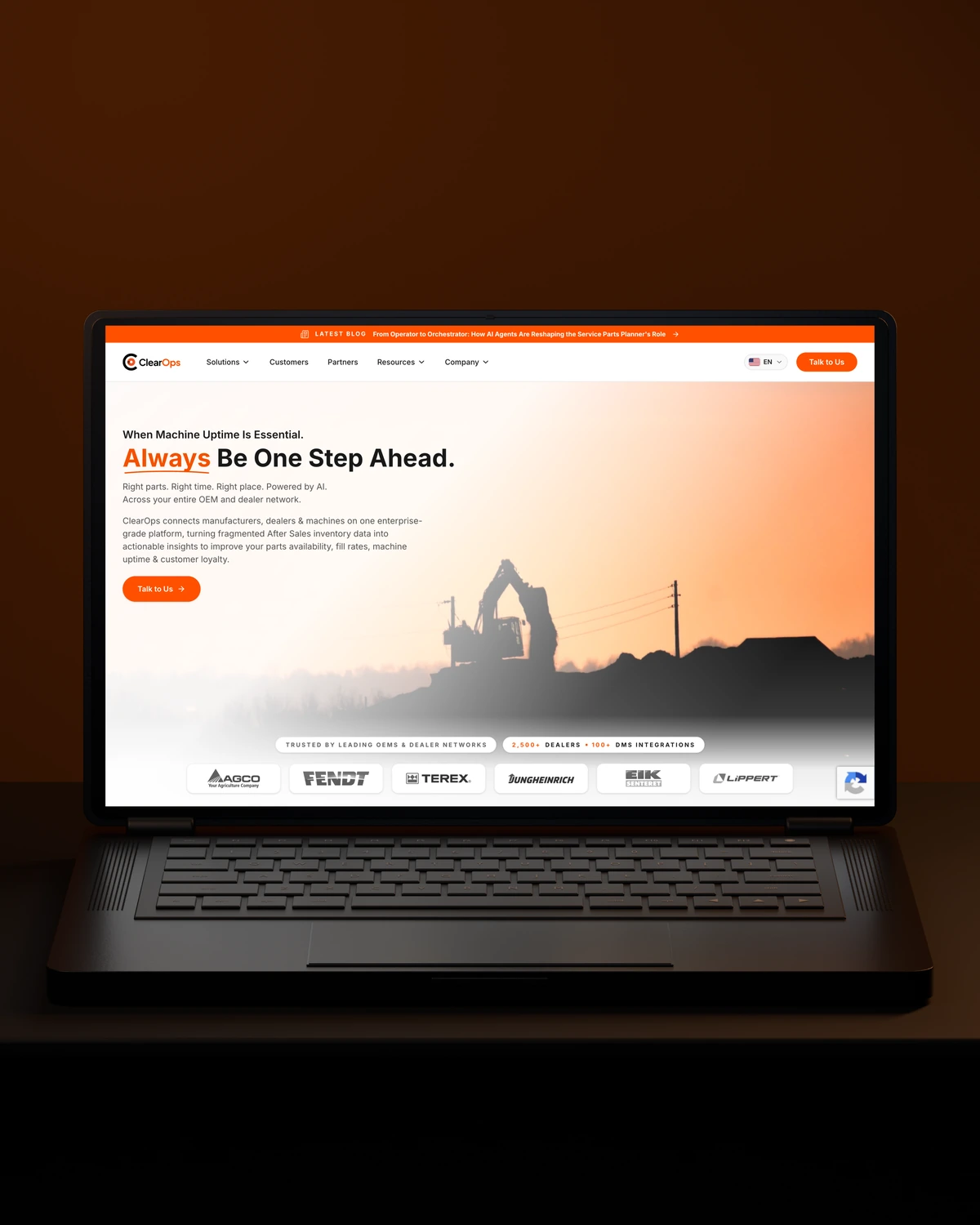
 Built to driveMore qualified demos.
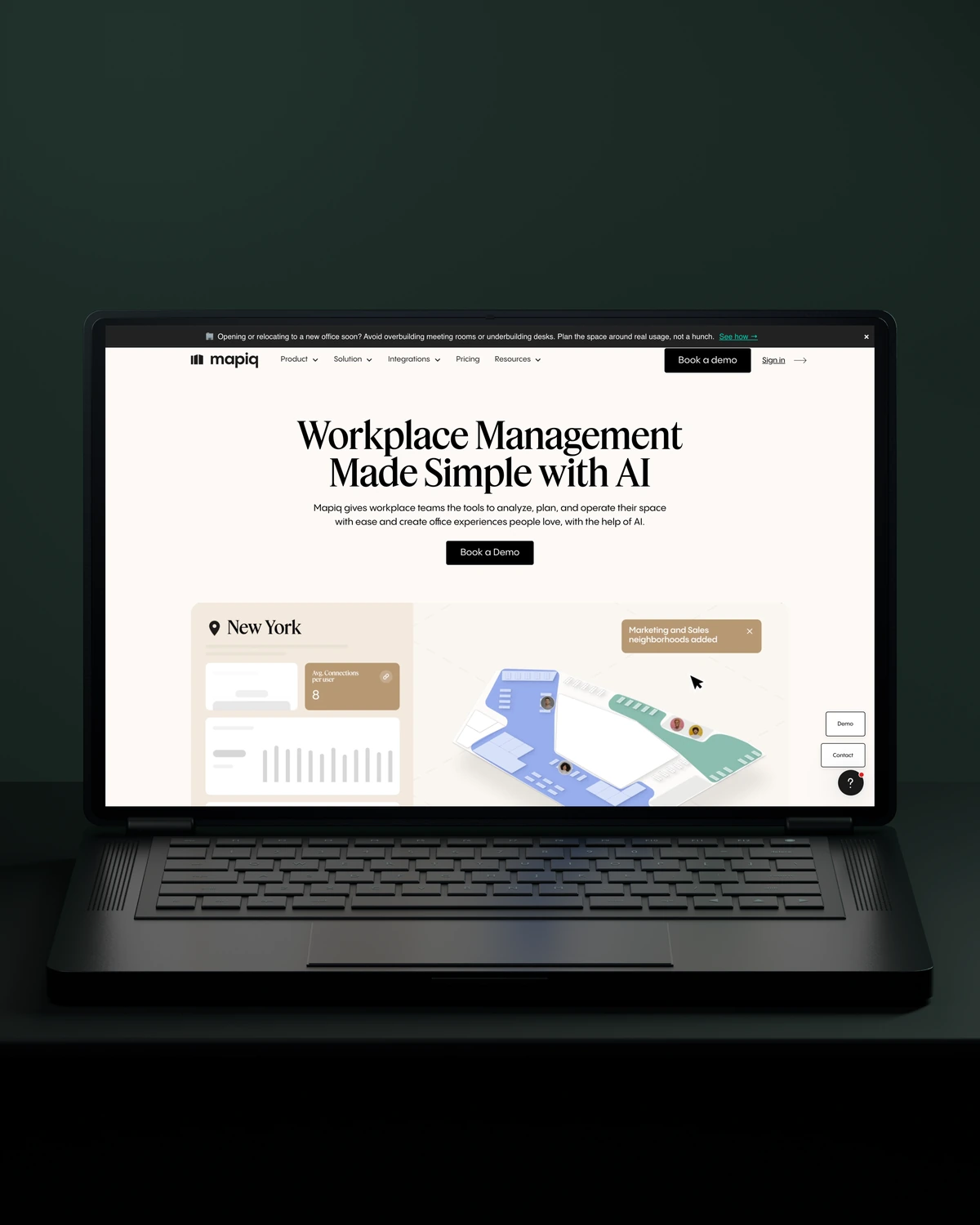
 Built to driveMore workplace demos.

 Built to driveMore business accounts.

 Built to driveMore free trials.
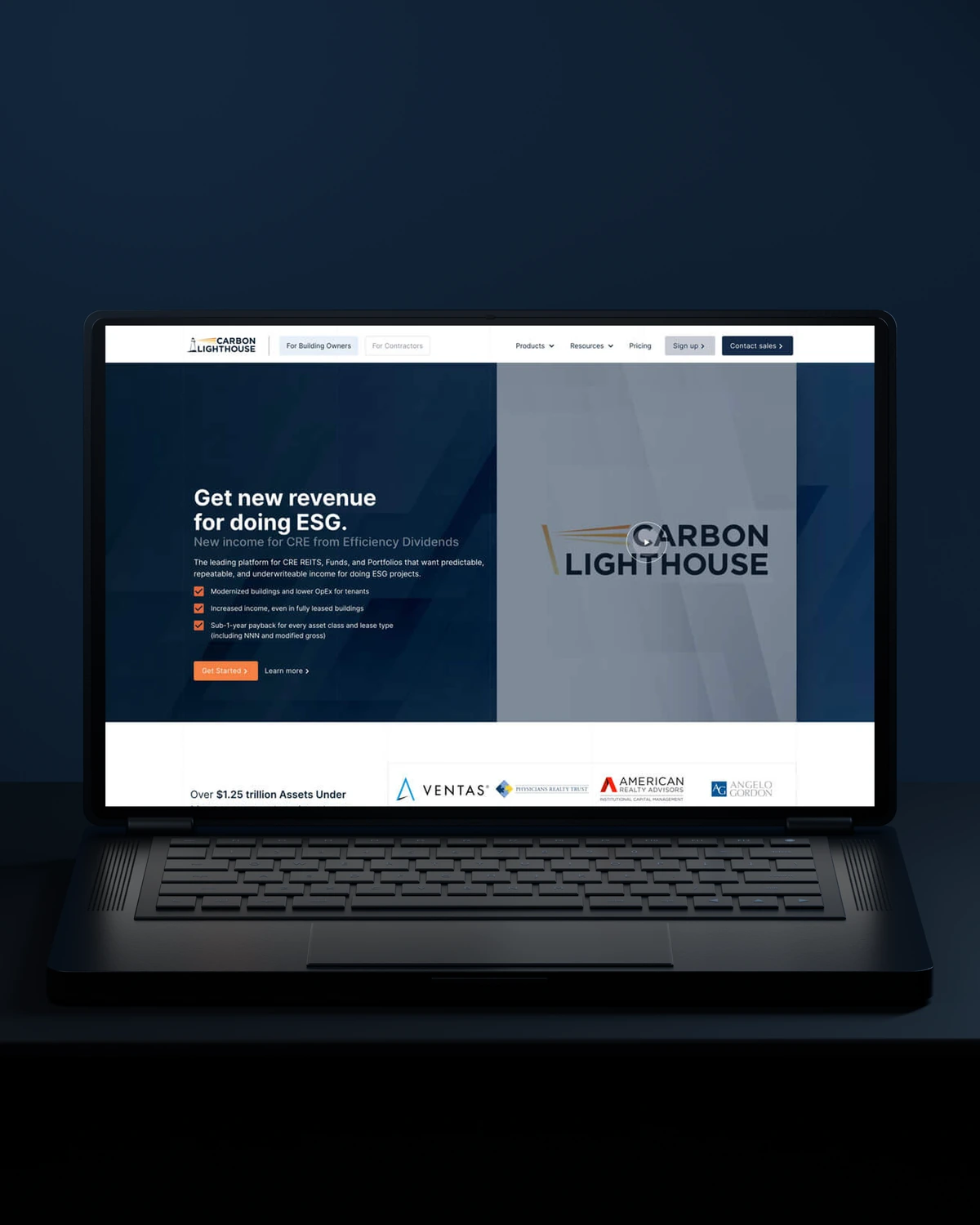
 Built to driveMore building owners.
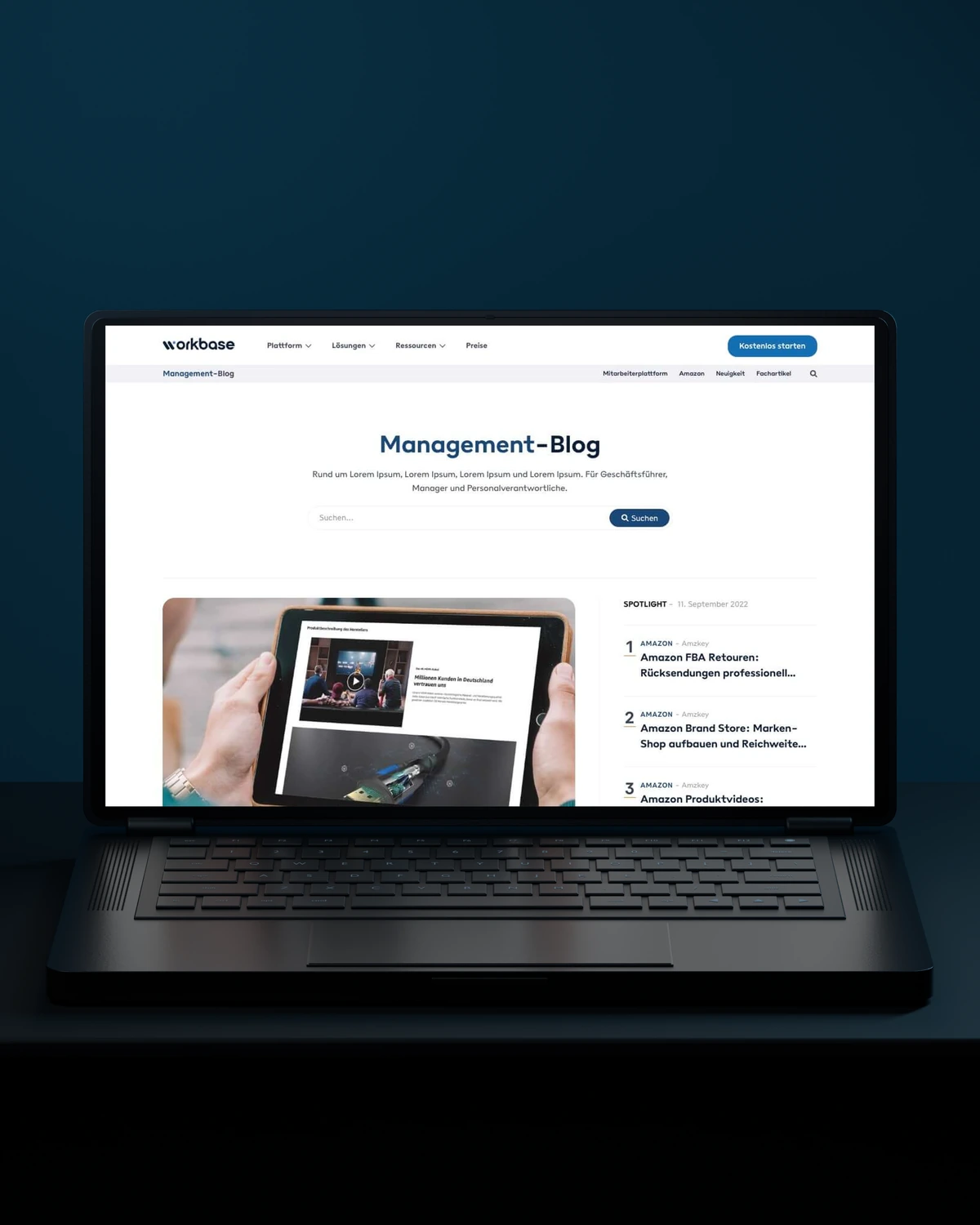
 Built to driveMore free sign-ups.
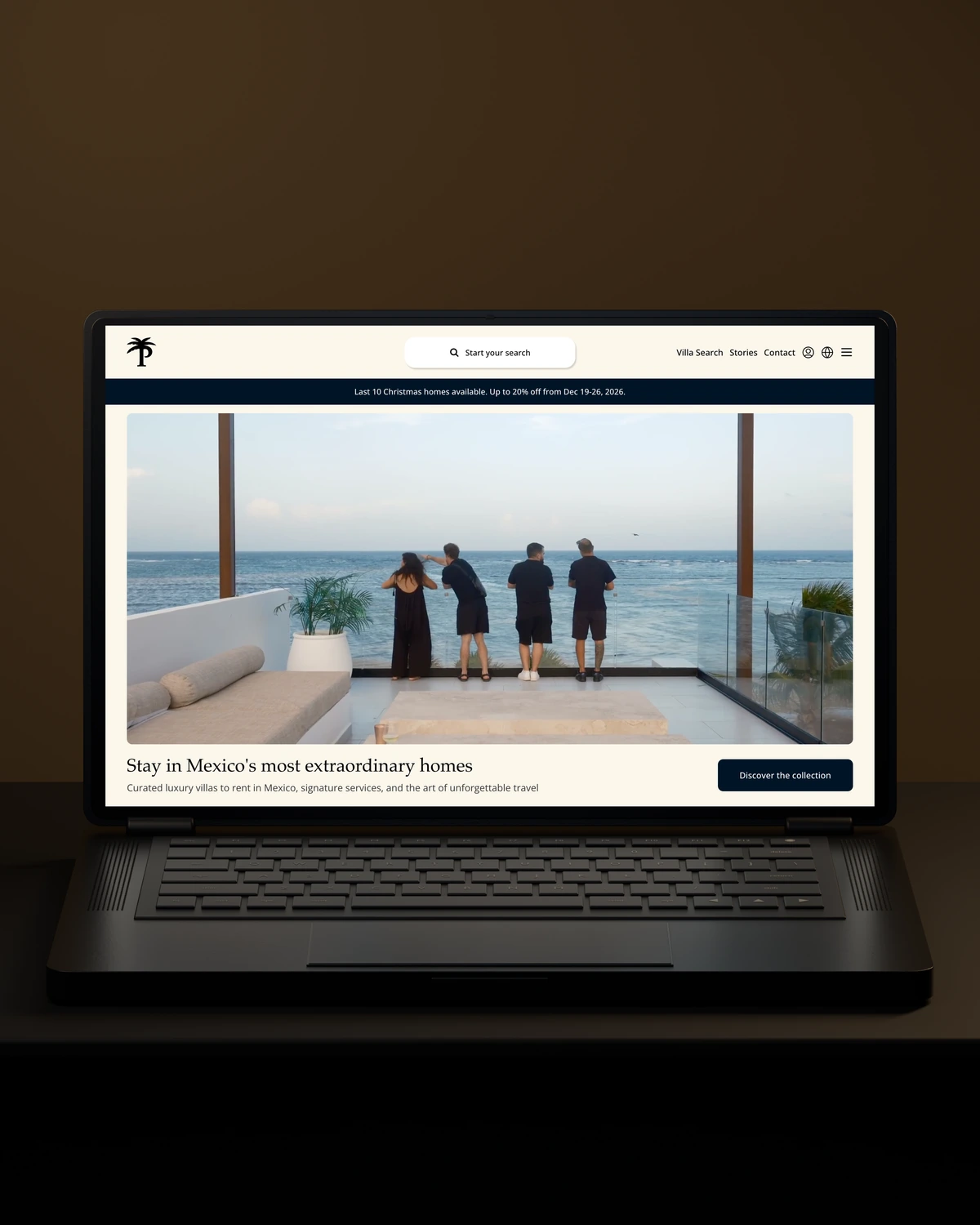
 Private Villas MexicoBuilt to driveMore direct bookings.

 Built to driveMore committed players.
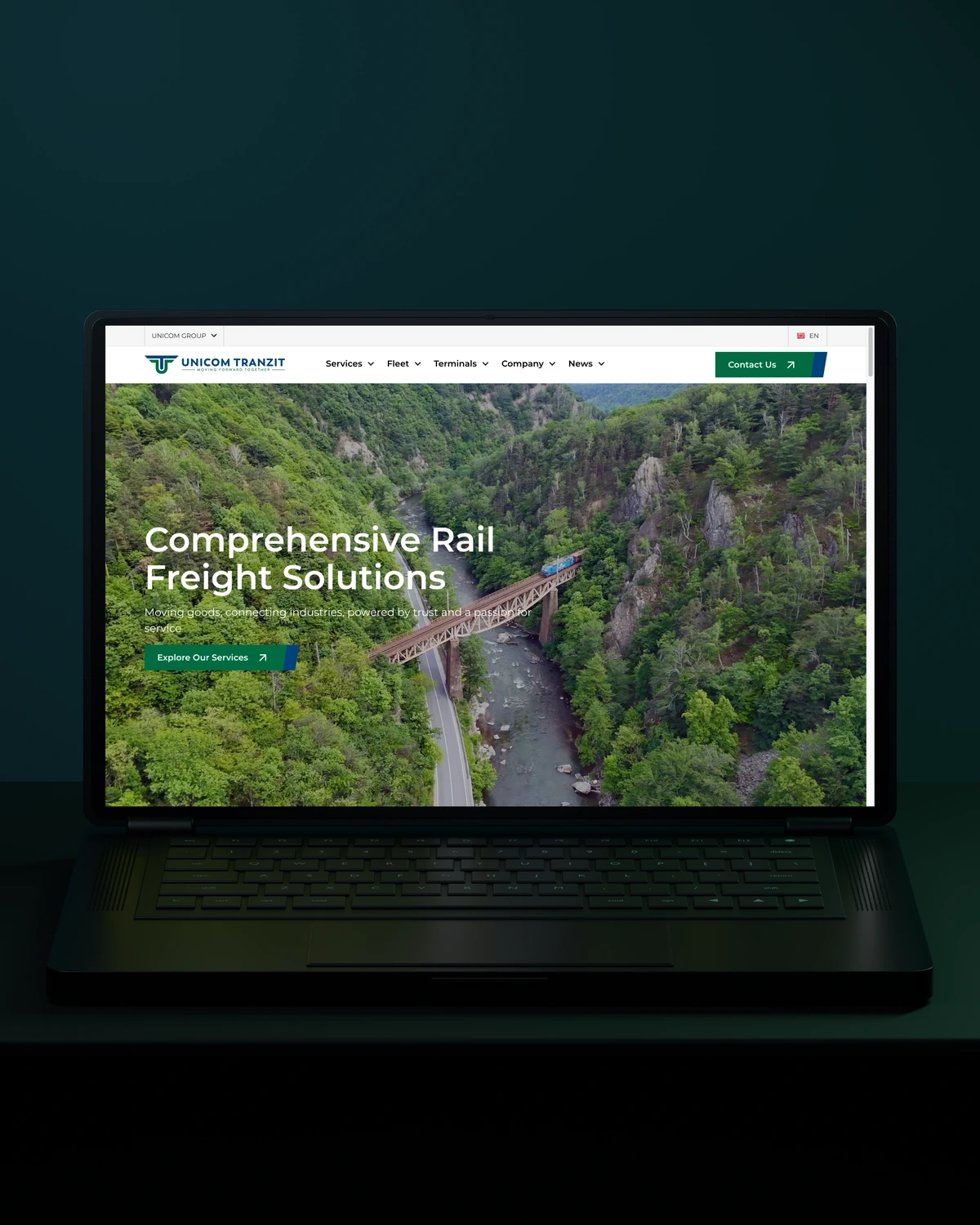


 Built to driveMore returning customers.

 Built to driveMore meaningful demos.

 Built to driveBetter talent connections.
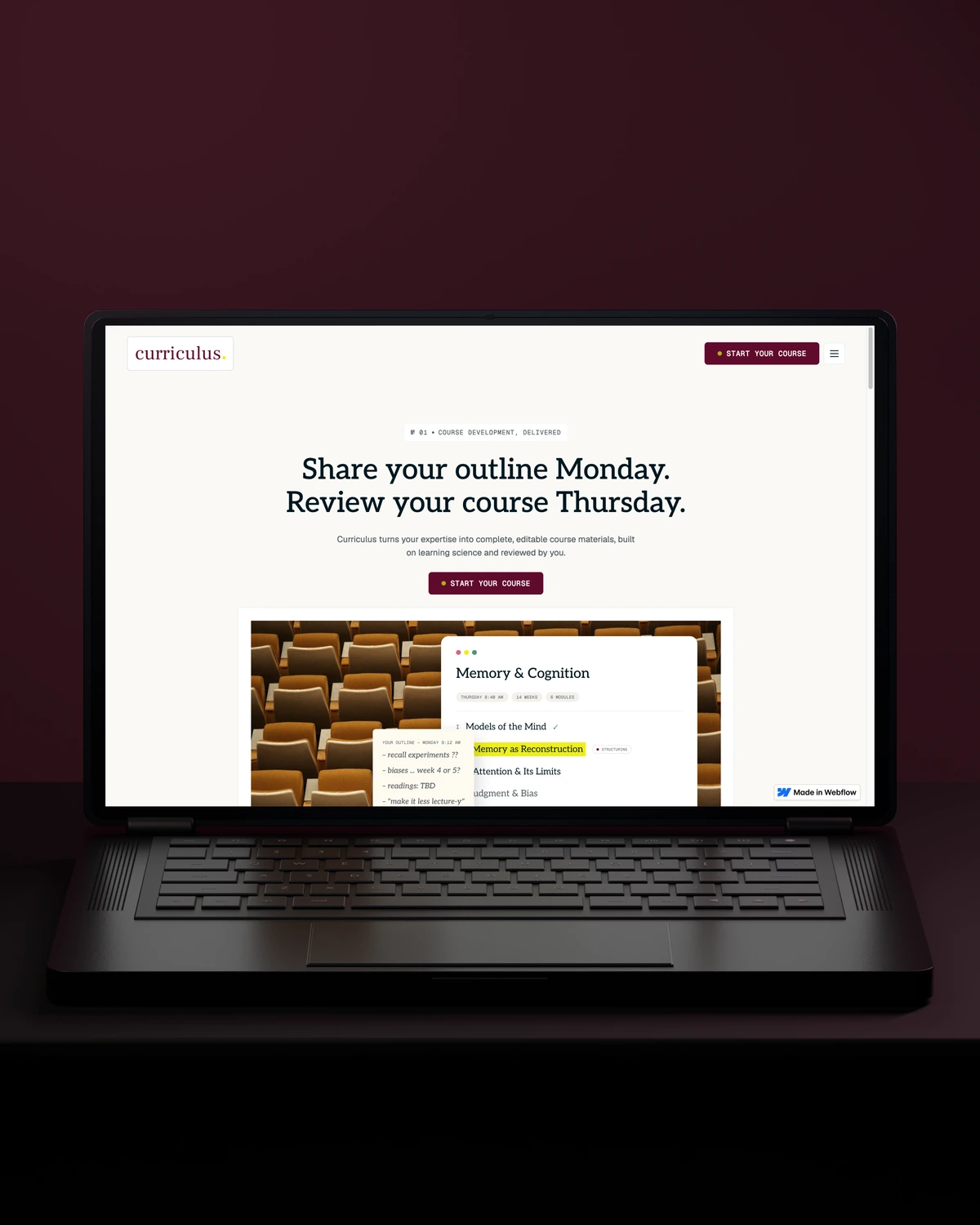
 Built to driveMore course creators.
Trusted across our practice
Independent reviews. Long-term working relationships.


“Stega Creative team not only understood our needs and vision for the websites, but they also came up with improvements.”
“After a website (re)launch, they are also always accessible and happy to help. I highly recommend everyone who is looking for a new and more stable website in Webflow, to work with Stega!”
“We’ve been working with Stega & Gabriel for the last two years. Cannot recommend them enough. They’re responsive, professional & an asset.”
A few things worth discussing before your design strategy takes shape.
A web design strategy is the written plan a website is designed and built from. It defines the audiences, goals, sitemap, priority journeys and creative direction, so designers and developers make decisions against agreed priorities instead of opinions in review.
A Stega website strategy project includes stakeholder interviews, analytics and competitor reviews, audience profiles, a sitemap, priority journeys, creative direction and a build scope. Every output is short enough to read in one sitting and specific enough for a developer to price.
Most of that time goes into interviews and workshops, so the length depends on how many stakeholders need a say and how far apart they start.
You need a design strategy before a redesign when stakeholders disagree on goals, the audience has changed or the sitemap no longer fits. If the brief is already clear and agreed, a short discovery inside the design project is enough.
Web design strategy decides what the site is for and which journeys matter. UX design works out how each journey should function, through research, flows and prototypes. Strategy comes first and sets the brief. UX design follows and tests it with real users.
Yes. The strategy documents belong to you and are written for any design or development team to use. The sitemap, journeys, creative direction and scope work as well as a brief for an in-house team as they do for Stega.
way.Your ambition. Our collective craft.
Strategy, design and technology, working as one.