























Map the process
Every trigger, system, exception and person in the current workflow documented before anything is built.


We connect the systems your team copies data between, through APIs and workflows that run, retry and report when something fails.
The problem
Orders exported to a spreadsheet. Leads re-typed into the CRM. Invoices matched by hand at month end. Every manual handoff costs time and adds errors, and nobody notices the step that silently failed last Tuesday. Backend automation connects the systems directly, with clear triggers, retries and alerts, so data moves on its own and problems surface fast.
What you get
Every integration designed for the day something goes wrong, not only the day it works.
Every trigger, system, exception and person in the current workflow documented before anything is built.
Direct integrations between your CRM, store, finance, support and internal tools, built within each vendor's limits.
Native integrations, workflow tools or custom services, chosen by cost, volume and who maintains them.
Retries, queues and alerts, so a failed sync is fixed in hours, not found at month end.
Clear rules for which system owns each record, so data stops conflicting between tools.
Documentation, logging and dashboards your team uses to keep every integration healthy.
Fewer manual steps, and a clear signal when one breaks.
The platforms we connect most often, in either direction.
Every ecosystem, five ways in
Designed around the exceptions, because that is where integrations break.
Workshops and system reviews to document the current process, volumes and failure points.
Integration architecture, data ownership rules and error handling agreed.
Integrations built and tested against expected and failed paths in a staging environment.
Go-live, monitoring and handover to the team that will own it.



 Built to driveMore sign-ups.


 Built to driveMore memberships.
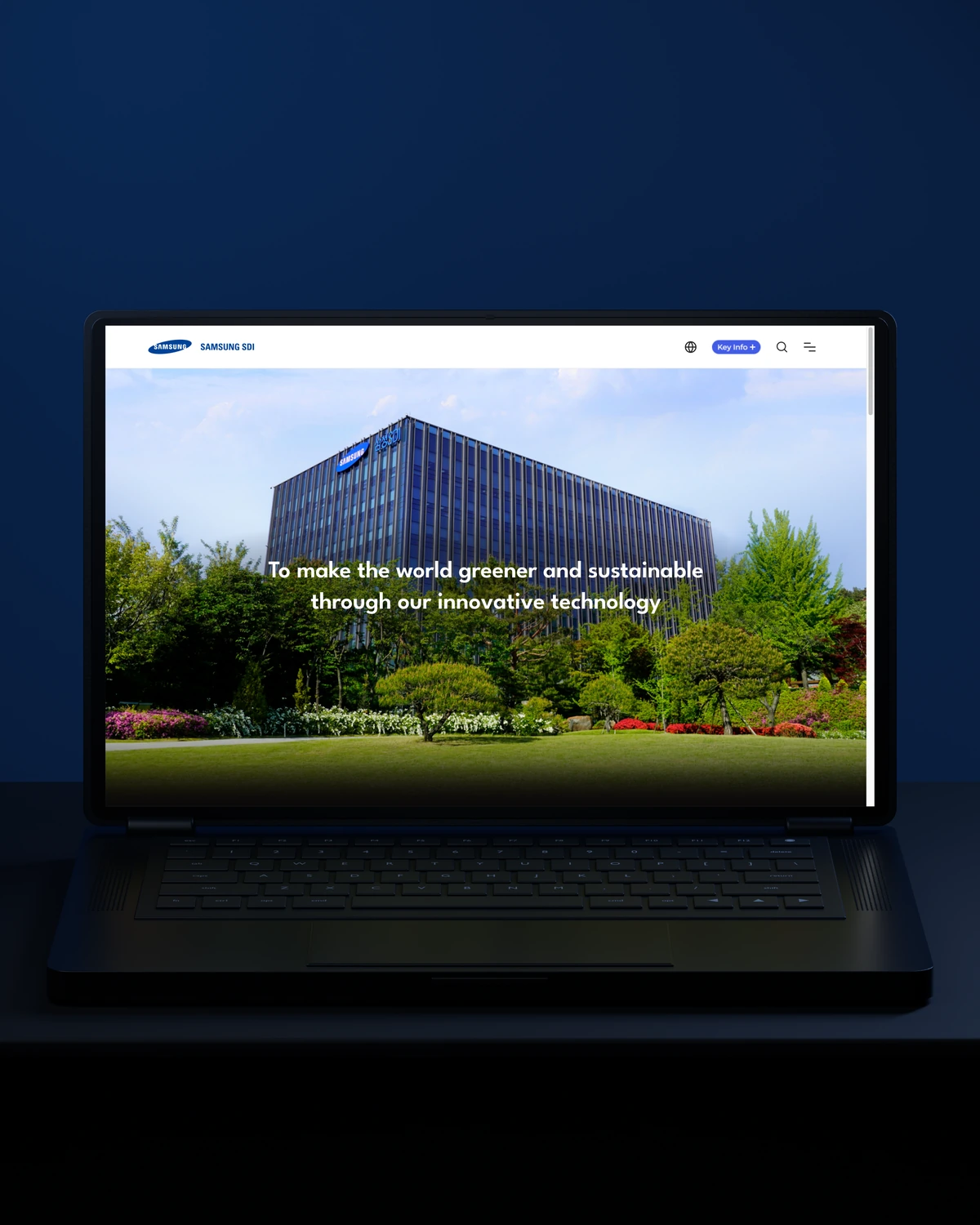

 Built to driveBetter-qualified leads.
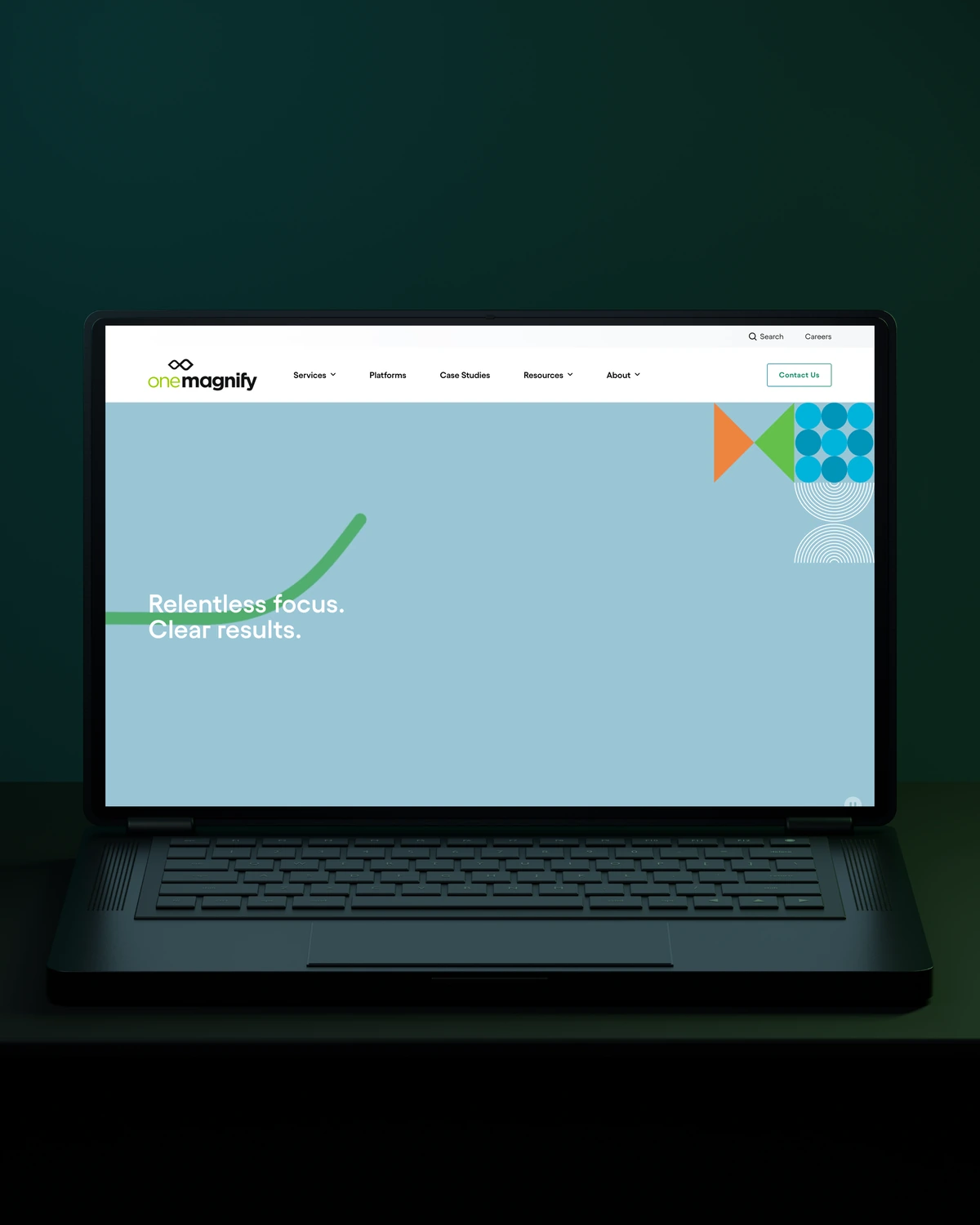
 Built to driveMore qualified candidates.



 Built to driveMore enquiries.

 Built to driveMore qualified demos.
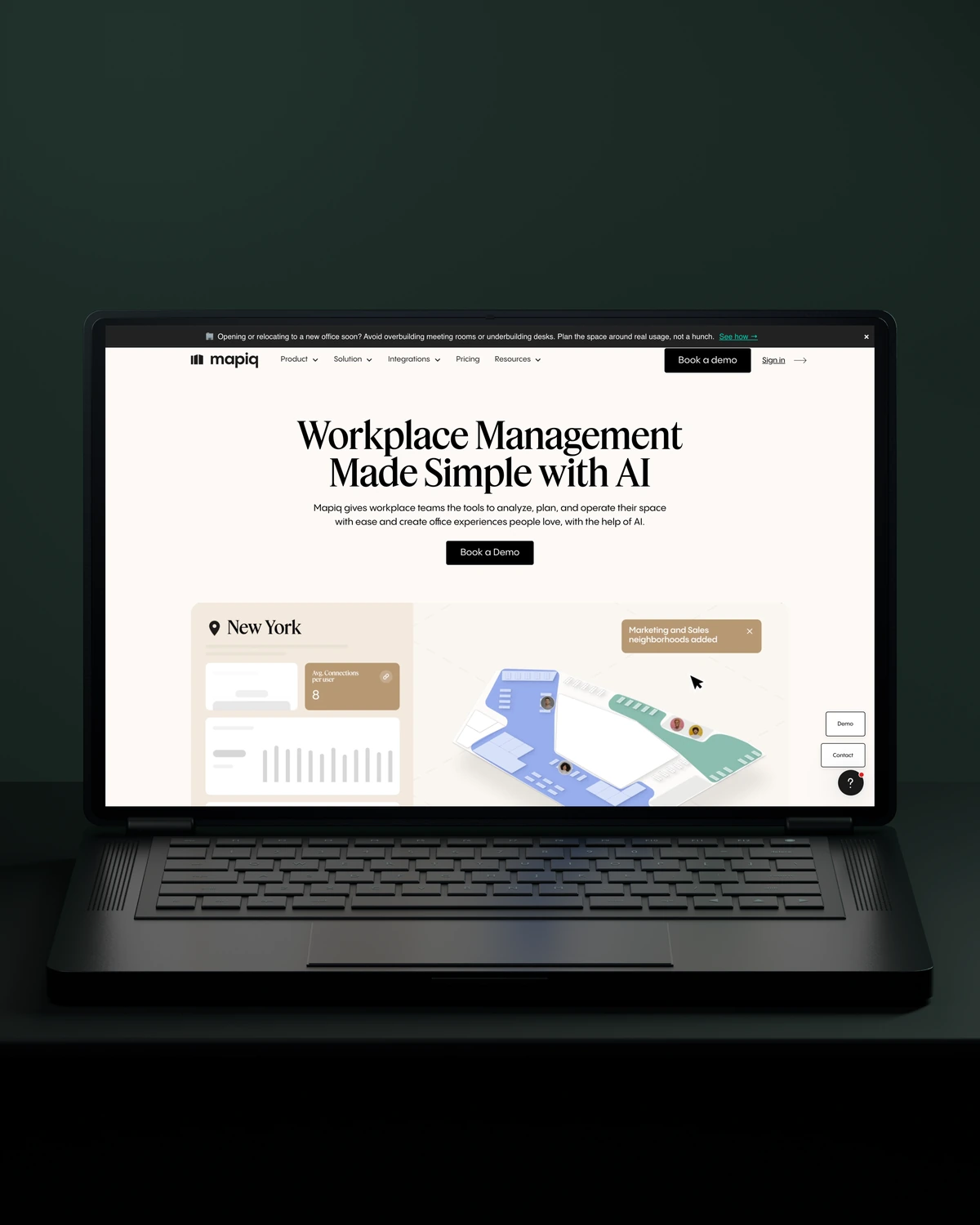
 Built to driveMore workplace demos.
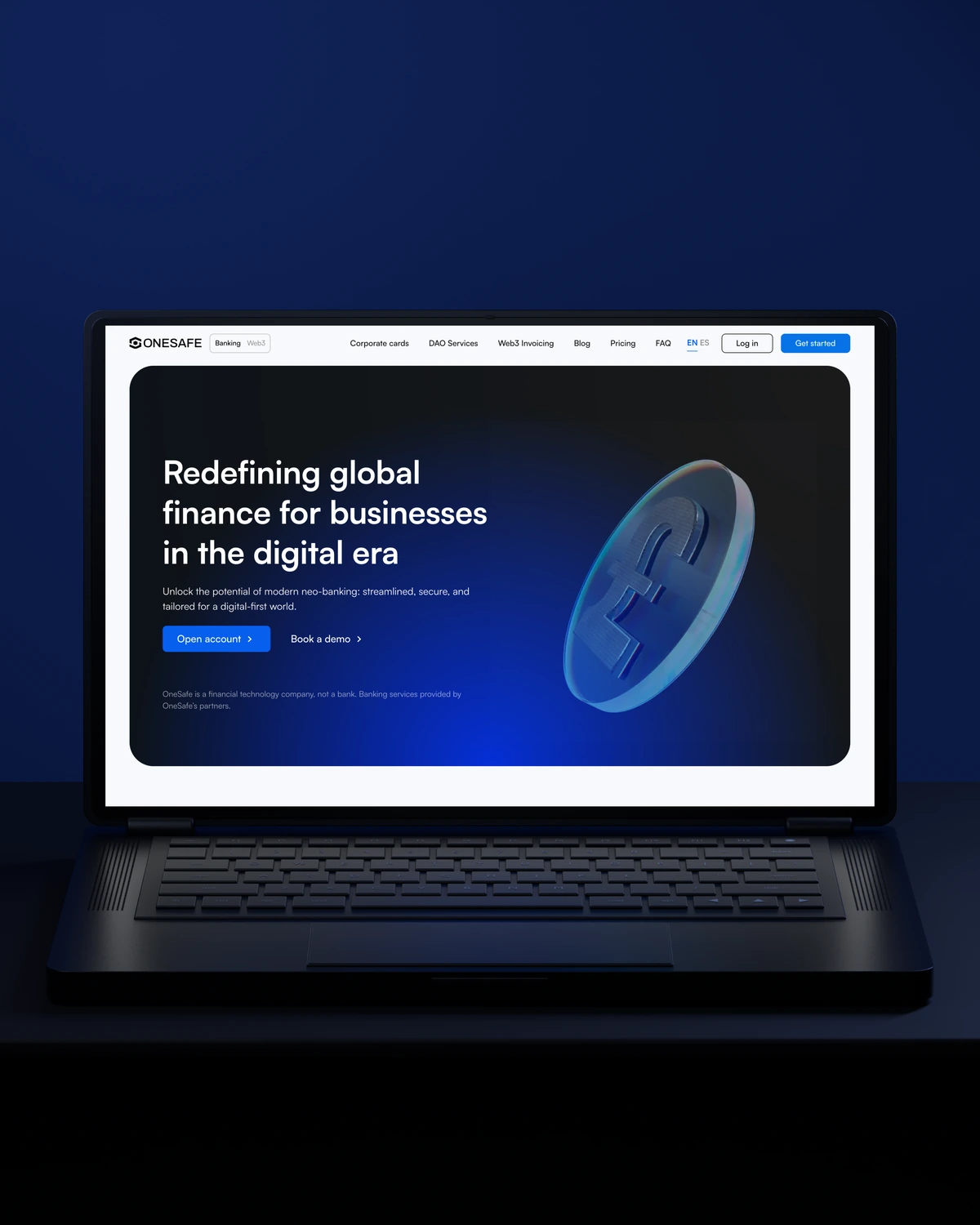
 Built to driveMore business accounts.

 Built to driveMore free trials.

 Built to driveMore building owners.
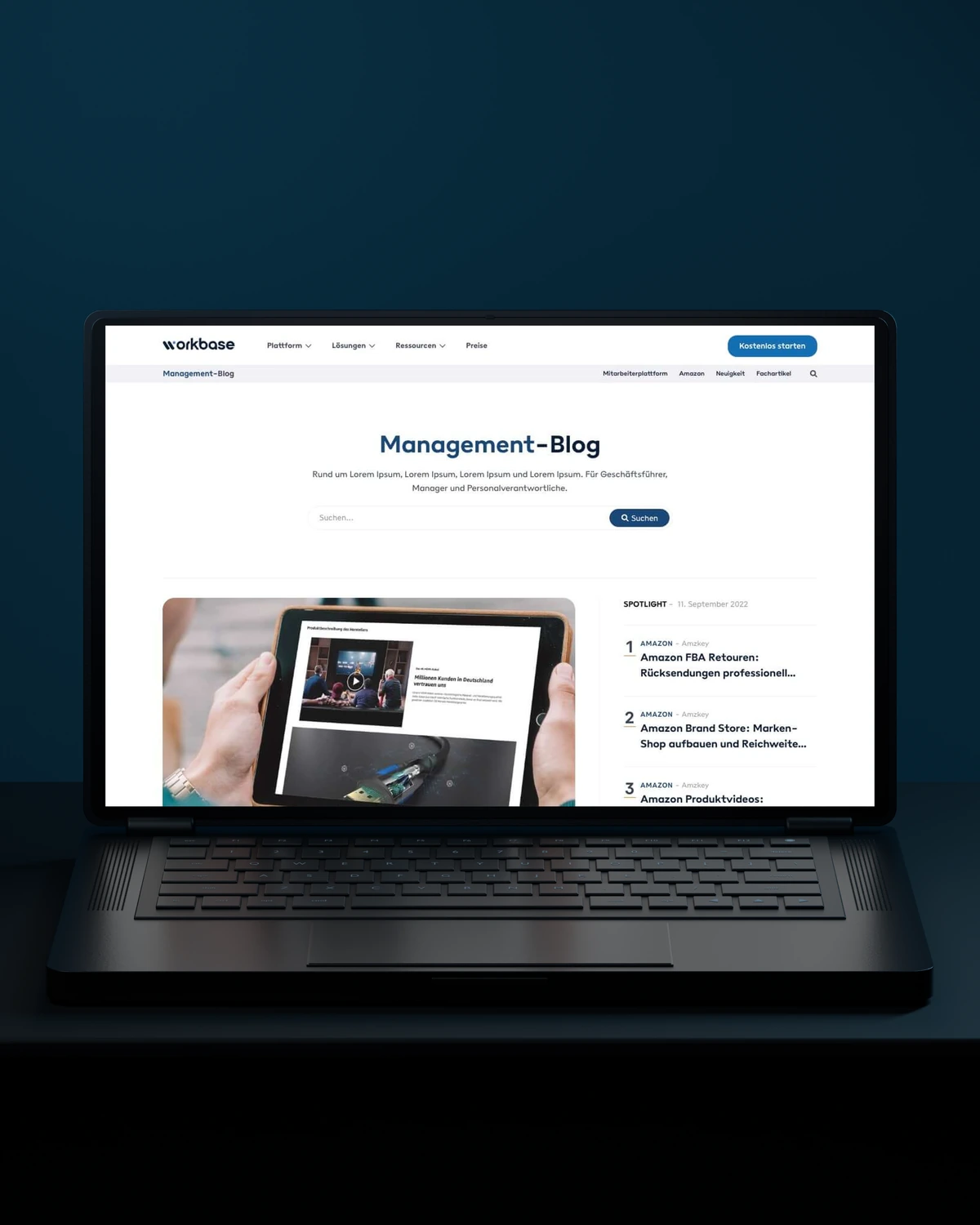
 Built to driveMore free sign-ups.

 Private Villas MexicoBuilt to driveMore direct bookings.

 Built to driveMore committed players.
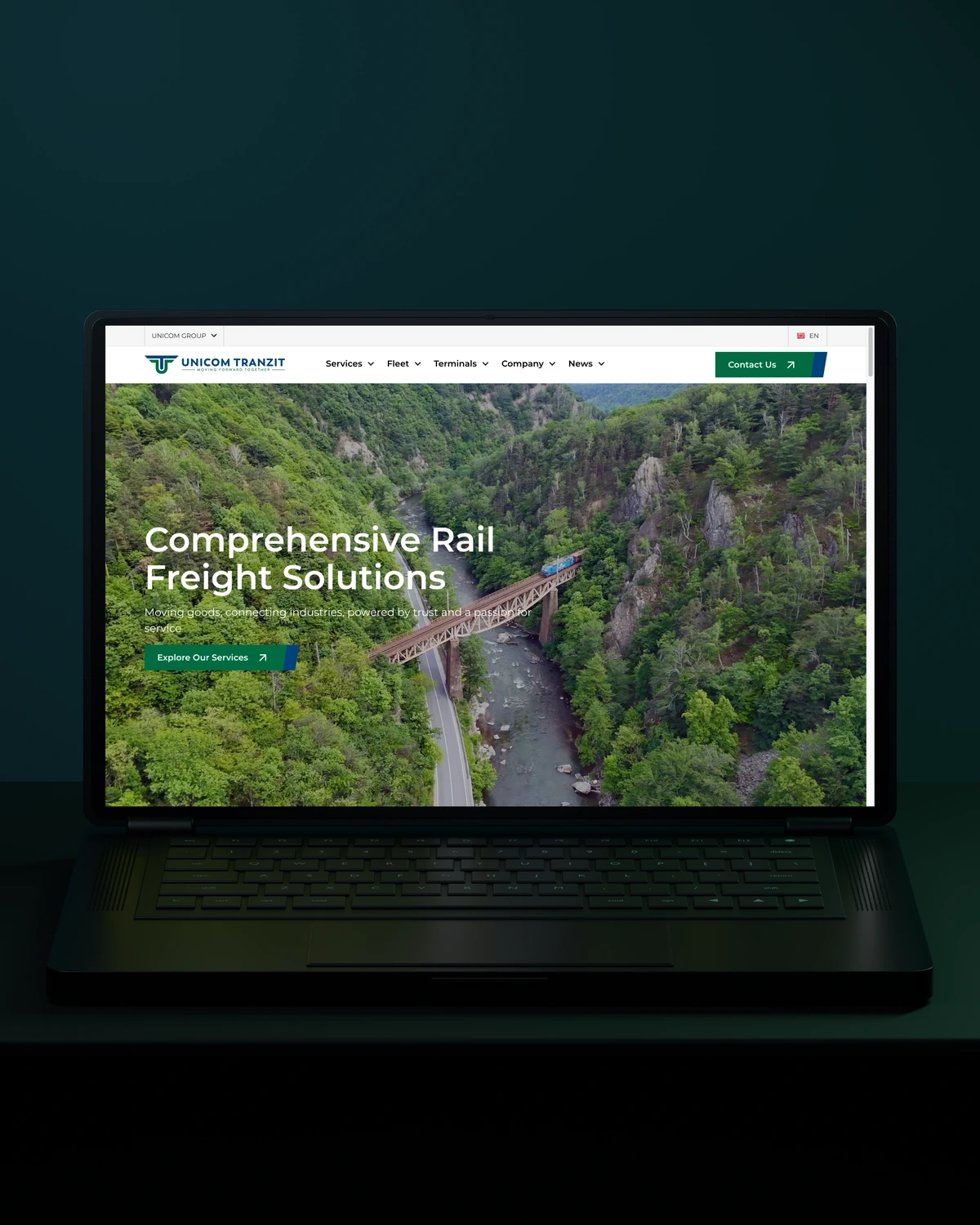


 Built to driveMore returning customers.

 Built to driveMore meaningful demos.
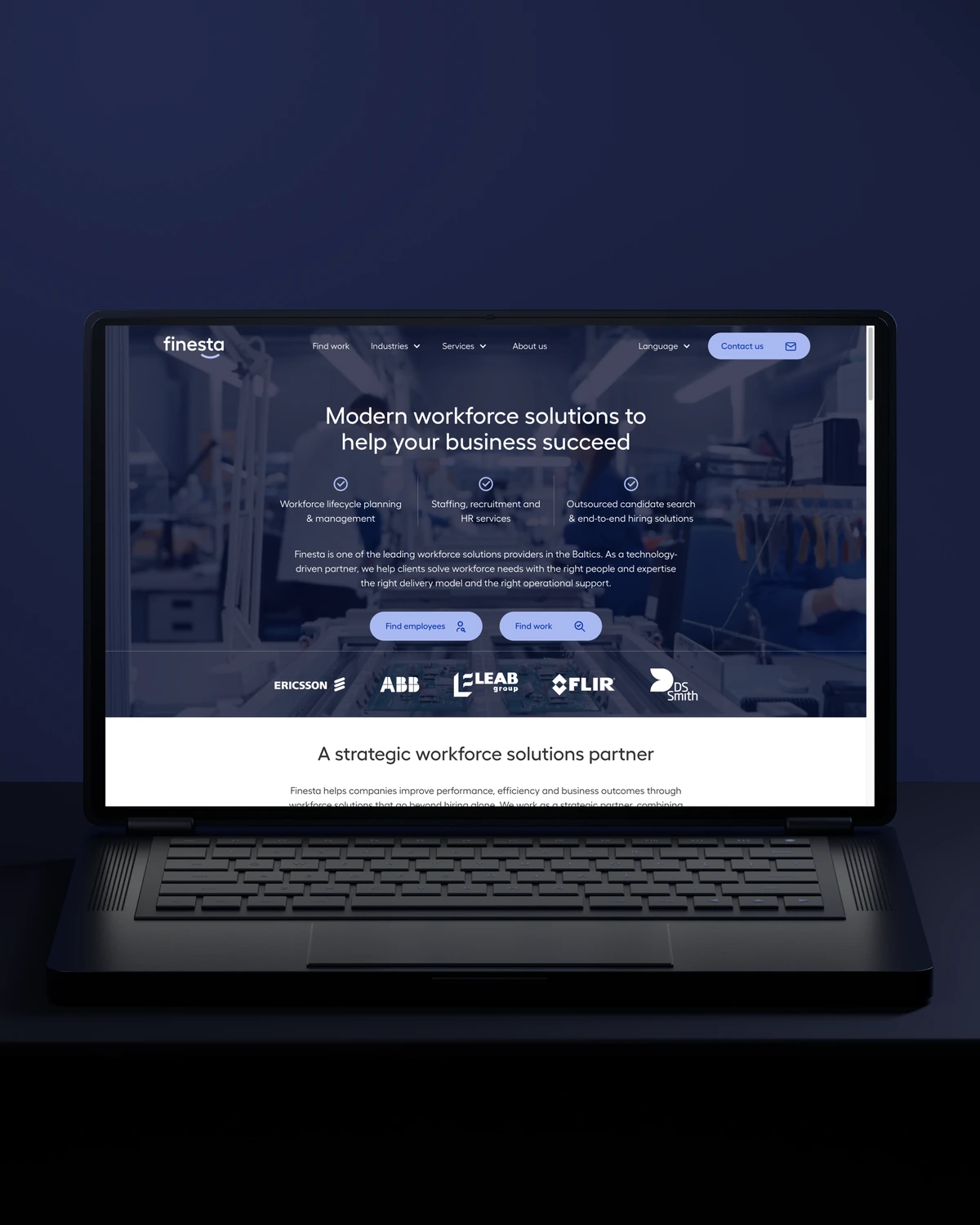
 Built to driveBetter talent connections.

 Built to driveMore course creators.
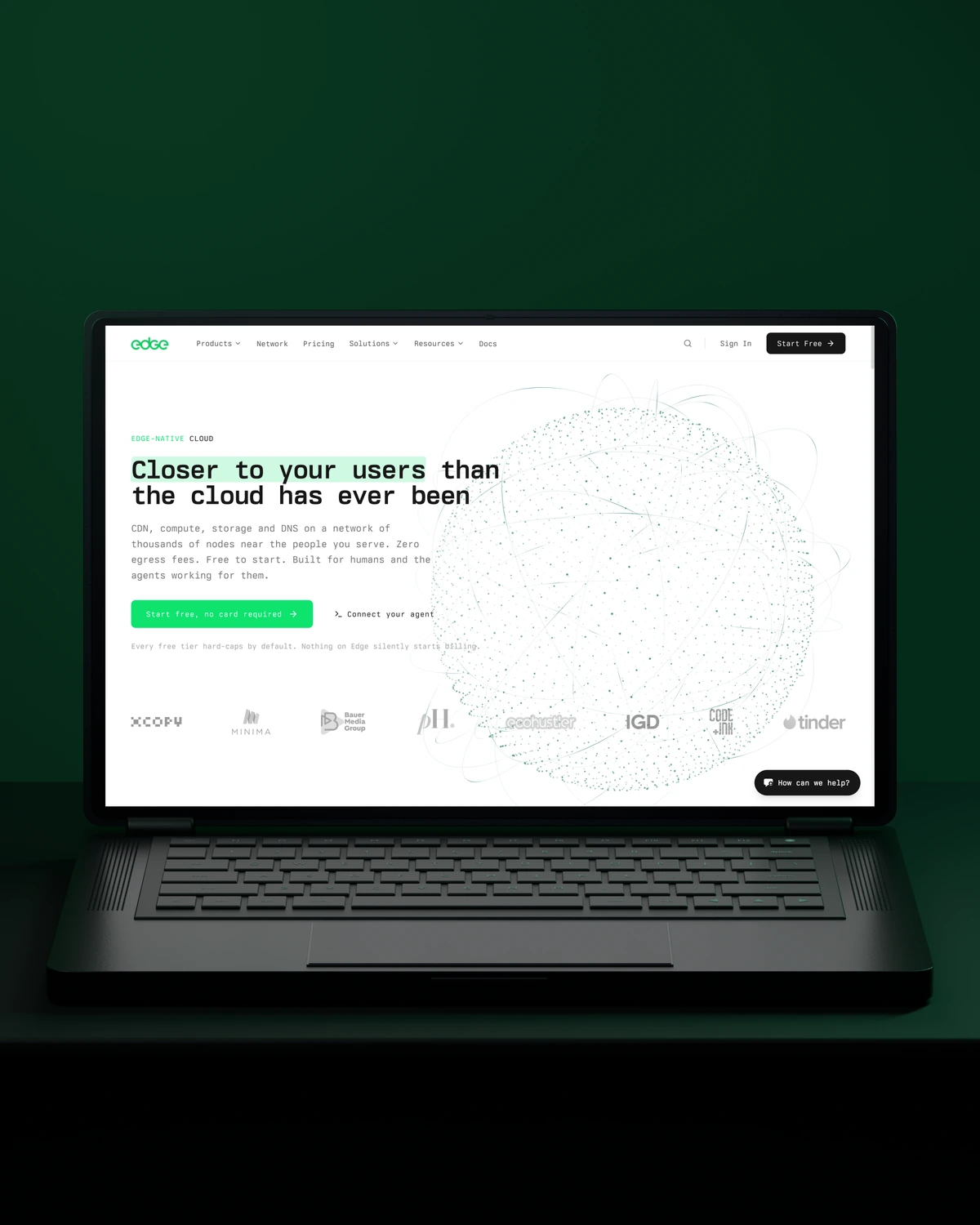
 Built to driveMore product discovery.
Trusted across our practice
Independent reviews. Long-term working relationships.


“We’ve been working with Stega & Gabriel for the last two years. Cannot recommend them enough. They’re responsive, professional & an asset.”
“After a website (re)launch, they are also always accessible and happy to help. I highly recommend everyone who is looking for a new and more stable website in Webflow, to work with Stega!”
“Stega Creative team not only understood our needs and vision for the websites, but they also came up with improvements.”
A few things worth discussing before your integration project takes shape.
Business process automation services replace manual, repetitive steps between systems with automated workflows. At Stega that means mapping the process, connecting CRMs, stores, finance and support tools through APIs, and adding error handling, alerts and documentation so the automation keeps working.
Backend automation is automation that runs behind the scenes between systems, rather than in front of customers. Examples include syncing orders to finance, creating CRM records from sign-ups and updating inventory across channels. Good backend automation also detects and reports its own failures.
Use Zapier, Make or native integrations for low-volume workflows that a non-developer should maintain. Use custom API integrations when volumes are high, logic is complex or failures are costly. Many businesses need both, and we recommend per workflow, not per company.
Cost depends on the number of systems, the quality of their APIs, data volumes and the error handling needed. We quote after mapping the process, because the hardest part is usually the exceptions.
A single connection between two well-documented APIs is quick. Legacy systems, poor documentation or data clean-up add time. We ship one working flow early so you see value before the full build.
API integrations can be maintained by your team, by Stega under an agreed support arrangement, or both. Each integration ships with documentation, logging and alerts, so whoever owns it can see what ran, what failed and why.
way.Your ambition. Our collective craft.
Strategy, design and technology, working as one.