






















Changes you can trace.
GitHub workflows, peer review and dependency checks bring decisions into the release process.


 4.9 / 5
We build the pipelines that bring web analytics, CRM and marketing data into Databricks, shaped into datasets your reporting team can use.
Selected work, in motion.
The digital products that generate the data.Where we fit
Your data team has Databricks. What it often lacks is clean data from the digital side: web events, form leads, campaign sources and CRM stages, each with different IDs. We build that layer. We map sources, design pipelines, match identities and deliver datasets your analysts trust. Lakehouse architecture and machine learning stay with your data platform team.
Databricks services
Five services focused on getting digital and marketing data into Databricks in usable shape.
Transformations, jobs and quality checks written, tested and monitored for the sources your website and marketing produce.
Source mapping, pipeline design and quality checks, so digital data lands complete and on schedule.
Event exports and identity mapping that connect website behaviour with CRM and marketing records.
Tables modelled around your business questions and validated against the definitions your team agreed.
Owners, access rules and quality monitoring documented for every flow we build.
We are a digital team that works with Databricks, not a lakehouse consultancy. That suits some projects and not others.
We work alongside your data platform team, and we will say when a simpler stack answers your questions.
Databricks is where the data meets. These are the digital sources we connect to it.
Every ecosystem, five ways in
Security, by consideration.
For your Databricks project, we consider data sources, workspace permissions, pipelines and downstream consumers as part of one connected build.
See our approachGitHub workflows, peer review and dependency checks bring decisions into the release process.
Certificate configuration, HTTPS and secure headers help protect the path between your users and your systems.
Scoped tool access, validated inputs and human approval where automated actions carry consequences.
We start from what the business needs to know, not from whatever the sources happen to hold.
Reporting needs, available sources and access agreed with the people who own them.
Dataset structure, identity rules, quality checks and owners agreed before we build.
We implement the pipelines and reconcile outputs against the source systems.
Documentation, monitoring and a backlog of gaps found in real reporting use.



 Built to driveMore sign-ups.


 Built to driveMore memberships.


 Built to driveBetter-qualified leads.
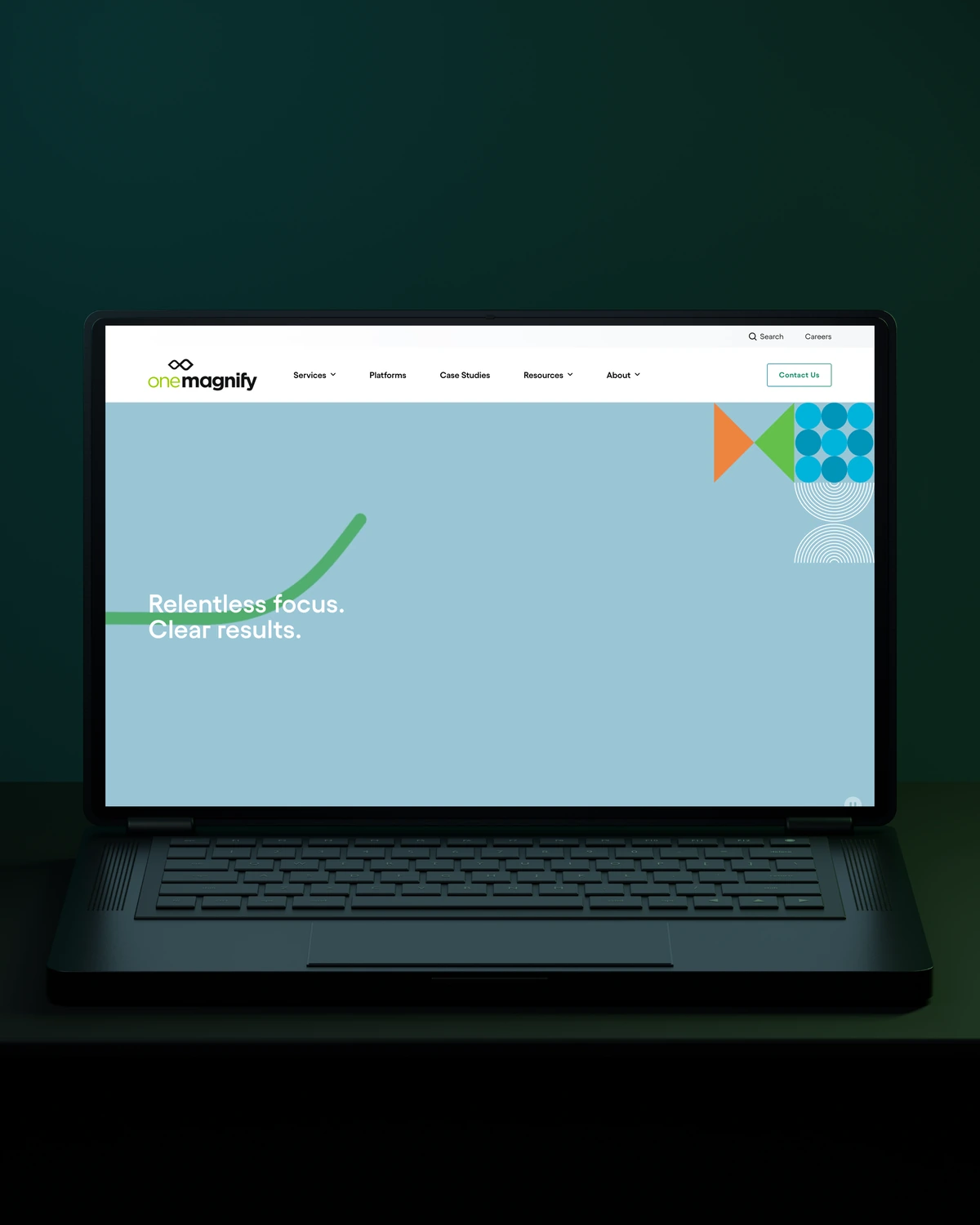
 Built to driveMore qualified candidates.



 Built to driveMore enquiries.

 Built to driveMore qualified demos.
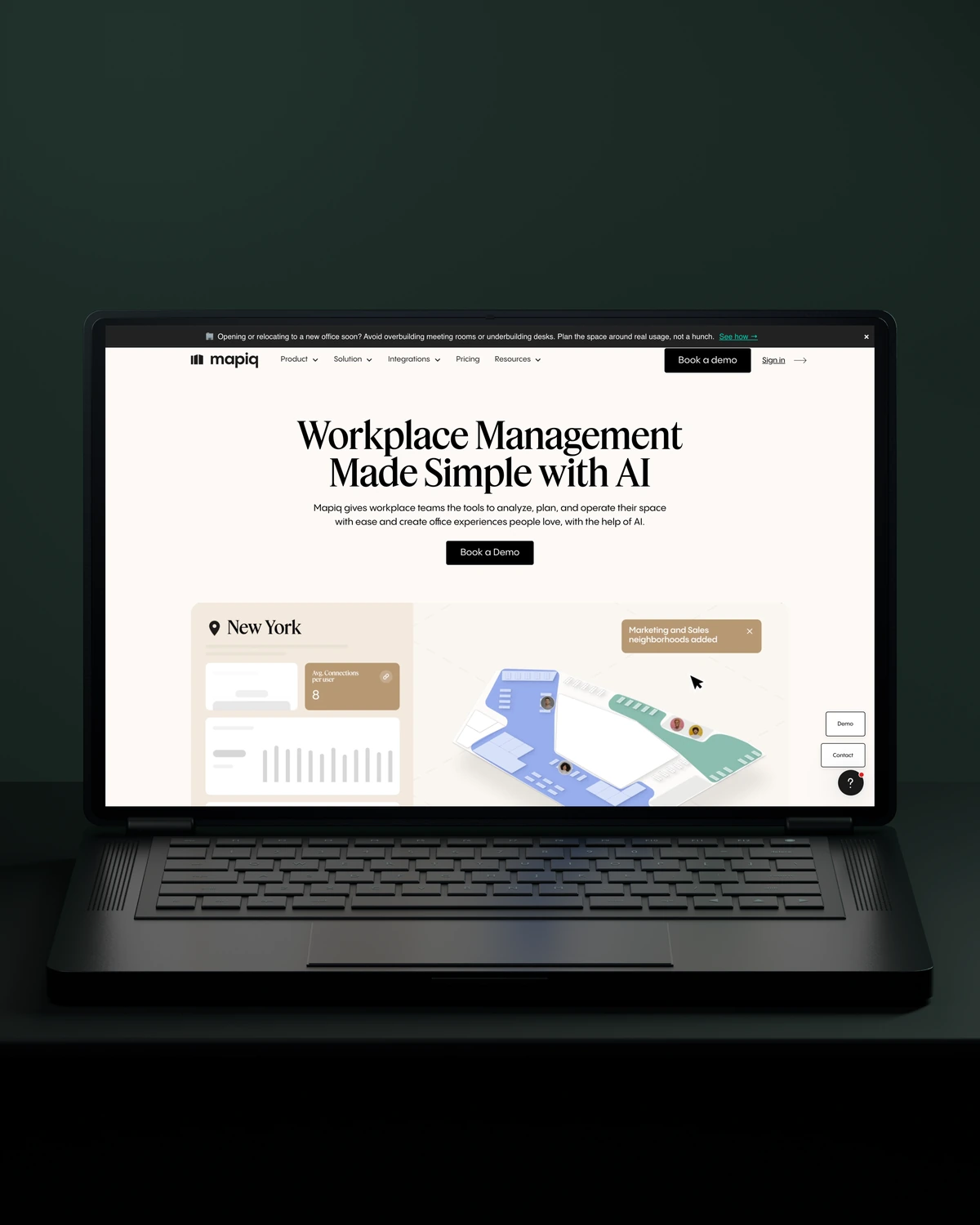
 Built to driveMore workplace demos.

 Built to driveMore business accounts.

 Built to driveMore free trials.

 Built to driveMore building owners.

 Built to driveMore free sign-ups.

 Private Villas MexicoBuilt to driveMore direct bookings.

 Built to driveMore committed players.
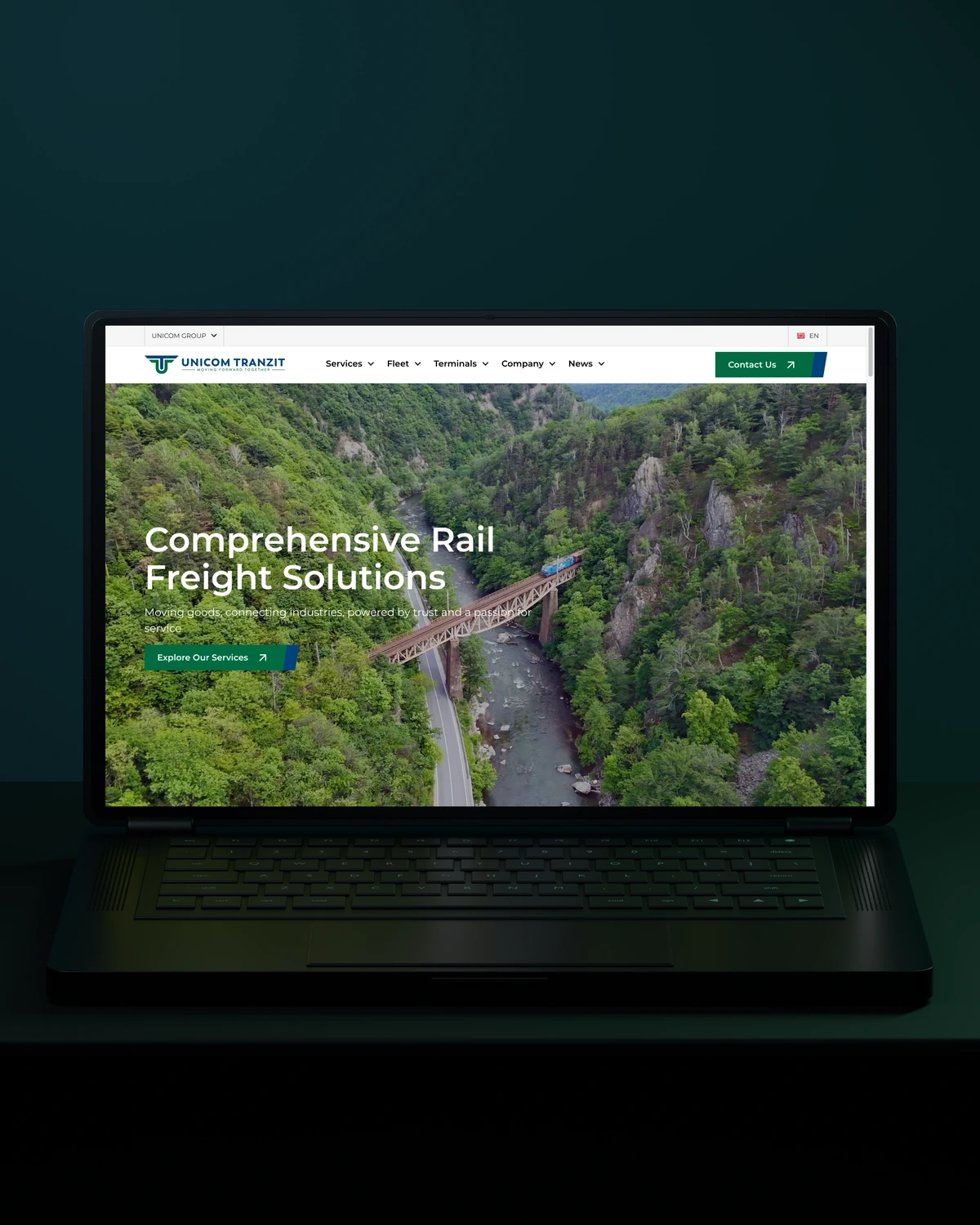


 Built to driveMore returning customers.

 Built to driveMore meaningful demos.
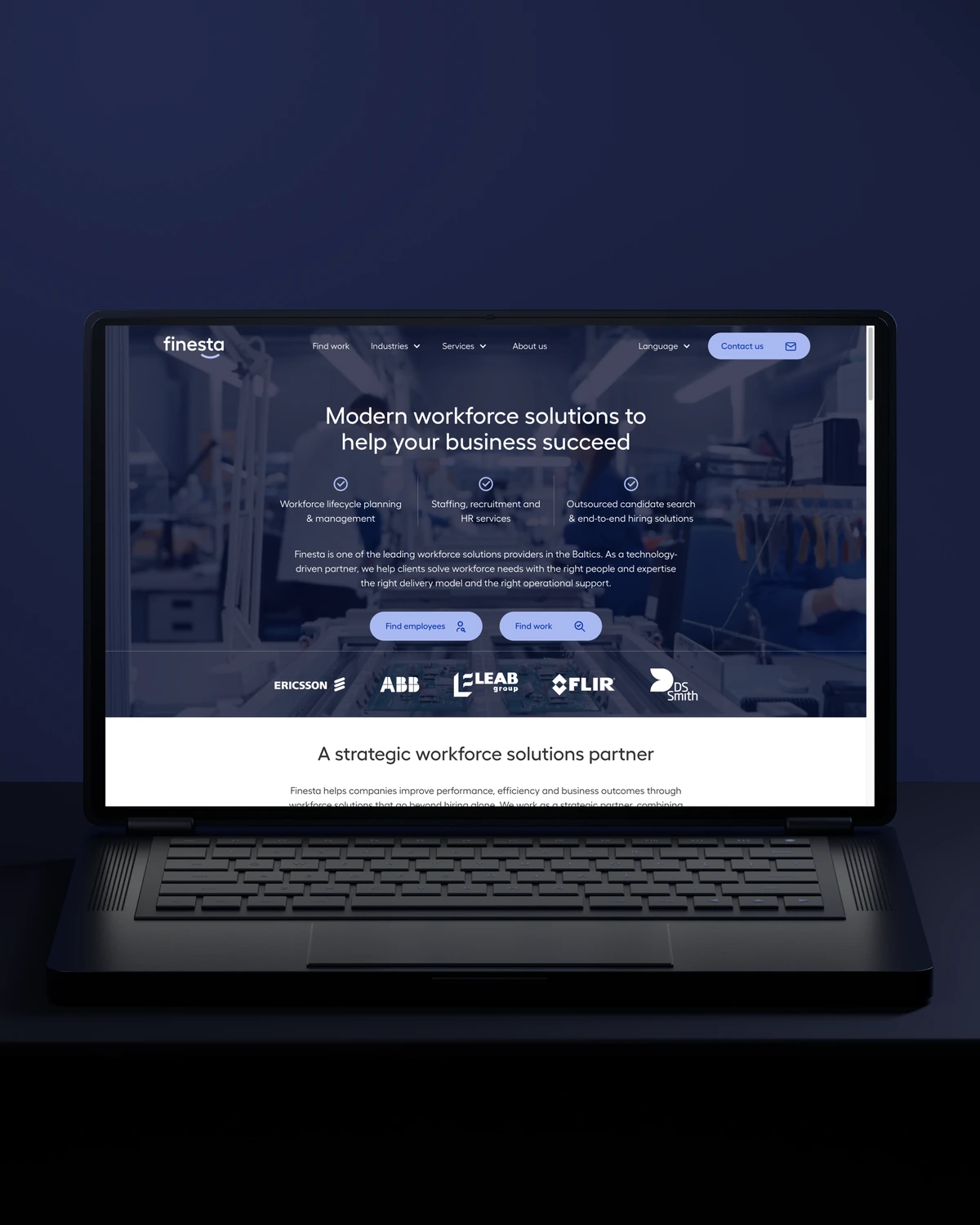
 Built to driveBetter talent connections.

 Built to driveMore course creators.
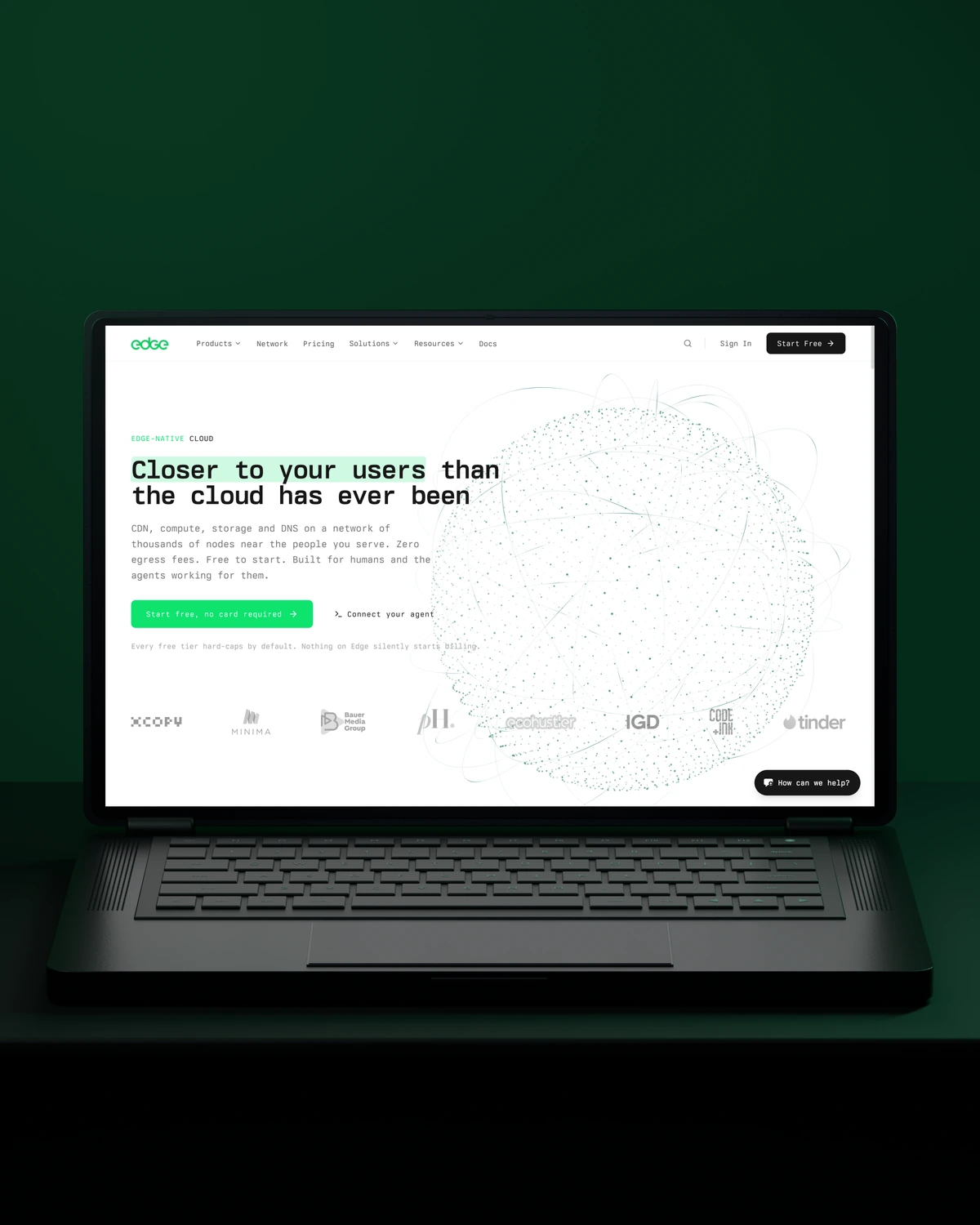
 Built to driveMore product discovery.
Trusted across our practice
Independent reviews. Long-term working relationships.


“We’ve been working with Stega & Gabriel for the last two years. Cannot recommend them enough. They’re responsive, professional & an asset.”
“Stega Creative team not only understood our needs and vision for the websites, but they also came up with improvements.”
“After a website (re)launch, they are also always accessible and happy to help. I highly recommend everyone who is looking for a new and more stable website in Webflow, to work with Stega!”
A few things worth discussing before your Databricks project takes shape.
Stega's Databricks consulting covers the digital side of your data. That means pipelines from website, product analytics, CRM and marketing tools, plus identity matching, reporting datasets and ownership rules. Lakehouse platform design, machine learning and enterprise data strategy stay with your data team or a specialist partner.
Website analytics data reaches Databricks through batch exports or pipelines from tools like PostHog and GA4, or from server-side tracking. We land raw events, clean and model them into tables, then join them with CRM and campaign data using agreed identity rules.
The cost depends on the number of sources, data volumes, identity matching complexity and reporting outputs. Databricks compute is billed by Databricks separately. You get a fixed scope after the source audit.
Later sources move faster once identity rules and quality checks exist. We agree the order of sources by reporting value.
Marketing data can be joined with CRM revenue in Databricks when both share a reliable identifier or matching rule. We match sessions, form leads and campaign sources to CRM contacts and deals, document the rules and flag records that cannot be matched.
Databricks makes sense when you already use it or hold large, varied data across many systems. A team that only needs marketing and product reports is often better served by PostHog, GA4 and a CRM dashboard. We recommend the smallest stack that answers your questions.
way.Your ambition. Our collective craft.
Strategy, design and technology, working as one.