

















Instrument events in code
Capture calls go through a typed helper with shared property names, so web, backend and mobile report the same event the same way.


 4.9 / 5
PostHog developers who write the tracking, feature flag and experiment code inside your app, across web, backend and mobile.
Selected work, in motion.
The experiences behind the journeys teams measure.PostHog installs in minutes. The code that makes its events and flags dependable takes real engineering.
What's included
We work in your repository, through your review process, and leave code your engineers are happy to maintain.
Capture calls go through a typed helper with shared property names, so web, backend and mobile report the same event the same way.
Flags evaluated server-side or bootstrapped into the first render, so gated features appear without flicker and roll out by cohort or percentage.
Each variant sits behind a multivariate flag, with the goal metric set in PostHog and exposure logged before any result counts.
Every event and flag is checked in a preview environment against the tracking plan, then again in production after the release.
Security, by consideration.
For your PostHog project, we consider event collection, personal data, workspace access and ingestion endpoints as part of one connected build.
See our approachGitHub workflows, peer review and dependency checks bring decisions into the release process.
Certificate configuration, HTTPS and secure headers help protect the path between your users and your systems.
Scoped tool access, validated inputs and human approval where automated actions carry consequences.
You see every change as a pull request before it merges.
We review your stack, existing PostHog calls and release process, then agree what to instrument first.
Events, flags and variants go in as small pull requests your team reviews and merges.
We check live data against the plan, then document how to add the next event or flag.
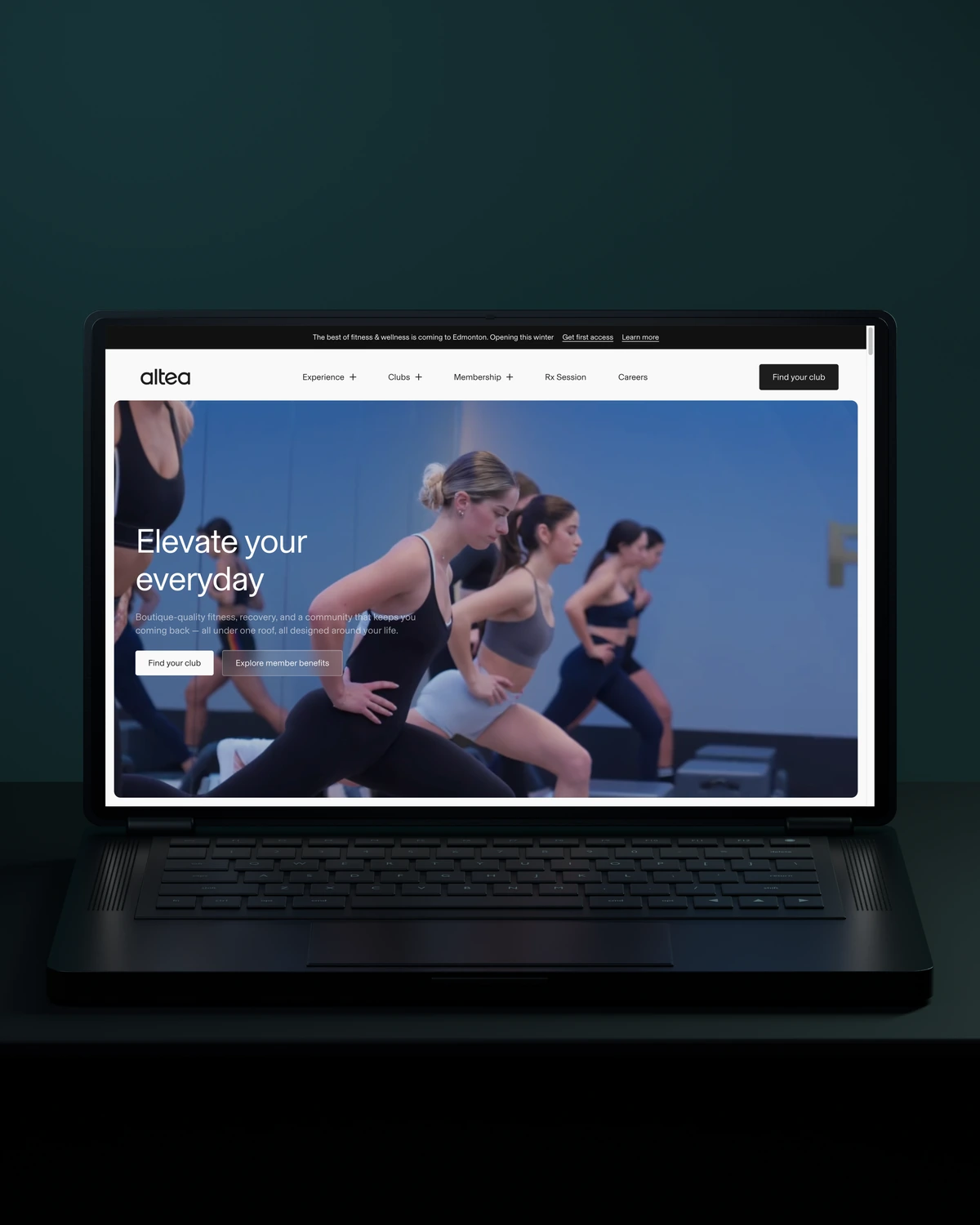


 Built to driveMore memberships.
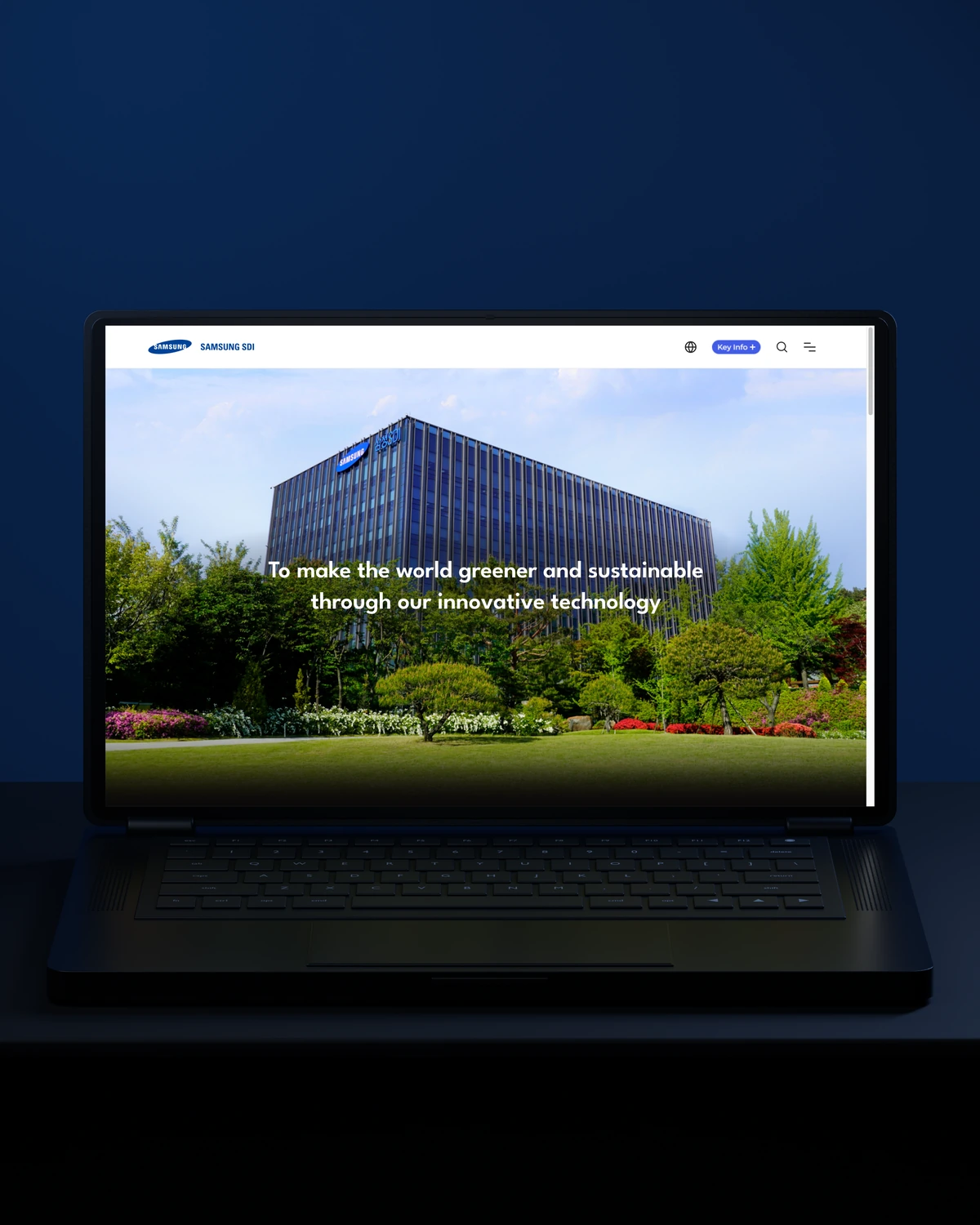

 Built to driveBetter-qualified leads.
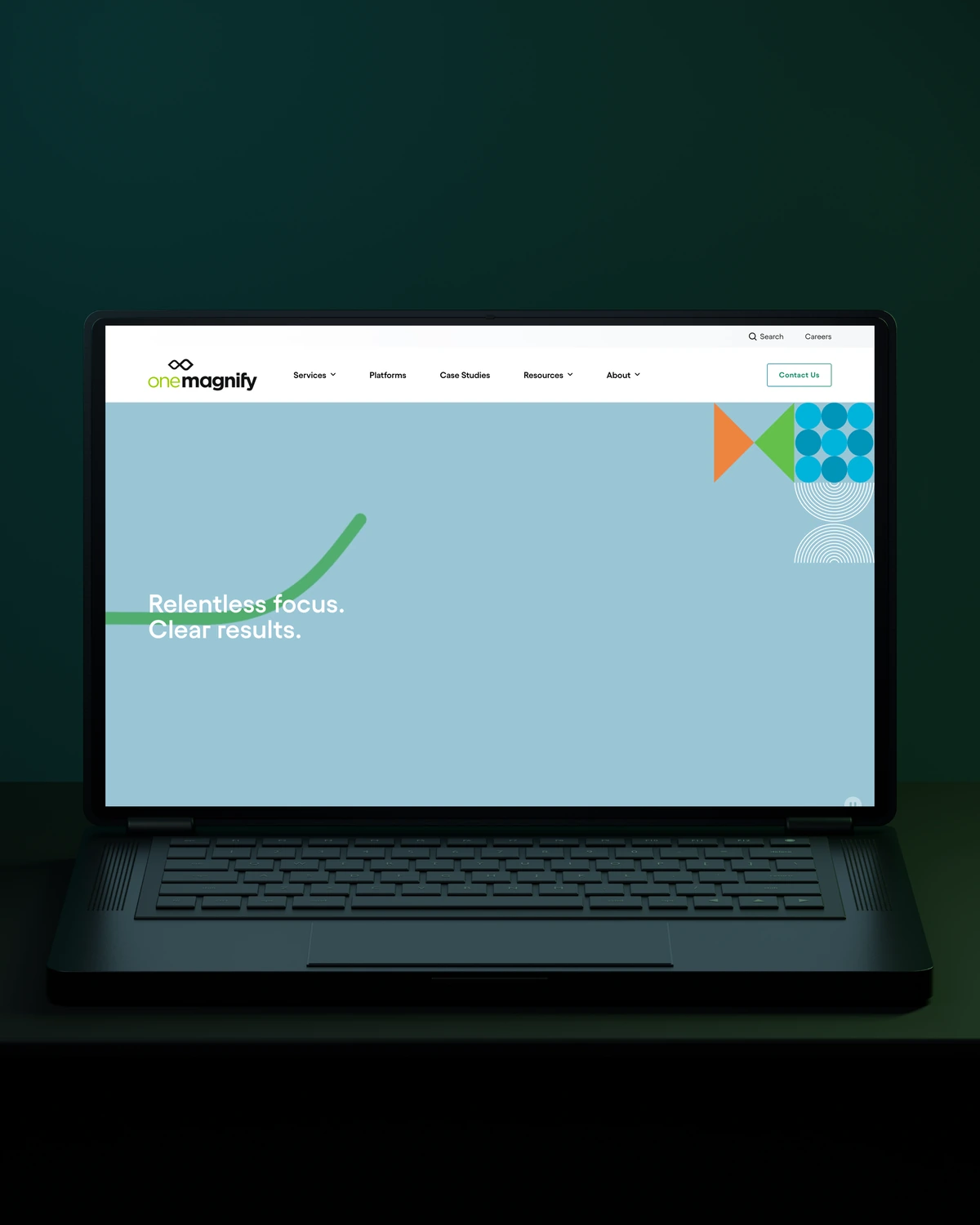
 Built to driveMore qualified candidates.



 Built to driveMore enquiries.
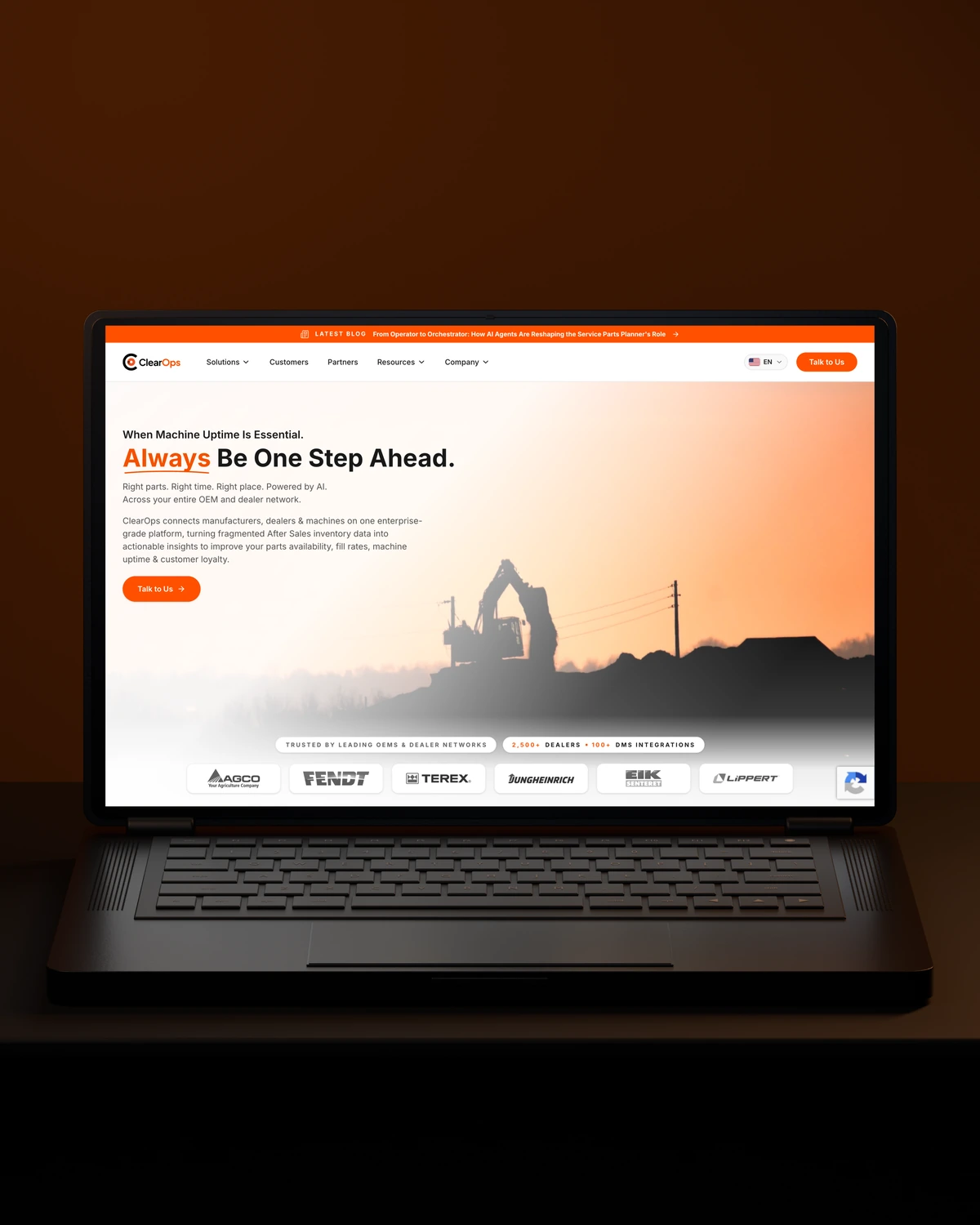
 Built to driveMore qualified demos.
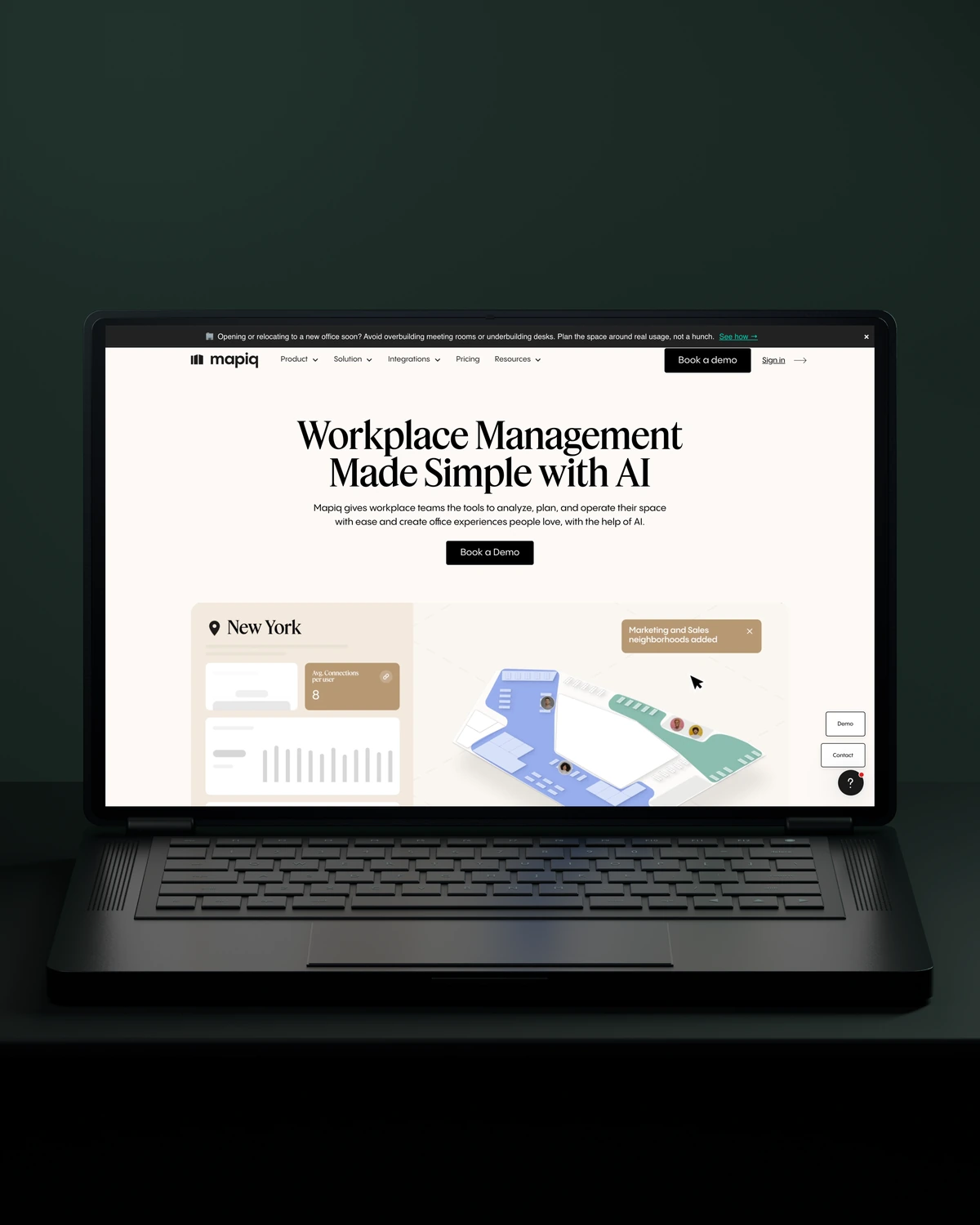
 Built to driveMore workplace demos.
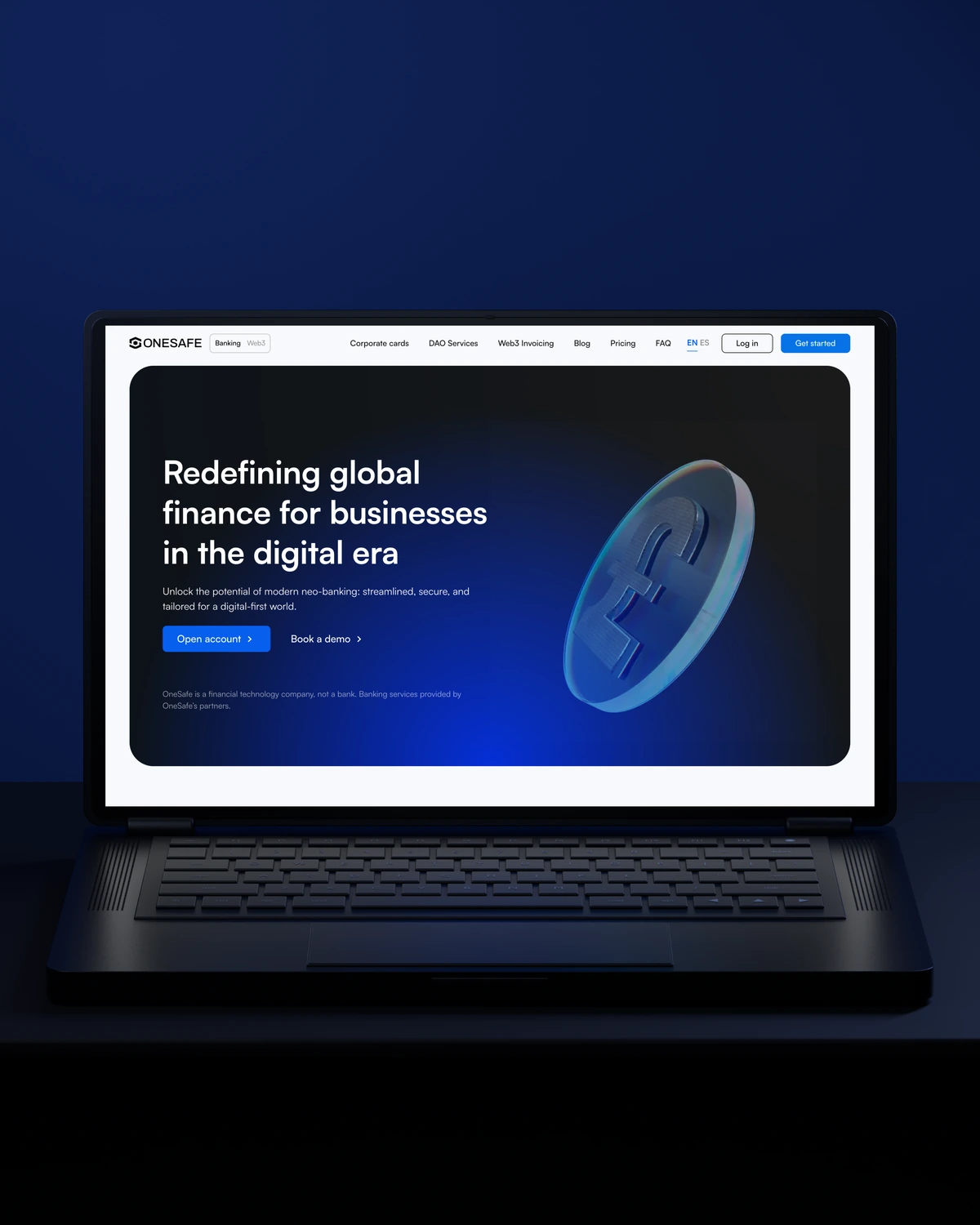
 Built to driveMore business accounts.
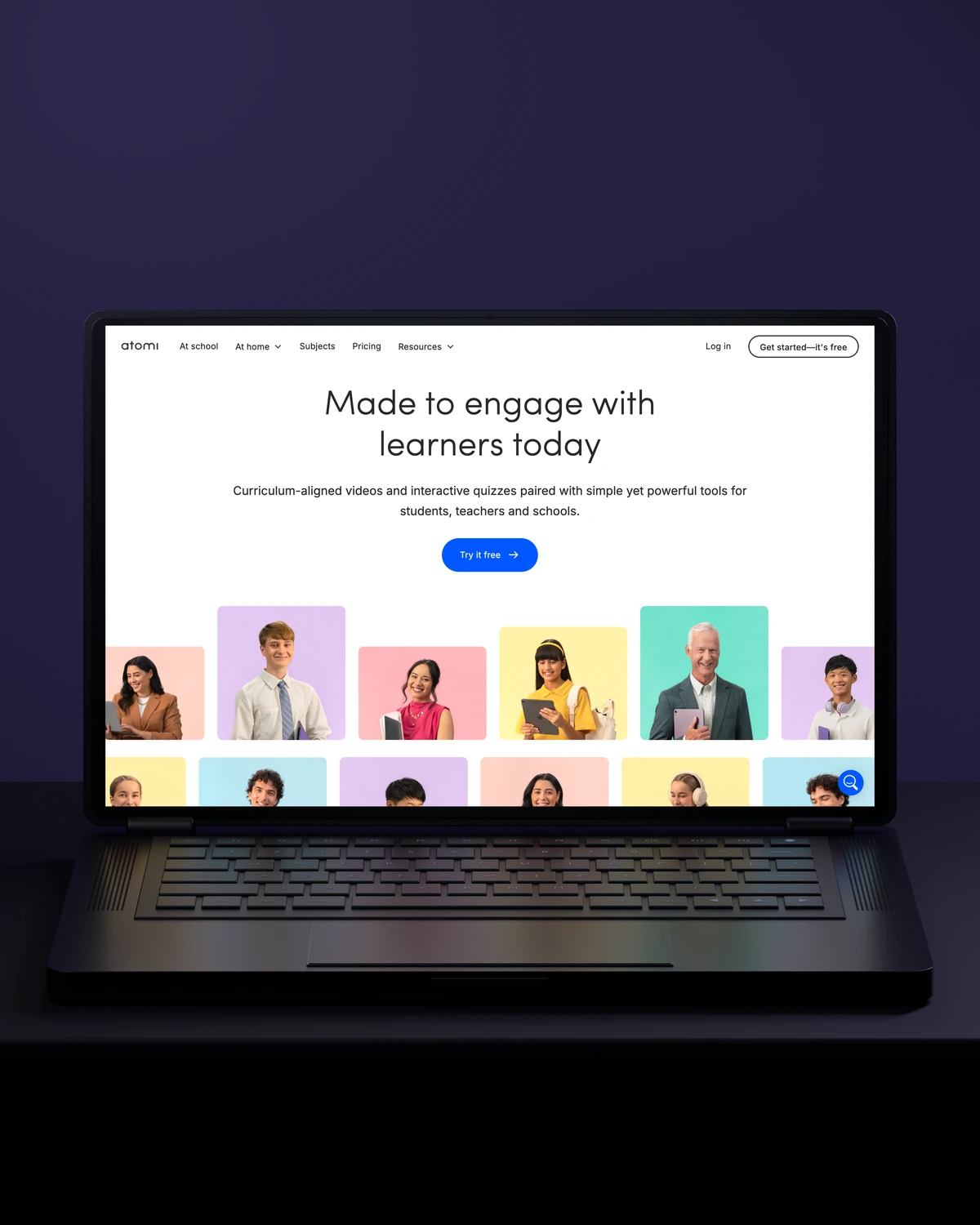
 Built to driveMore free trials.

 Built to driveMore building owners.
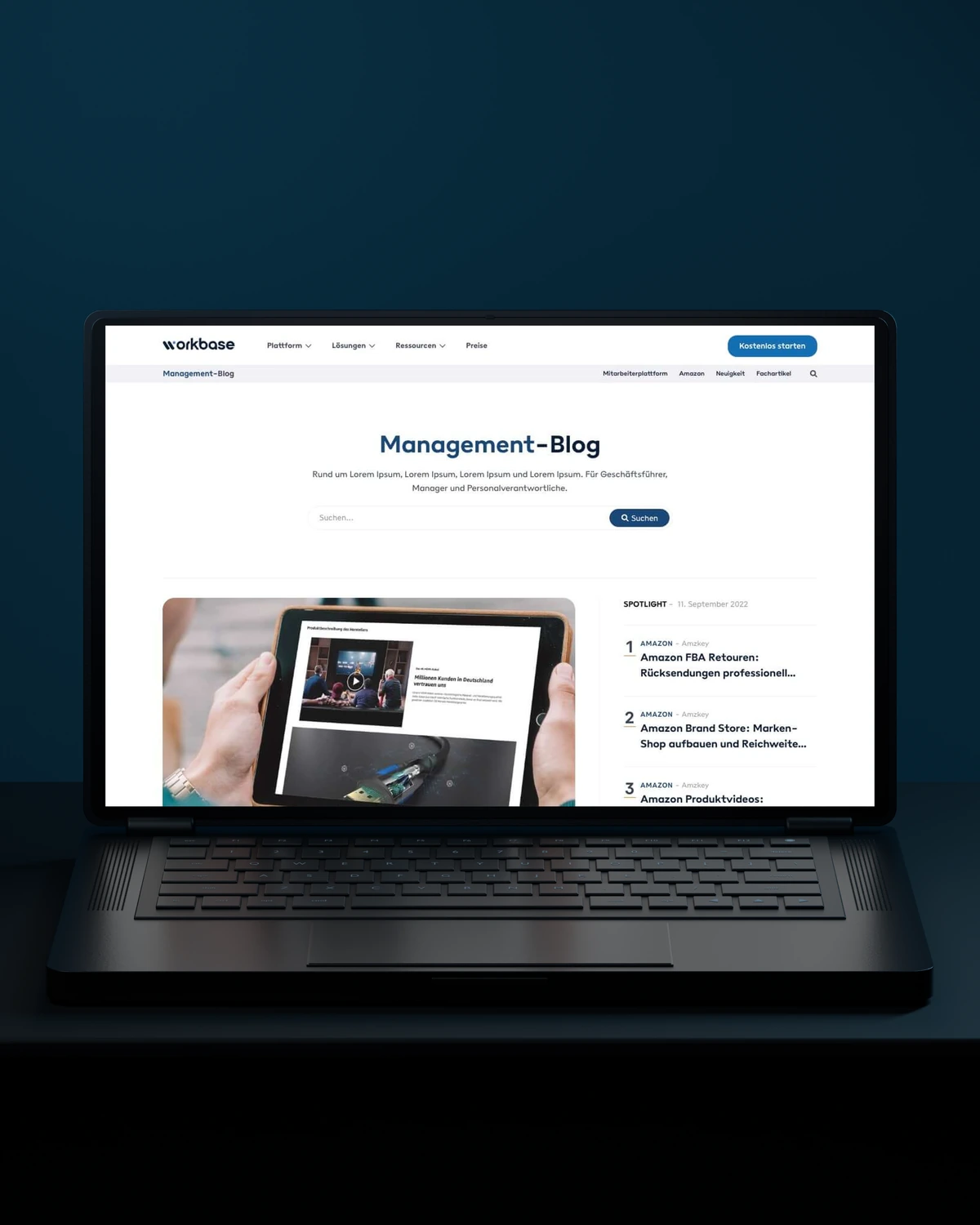
 Built to driveMore free sign-ups.
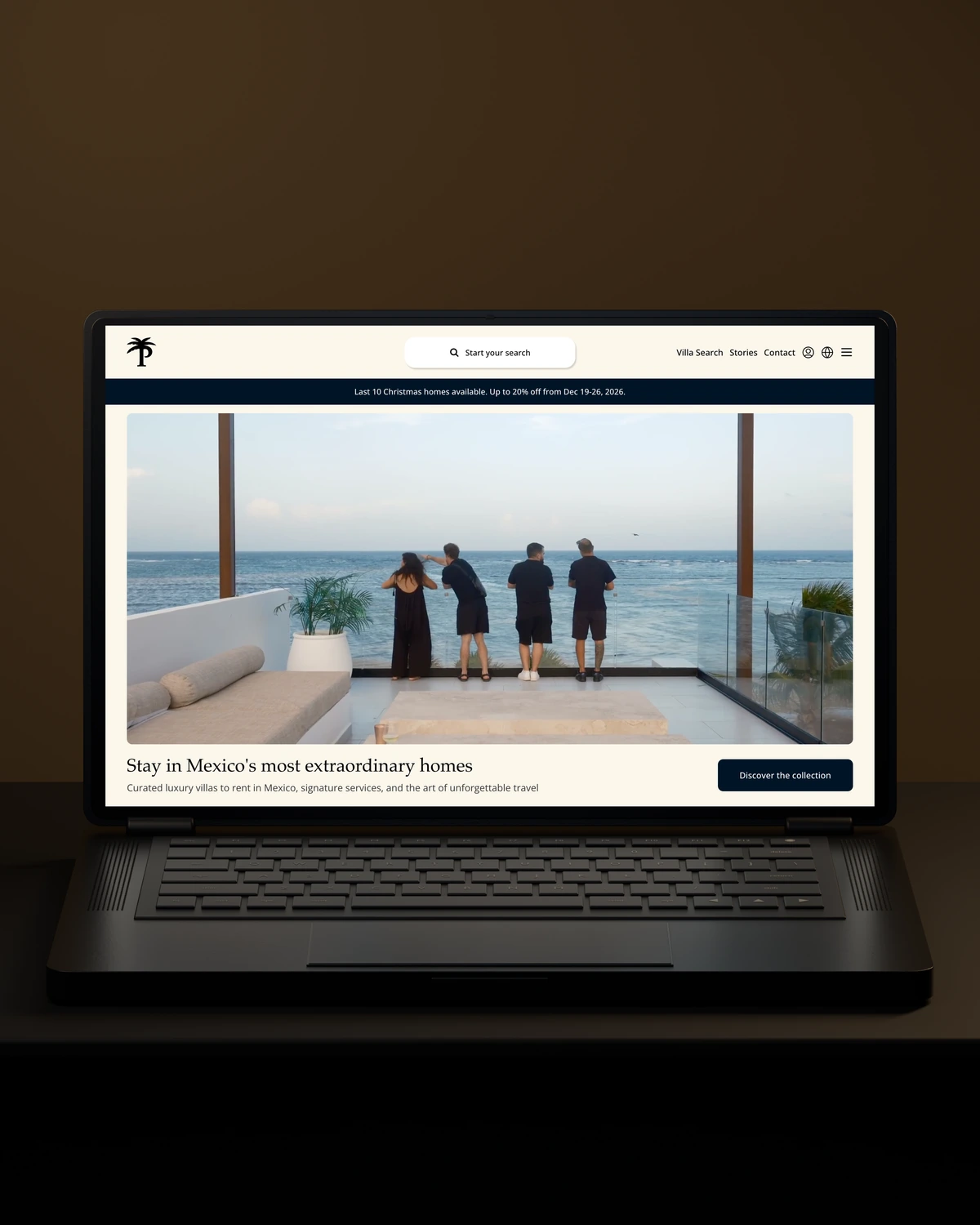
 Private Villas Mexico
 Built to driveMore direct bookings.
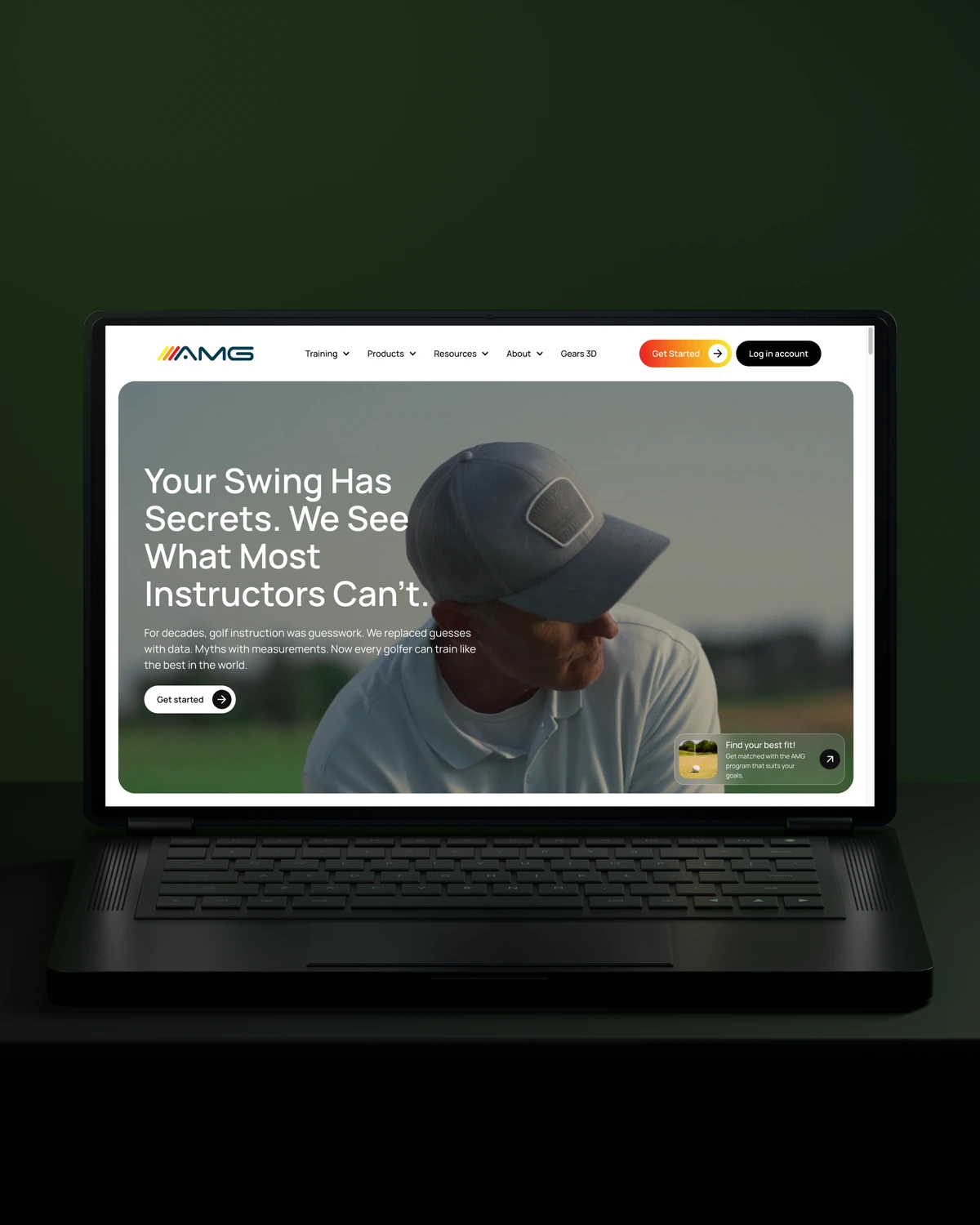
 Built to driveMore committed players.


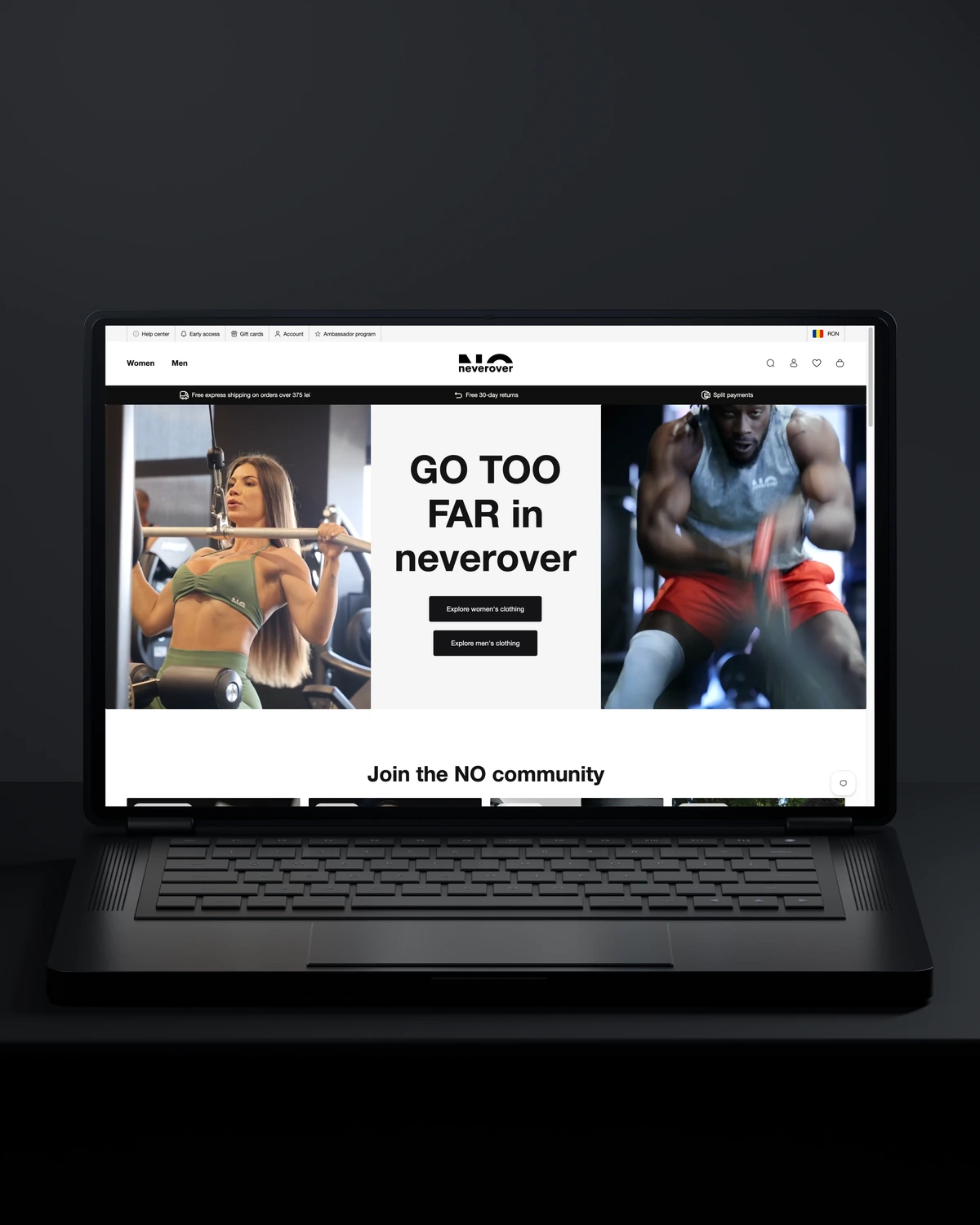
 Built to driveMore returning customers.
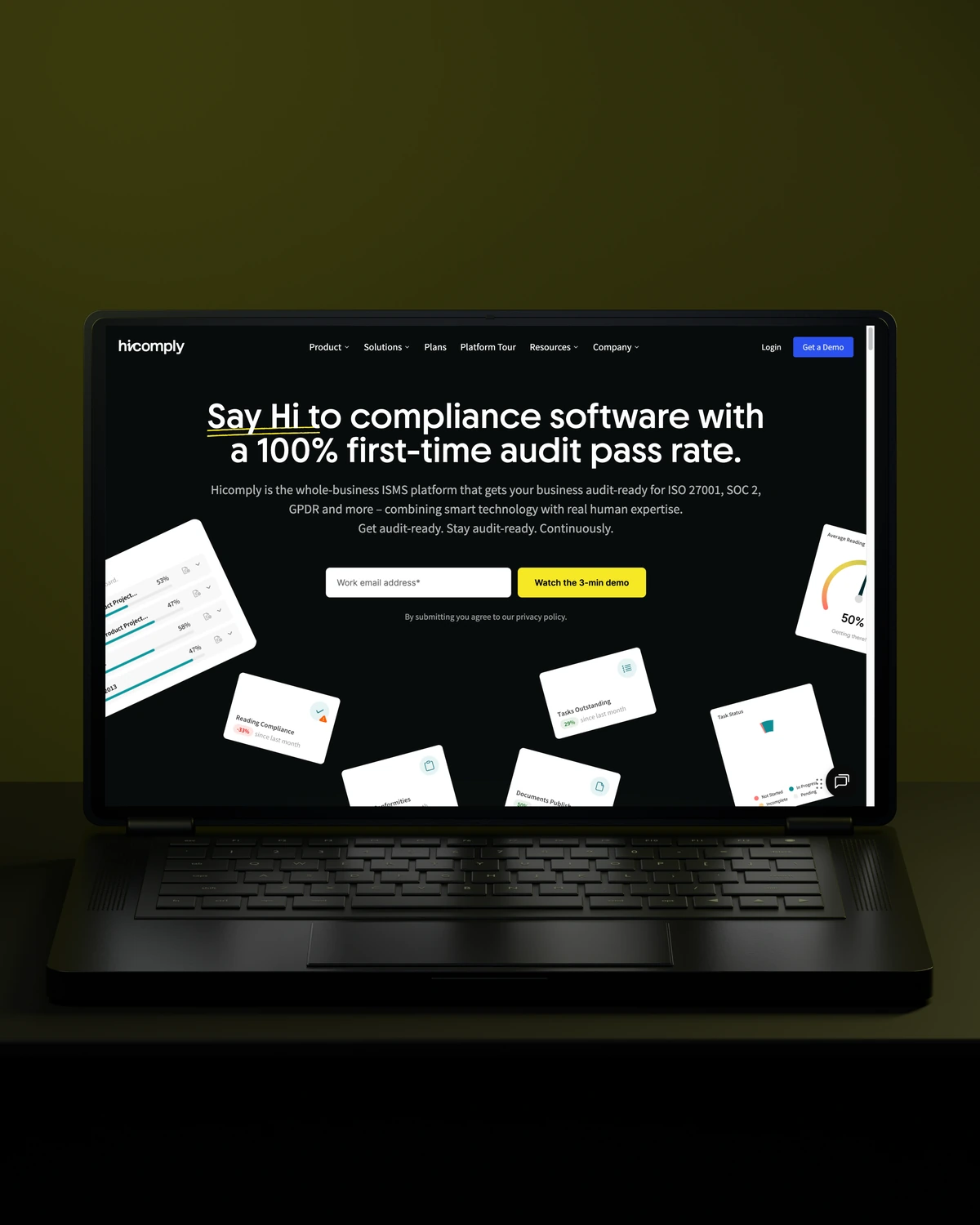
 Built to driveMore meaningful demos.
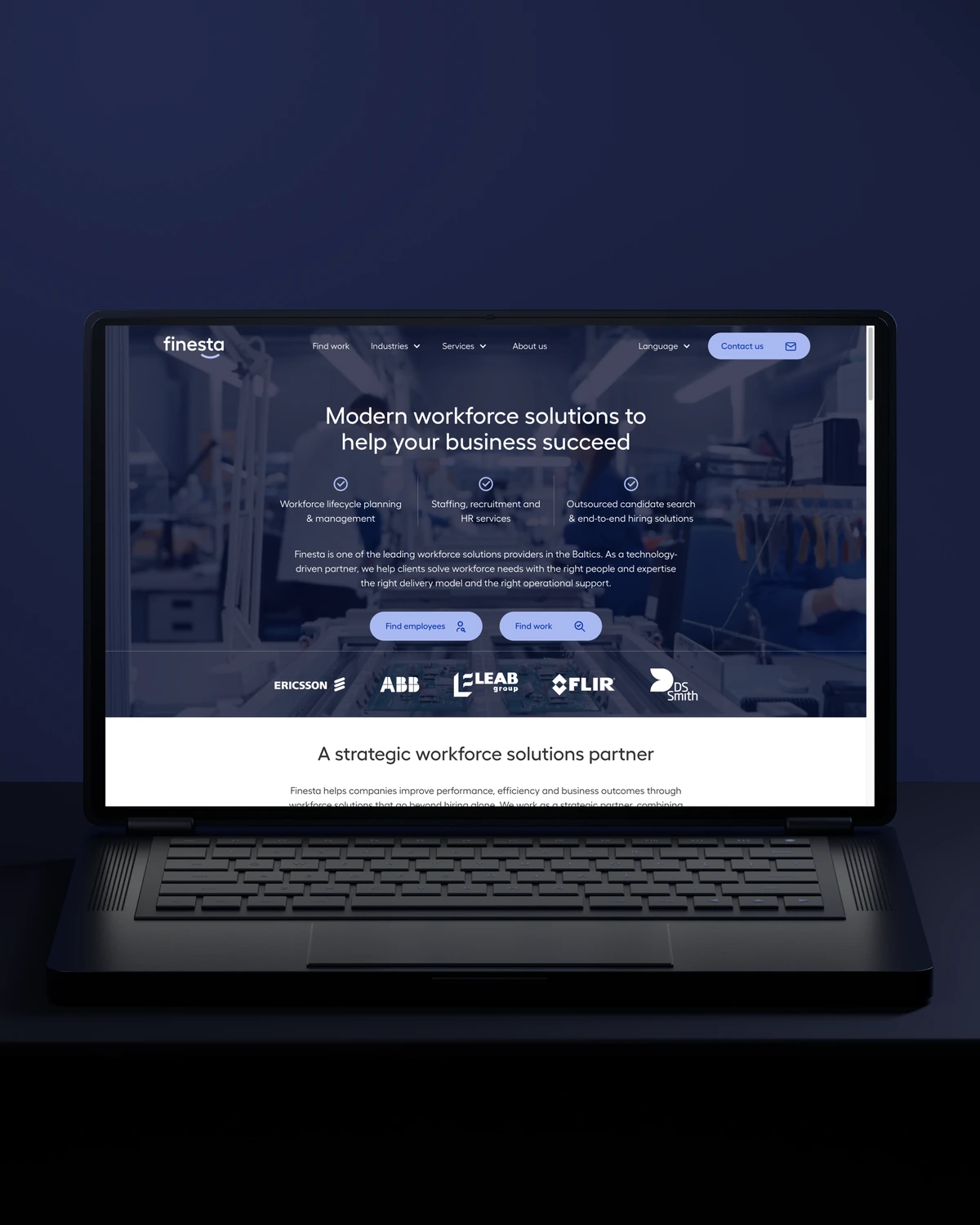
 Built to driveBetter talent connections.

 Built to driveMore course creators.
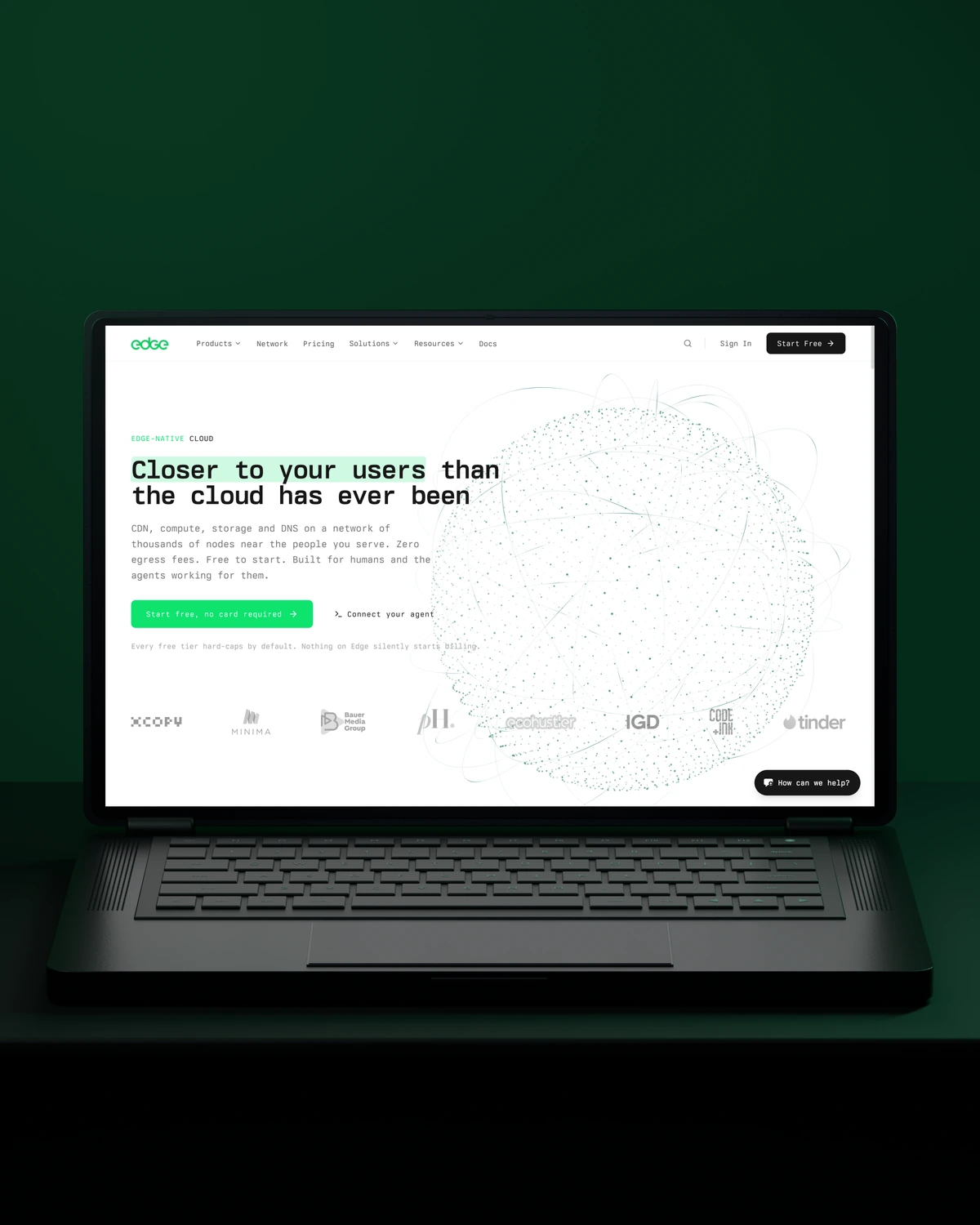
 Built to driveMore product discovery.
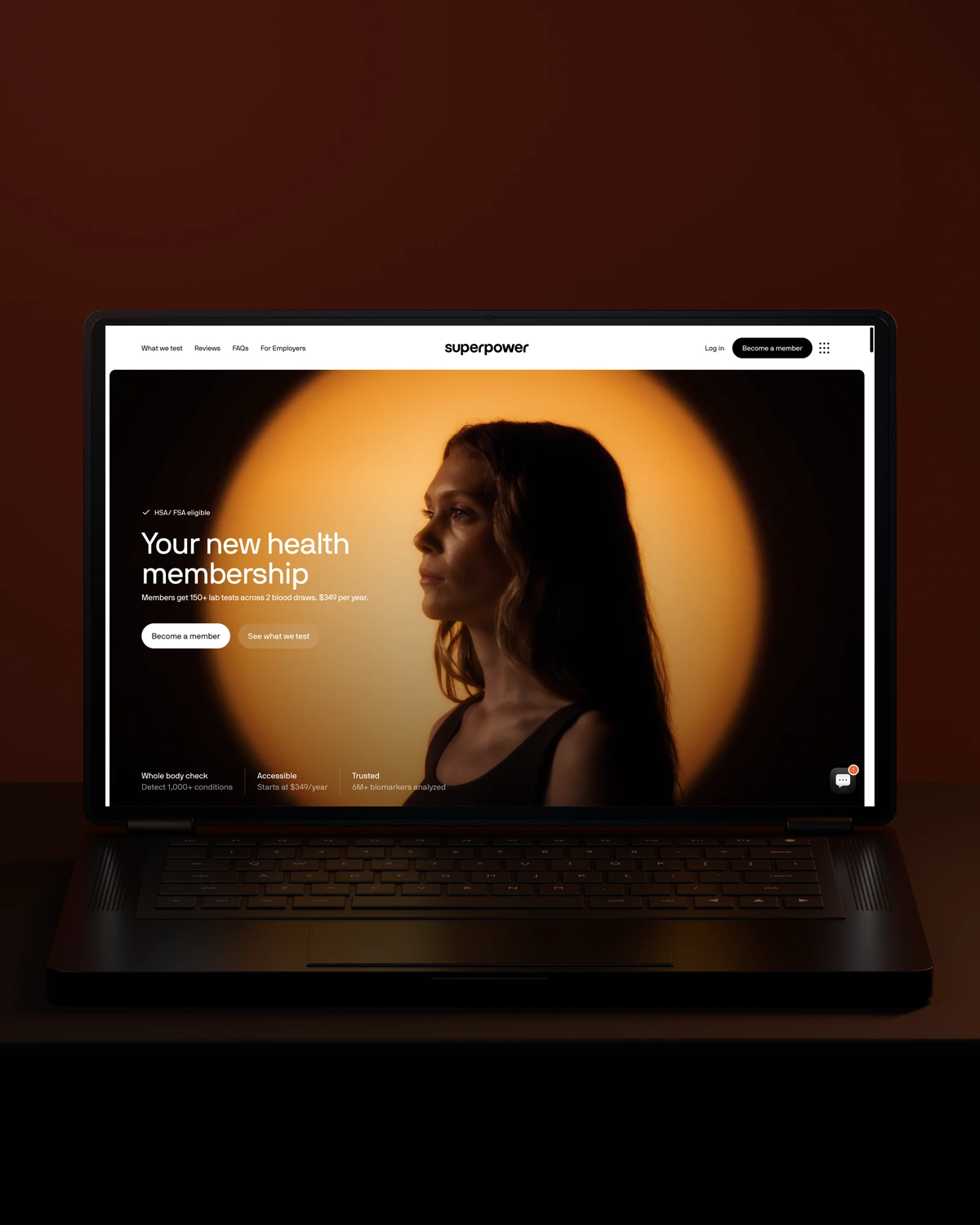
 Built to driveMore sign-ups.
Trusted across our practice
Independent reviews. Long-term working relationships.


“After a website (re)launch, they are also always accessible and happy to help. I highly recommend everyone who is looking for a new and more stable website in Webflow, to work with Stega!”
“We’ve been working with Stega & Gabriel for the last two years. Cannot recommend them enough. They’re responsive, professional & an asset.”
“Stega Creative team not only understood our needs and vision for the websites, but they also came up with improvements.”
A few things worth discussing before your PostHog development takes shape.
You need a developer to wire PostHog feature flags into your code, though not to create them. Flags are defined in the PostHog dashboard, but your app has to read them. Server-side evaluation and bootstrapping also take engineering work if pages must render without flicker.
PostHog feature flags stop flickering when the flag value is known before the page renders. We evaluate flags on the server with local evaluation, or bootstrap the values into the client on first load. Visitors see the right variant straight away instead of a swap after the script loads.
PostHog tracks backend events through server SDKs for Node, Python, Ruby, Go, PHP and more. We send events such as subscription started or invoice paid from the server, where ad blockers cannot drop them, and tie them to the same person as their browser events.
The price depends on how many platforms need instrumenting, how many flags and experiments are in scope and whether your codebase already has a tracking layer. You get a fixed scope after a short code review.
way.Your ambition. Our collective craft.
Strategy, design and technology, working as one.