









Students, parents and teachers, each with a clear route to a free trial.
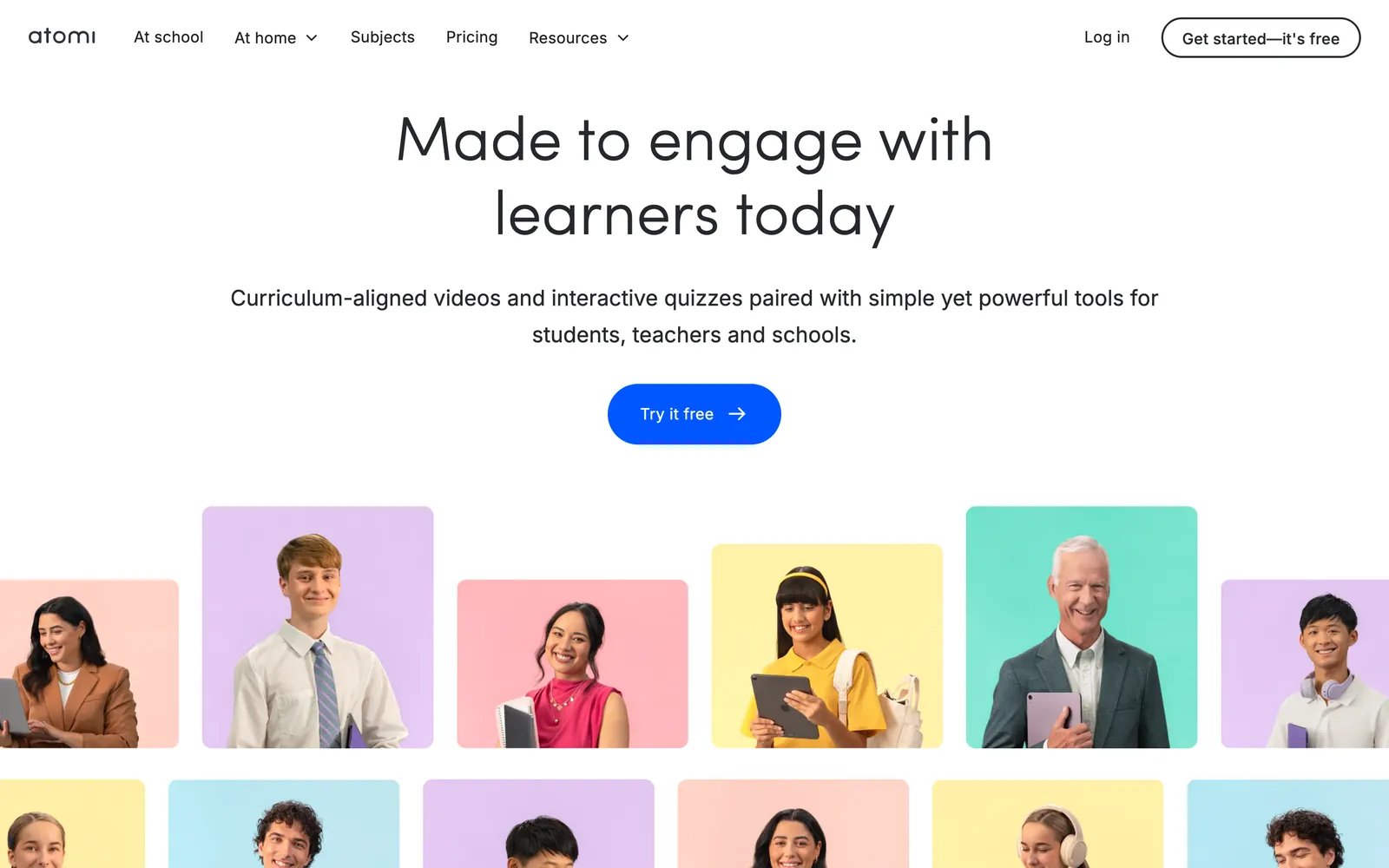
Three audiences come to Atomi for different reasons. We designed and built a Webflow site that speaks to each of them, with custom API work and server-side JavaScript behind it and a multilingual setup for its regional versions.
- Client
- Atomi
- Sector
- Education technology
- What we did
- Web design, Webflow development, API development, Multilingual setup, Technical SEO, Advanced interactions
- Built to drive
- More free trials.
- Live site
- getatomi.com
The problem
Three audiences need different answers from the same site.
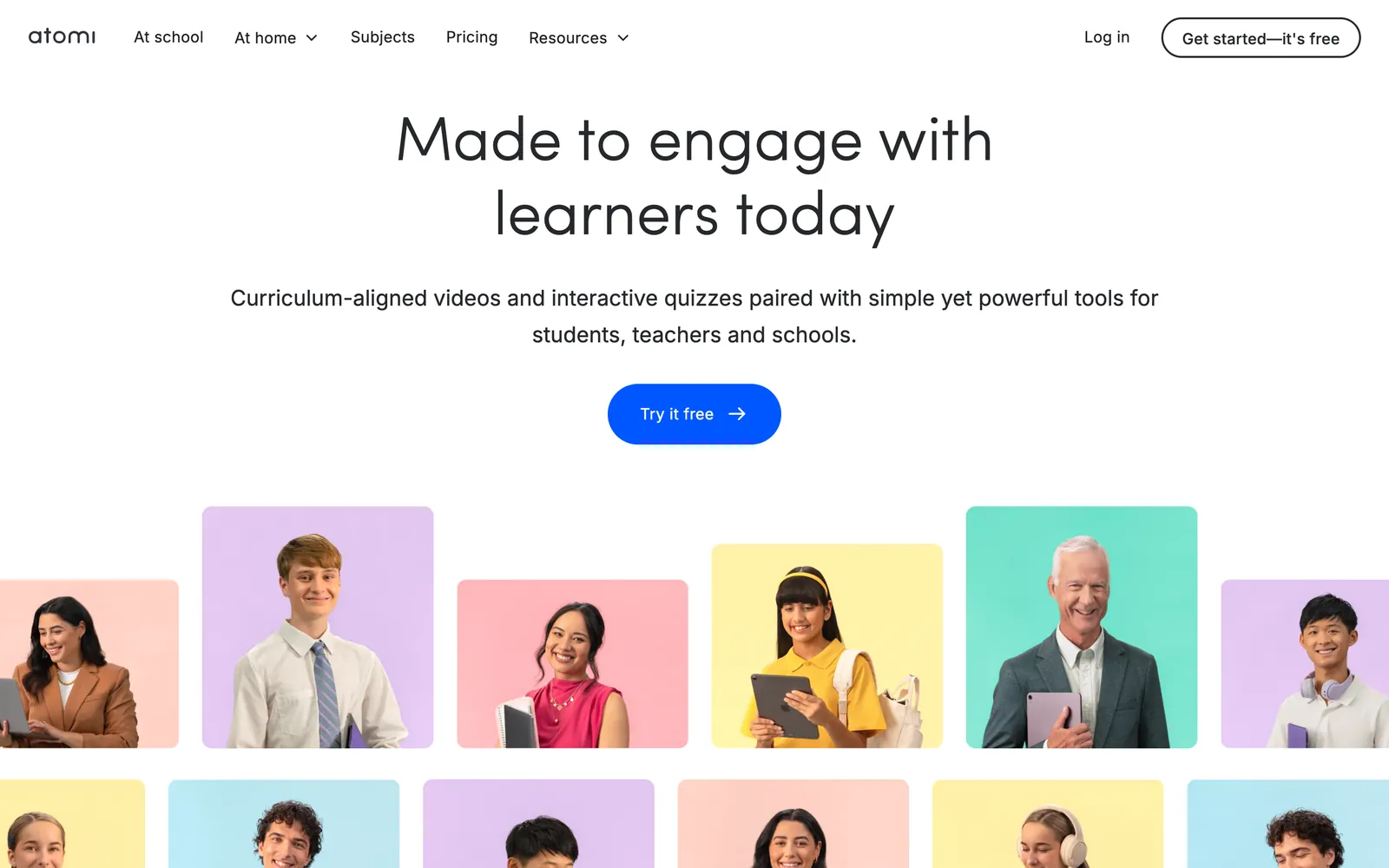
A student wants to know if Atomi will help with exams. A parent wants to know it is worth paying for. A teacher wants to know it fits the curriculum and the classroom. Atomi also runs regional versions, so content and search signals had to work per market inside one build.
- Three audiences with different reasons to start a free trial.
- Regional versions that had to share one design and stay separate for search.
- Site logic that a standard Webflow build cannot run on its own.
The solution
Webflow for the pages, custom code where the site needed it.
We built the marketing site in Webflow so Atomi's team can publish without developers. Where the site needed more than Webflow offers, we added API integrations and server-side JavaScript. The multilingual structure and technical SEO went in during the build, before the first page went live.
Our intervention
What we took on.
Design, build and the custom development around it ran as one project.
- 01
Audience paths
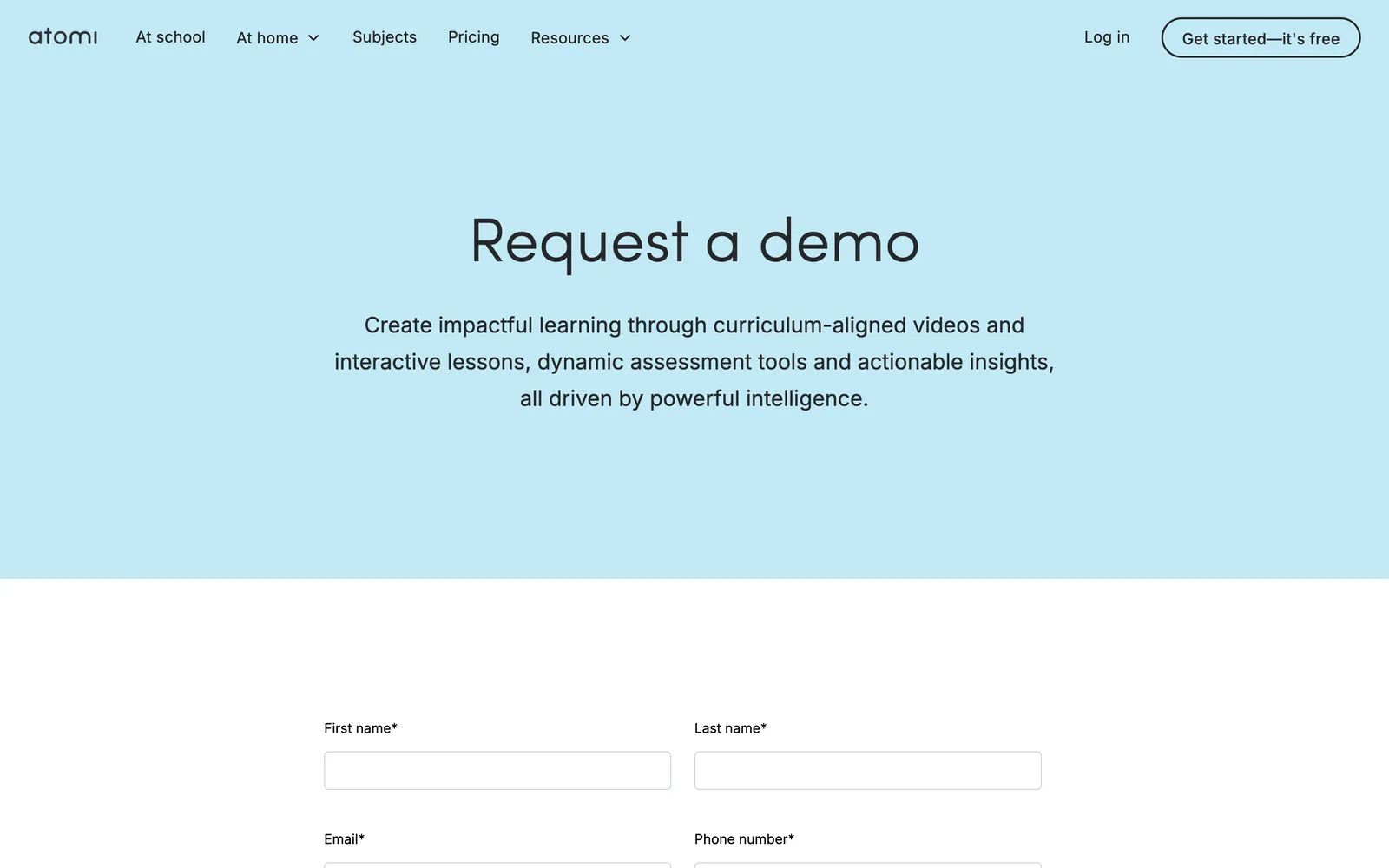
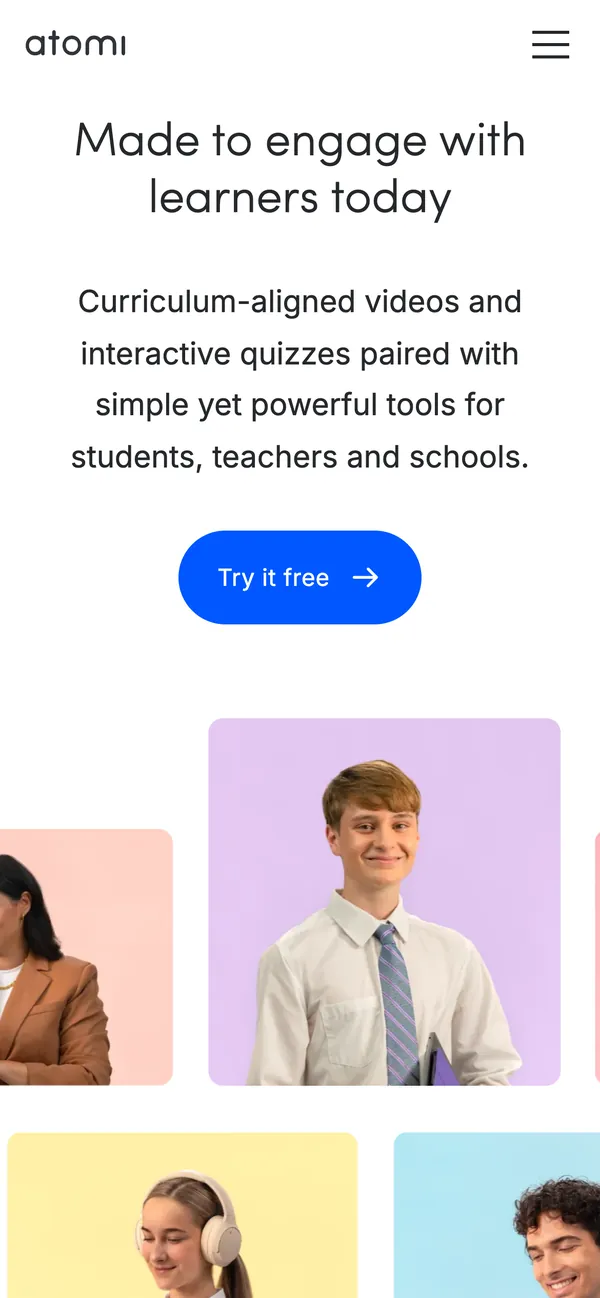
Separate routes for students, parents and schools, each ending in a free trial or a demo request.
- 02
API and server-side work
Custom API development and server-side JavaScript for the logic Webflow cannot handle natively.
- 03
Multilingual setup
A localisation structure where regional versions share one design system and keep their own content.
- 04
Interactions and technical SEO
Advanced interactions that show the product in motion, plus technical SEO for structure, metadata and indexing in every version.
The Stega fix
Let the product do the teaching.
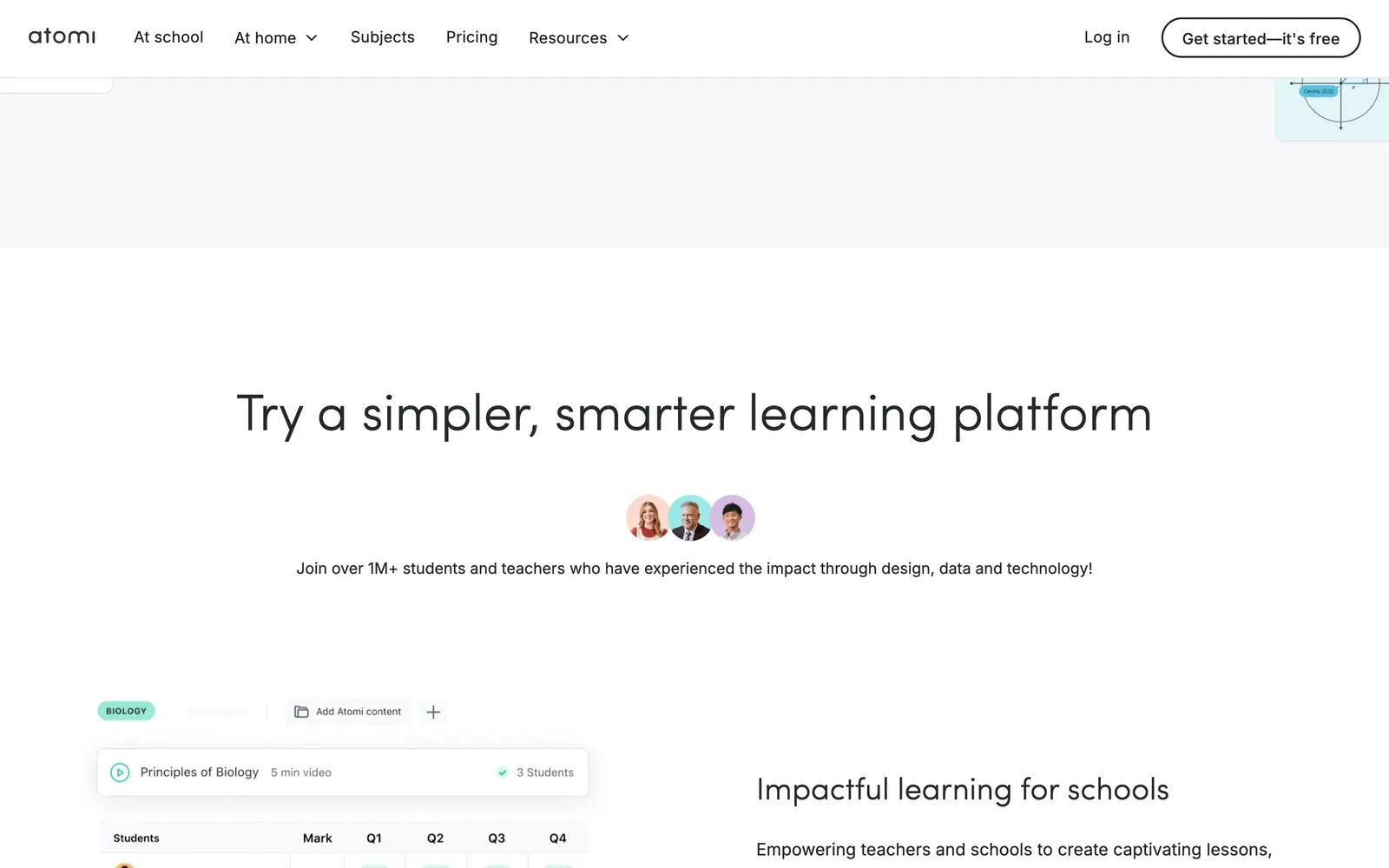
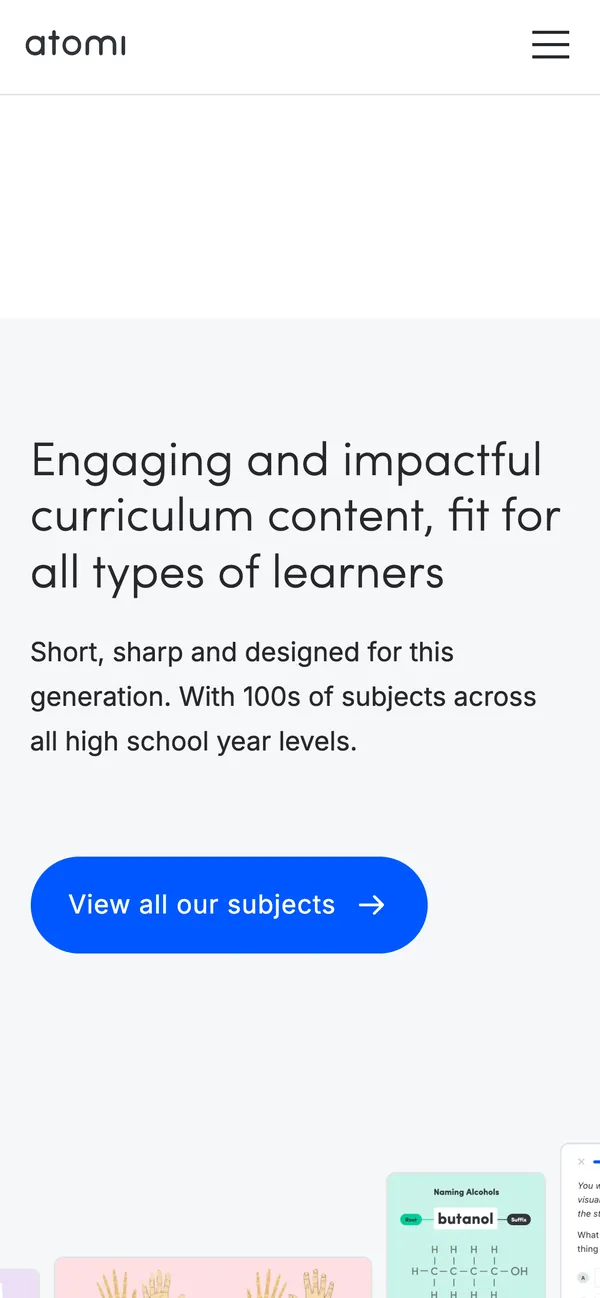
Atomi teaches through video and interaction, so the site should work the same way. We kept copy short and let the product show itself.
Show the lesson
Interactions and product visuals show what an Atomi lesson looks like before anyone signs up.
Custom code only where it pays
Webflow runs pages and content, and custom code runs the logic, so the team still edits most of the site themselves.
Search set up at launch
Technical SEO and the regional structure shipped with the first release, so each version could rank from day one.
Stega initiatives
What comes next.
With the build in place, the next work focuses on content and trial starts.
Content mapping
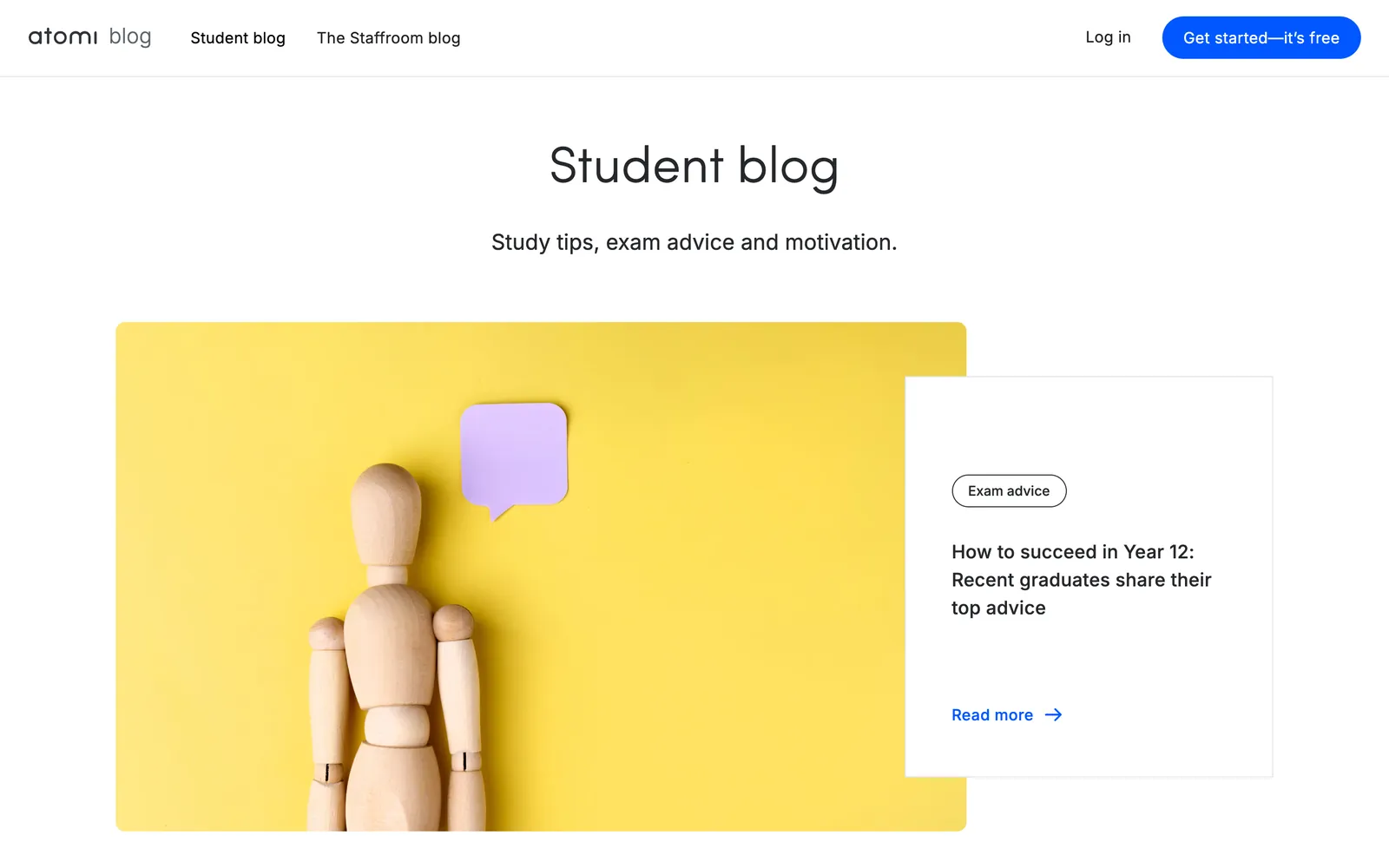
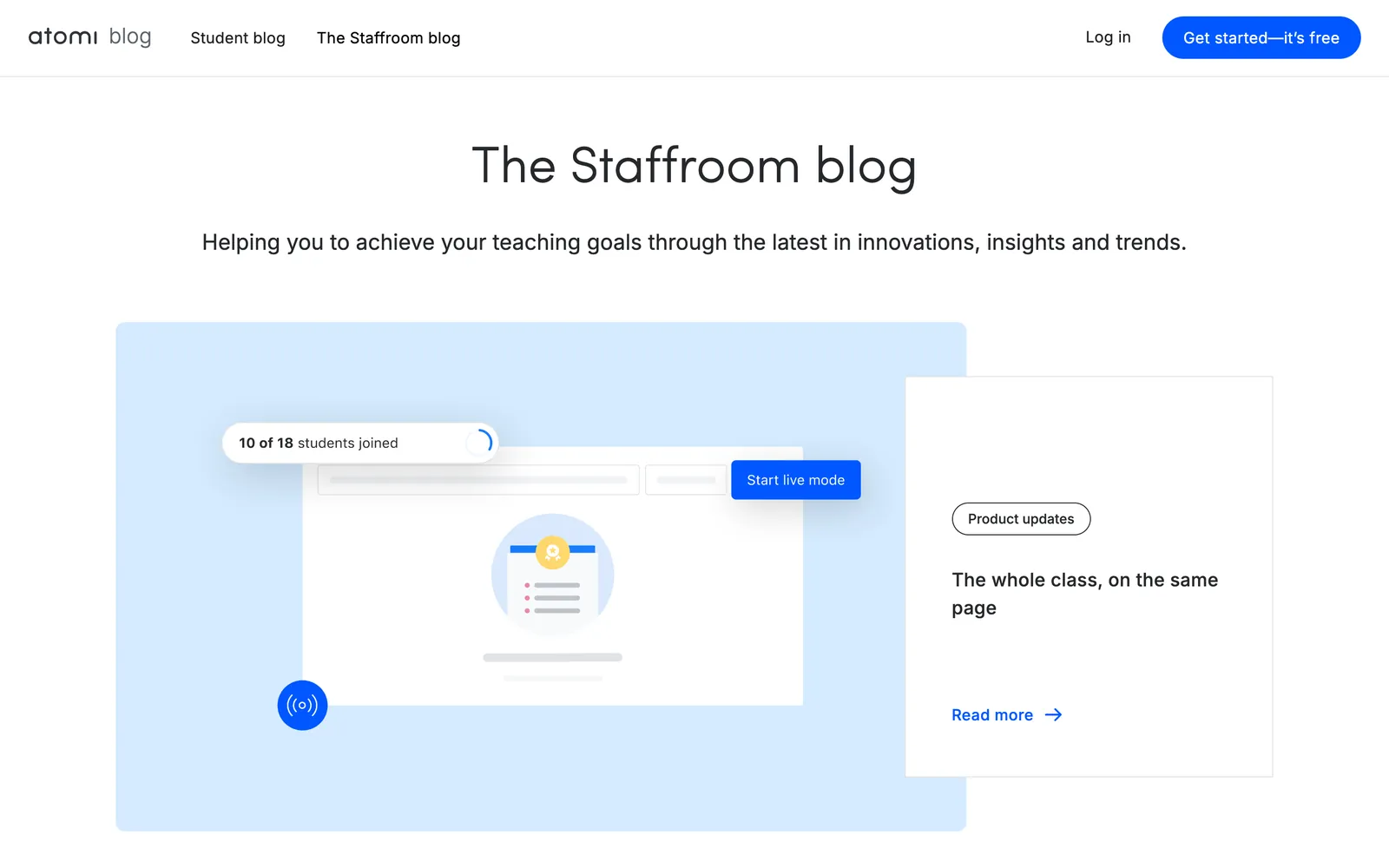
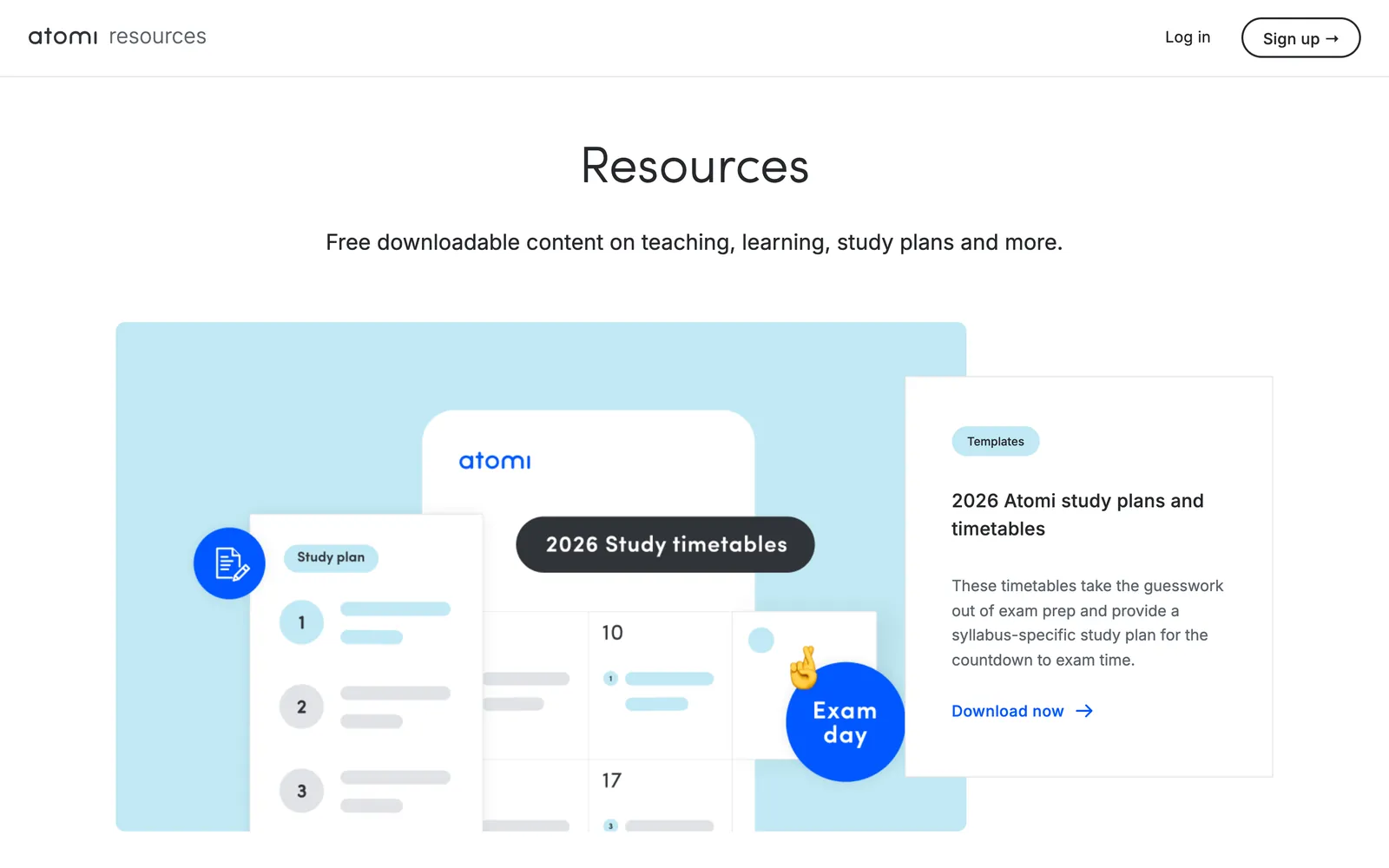
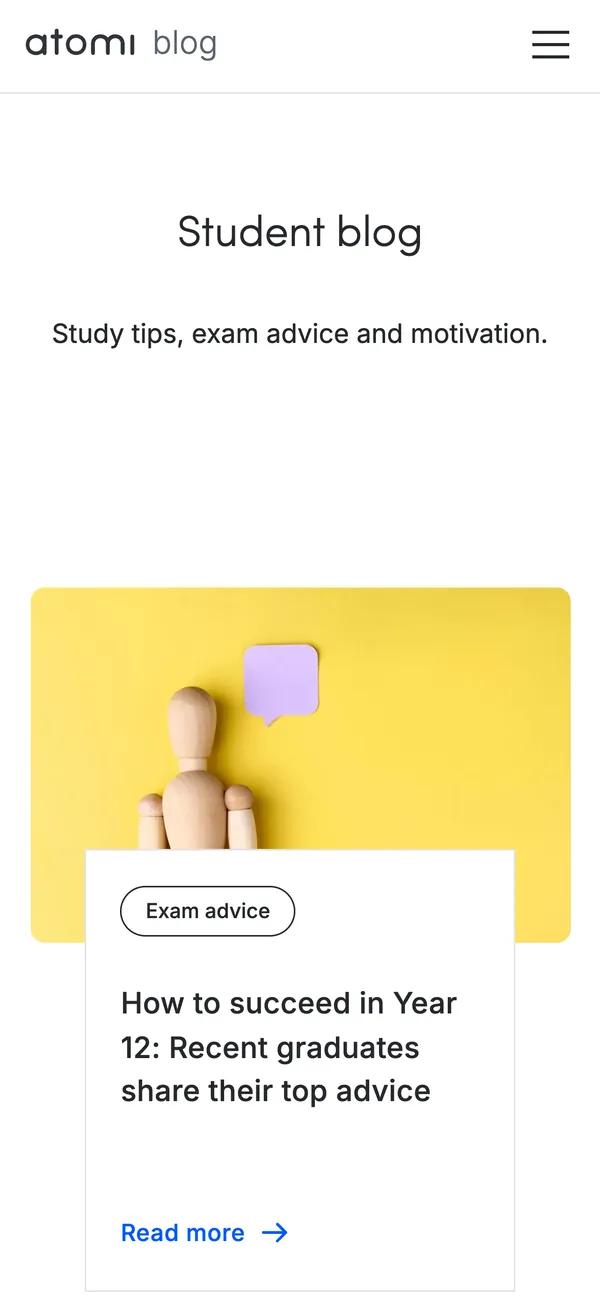
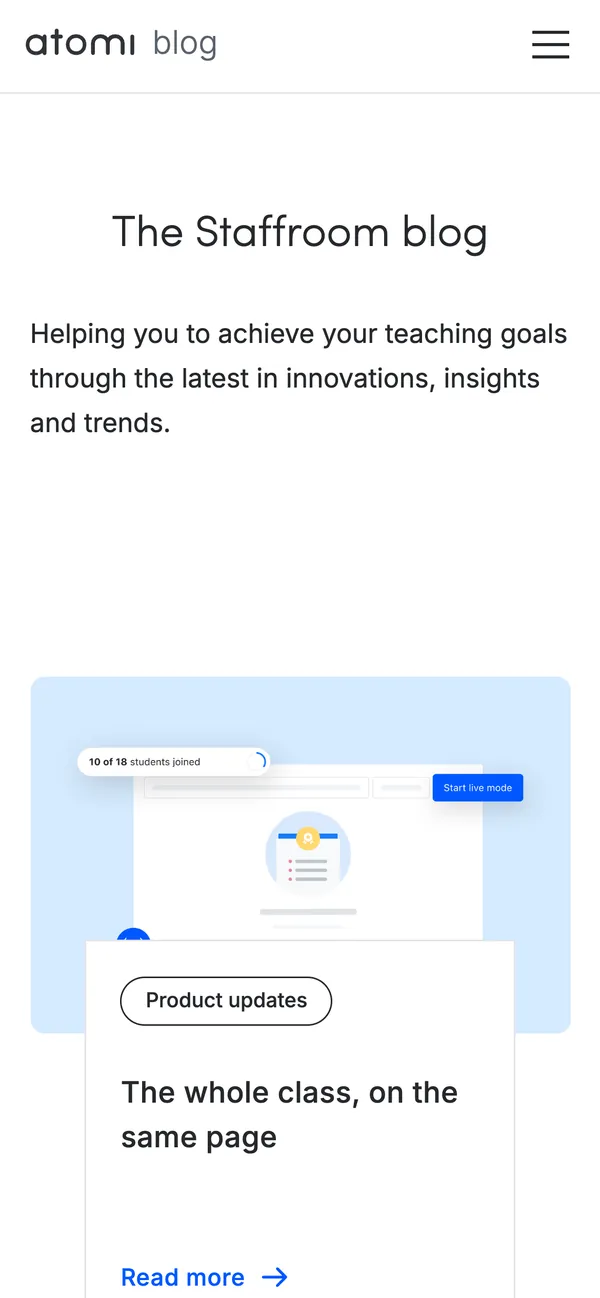
The student blog, the Staffroom blog and the resource hub give Atomi room to rank. Next we are mapping their topics to real search demand.
Trial tracking
We are preparing tracking that ties each audience path to free trial starts, so the team can see which route works best.
New regions
We propose reusing the same multilingual structure for any market Atomi enters next, with search checks per region.
Toolstack
The tools behind it.
- WebflowThe marketing site, its CMS and the regional versions.
- FigmaPage designs and the interaction concepts for each audience path.
- JavaScriptServer-side logic and API integrations beyond Webflow's built-in features.
- Google Search ConsoleIndexing and search performance for each regional version.