





















Plan the architecture
Frontend framework, hosting, Medusa modules and CMS chosen together, with a diagram of who owns which data and how pages render.


 4.9 / 5
Medusa headless commerce that pairs Medusa.js with a custom frontend and a headless CMS, planned as one architecture from day one.
Selected work, in motion.
Brand and interaction, brought together in a digital experience.Headless commerce gives you freedom. Without a plan, it also gives you three systems that disagree.
What's included
We plan the architecture first, so each system does one job and the storefront feels like one product.
Frontend framework, hosting, Medusa modules and CMS chosen together, with a diagram of who owns which data and how pages render.
A Next.js or Astro storefront on Medusa's Store API, with server-rendered product pages and cached collection pages.
Sanity, Contentful, Storyblok or Payload linked to Medusa products, so editors build landing pages and stories around live catalogue data.
Automated tests that browse, add to cart and pay across regions, run against every release before it reaches customers.
Security, by consideration.
For your Medusa project, we consider storefront APIs, backend services, payment connections and operational access as part of one connected build.
See our approachGitHub workflows, peer review and dependency checks bring decisions into the release process.
Certificate configuration, HTTPS and secure headers help protect the path between your users and your systems.
Scoped tool access, validated inputs and human approval where automated actions carry consequences.
The expensive headless mistakes happen in week one. We spend the time there.
Architecture, data ownership, rendering strategy and hosting agreed and written down.
Medusa backend, CMS models and frontend built in parallel against shared contracts.
End-to-end tests, performance checks and a staged launch.
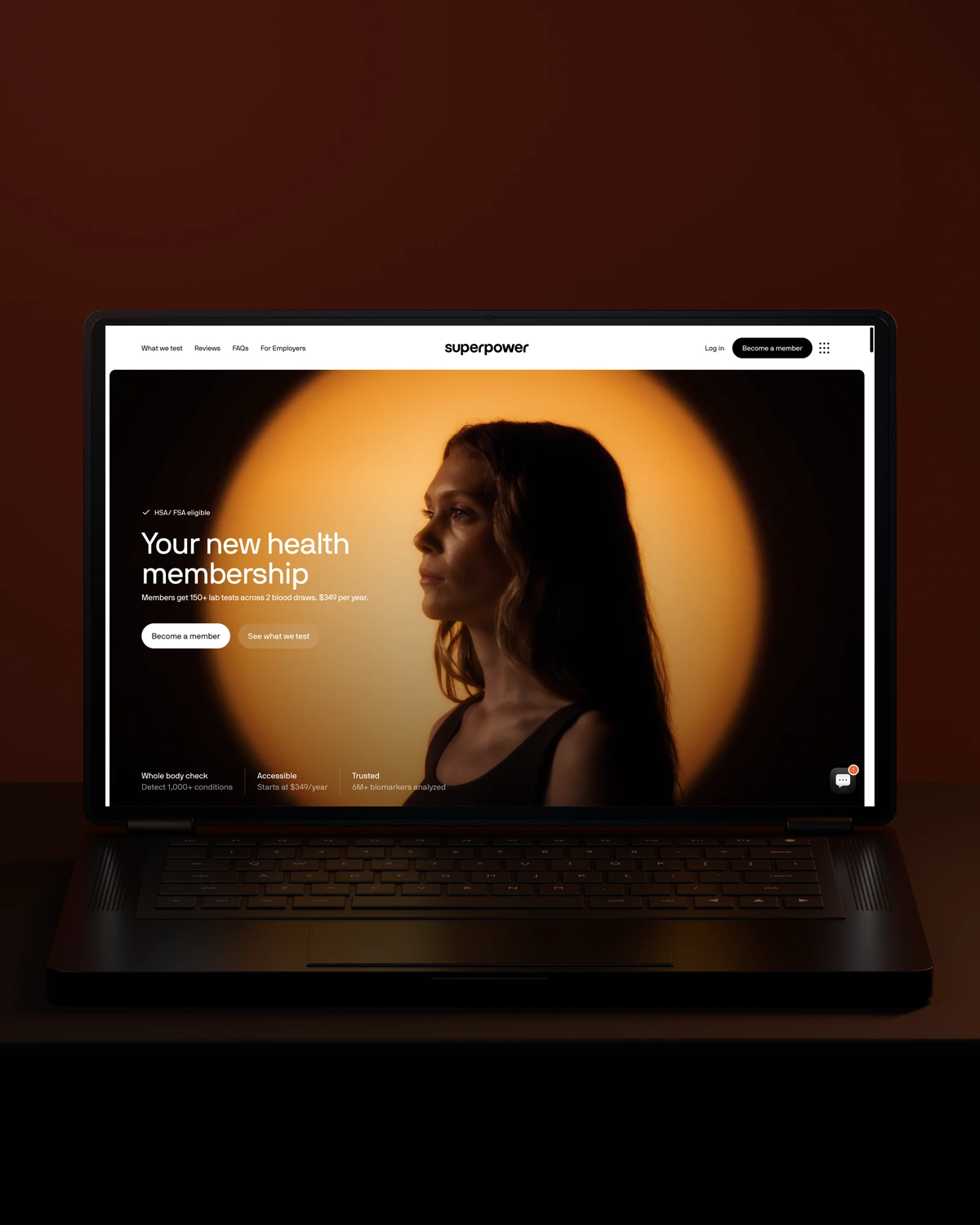


 Built to driveMore sign-ups.
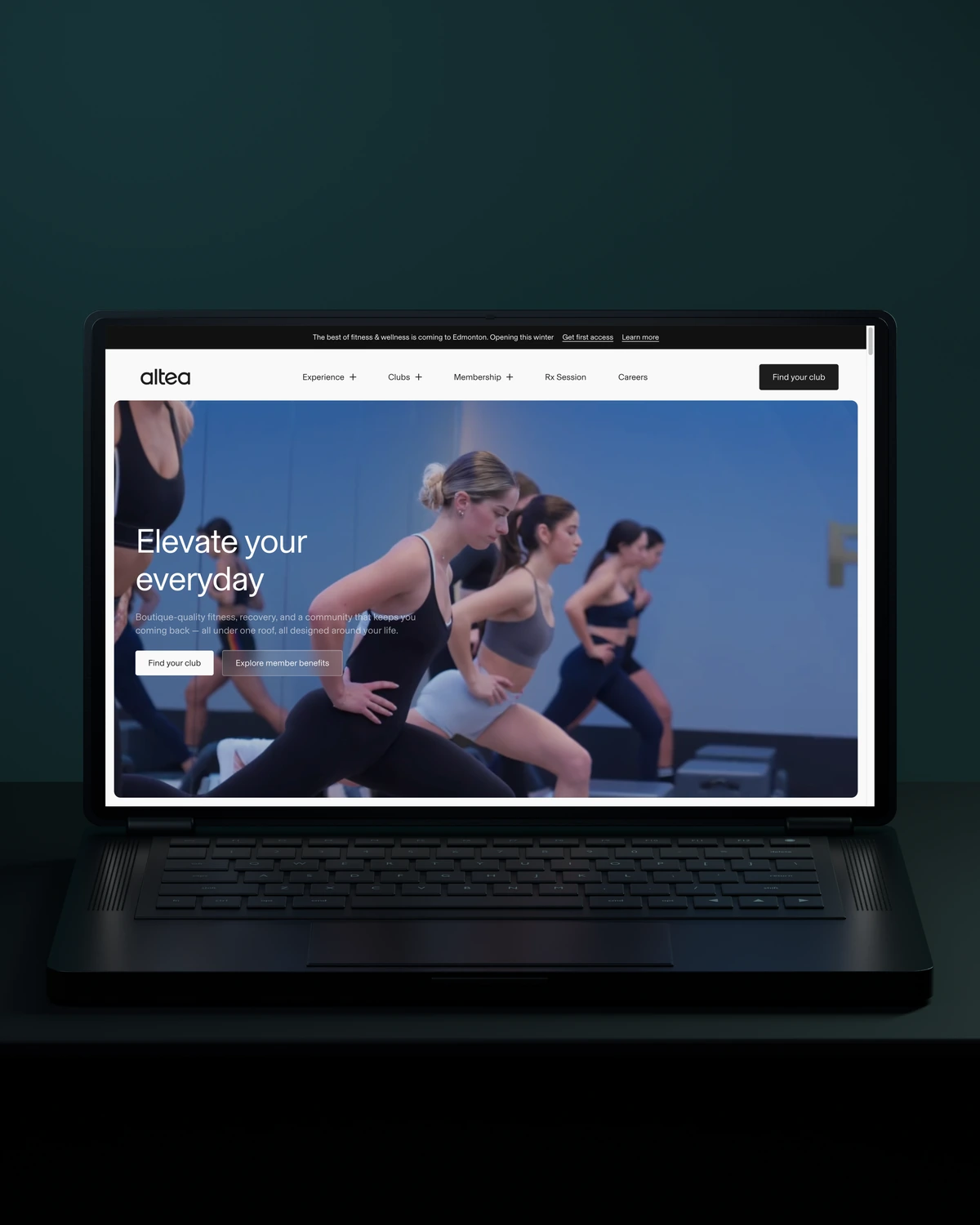

 Built to driveMore memberships.

 Built to driveBetter-qualified leads.
 Built to driveMore qualified candidates.


 Built to driveMore enquiries.
 Built to driveMore qualified demos.
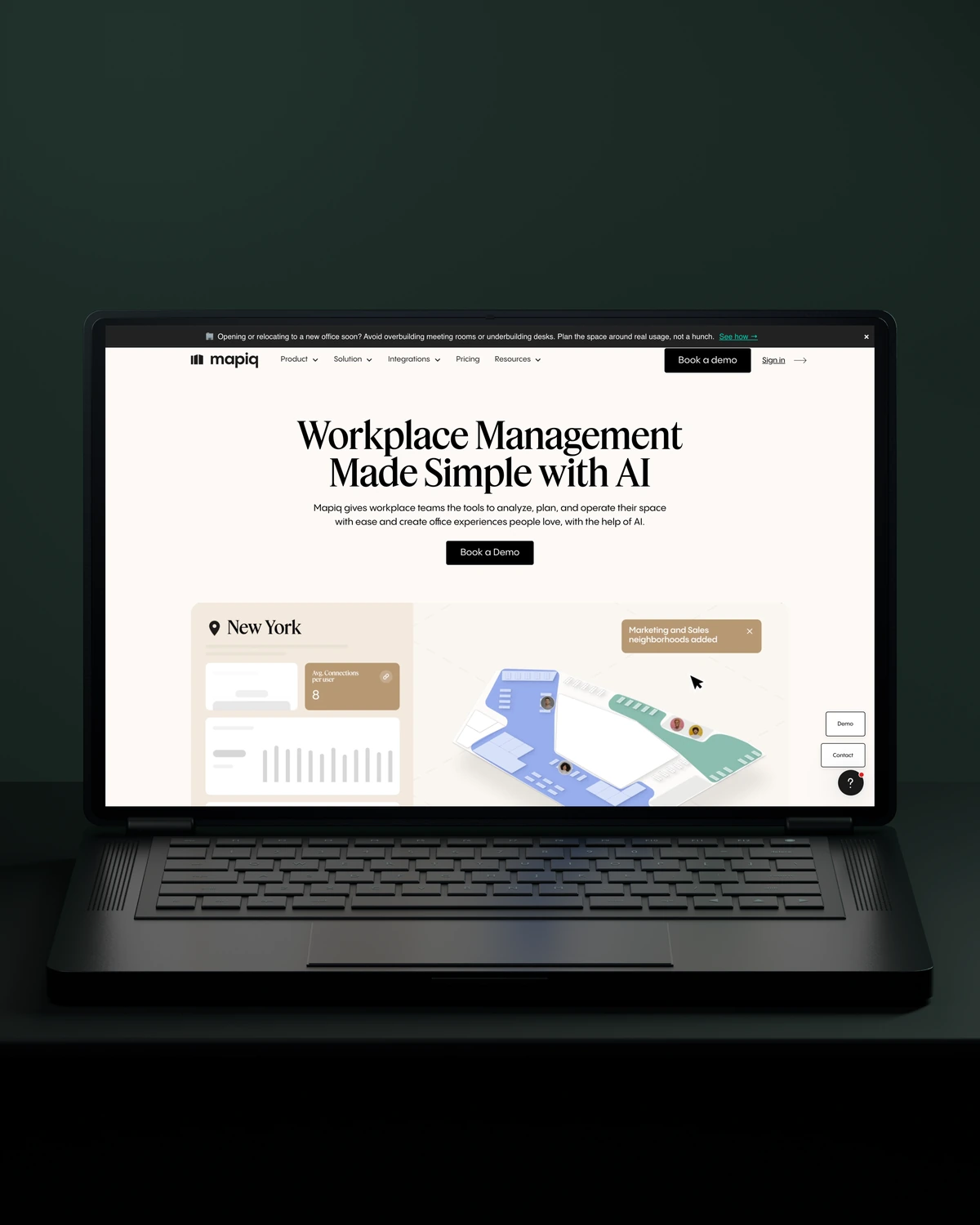
 Built to driveMore workplace demos.
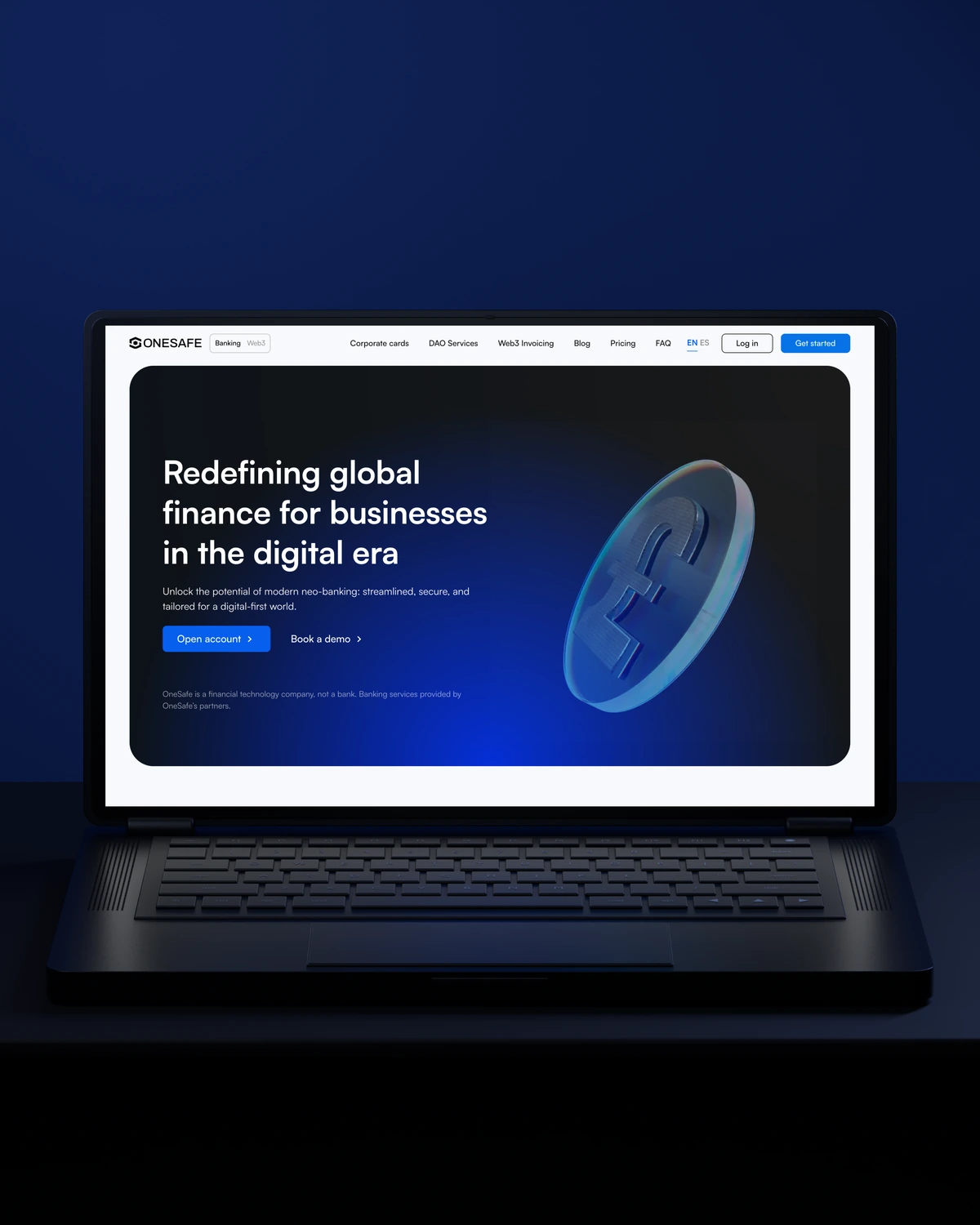
 Built to driveMore business accounts.
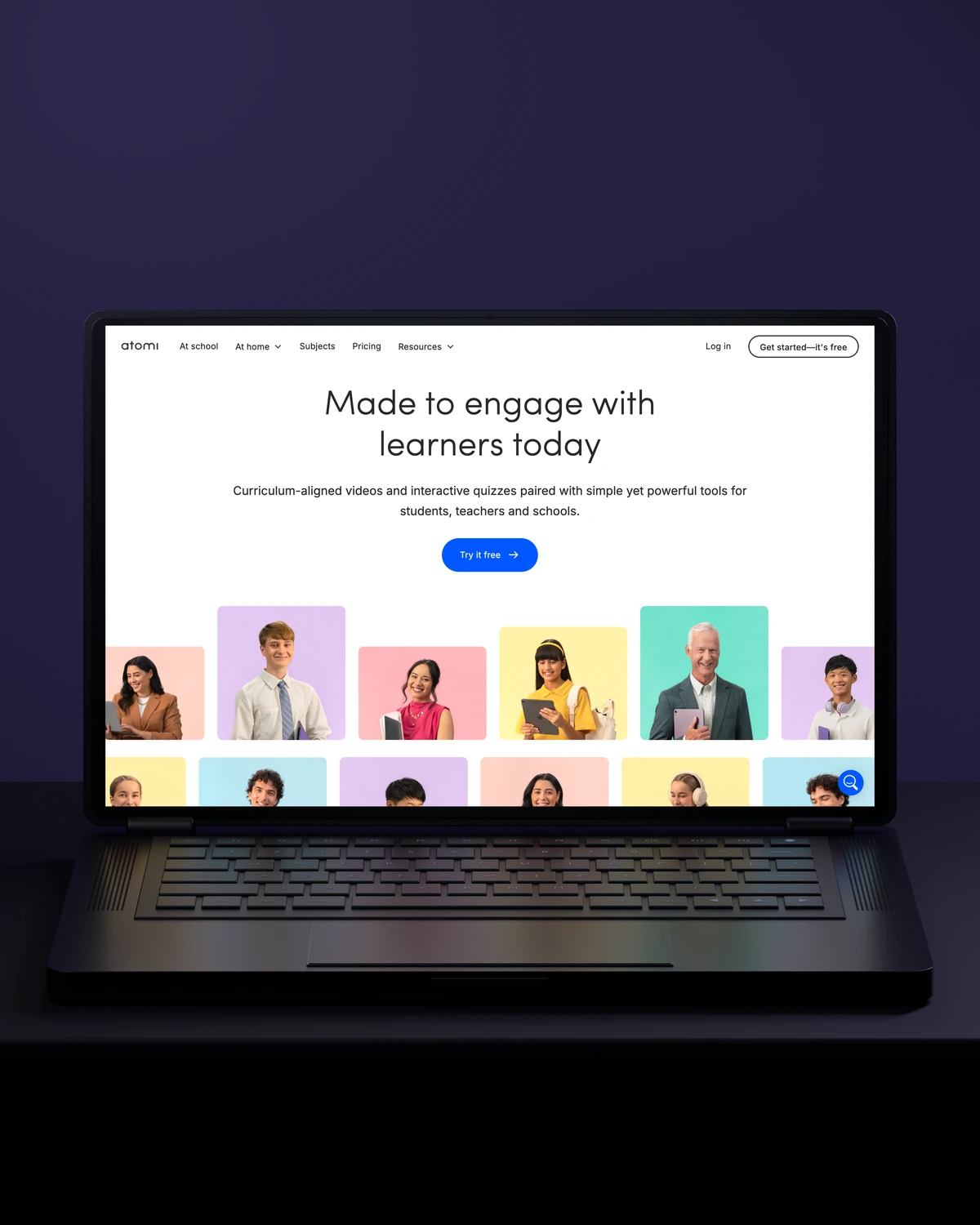
 Built to driveMore free trials.
 Built to driveMore building owners.
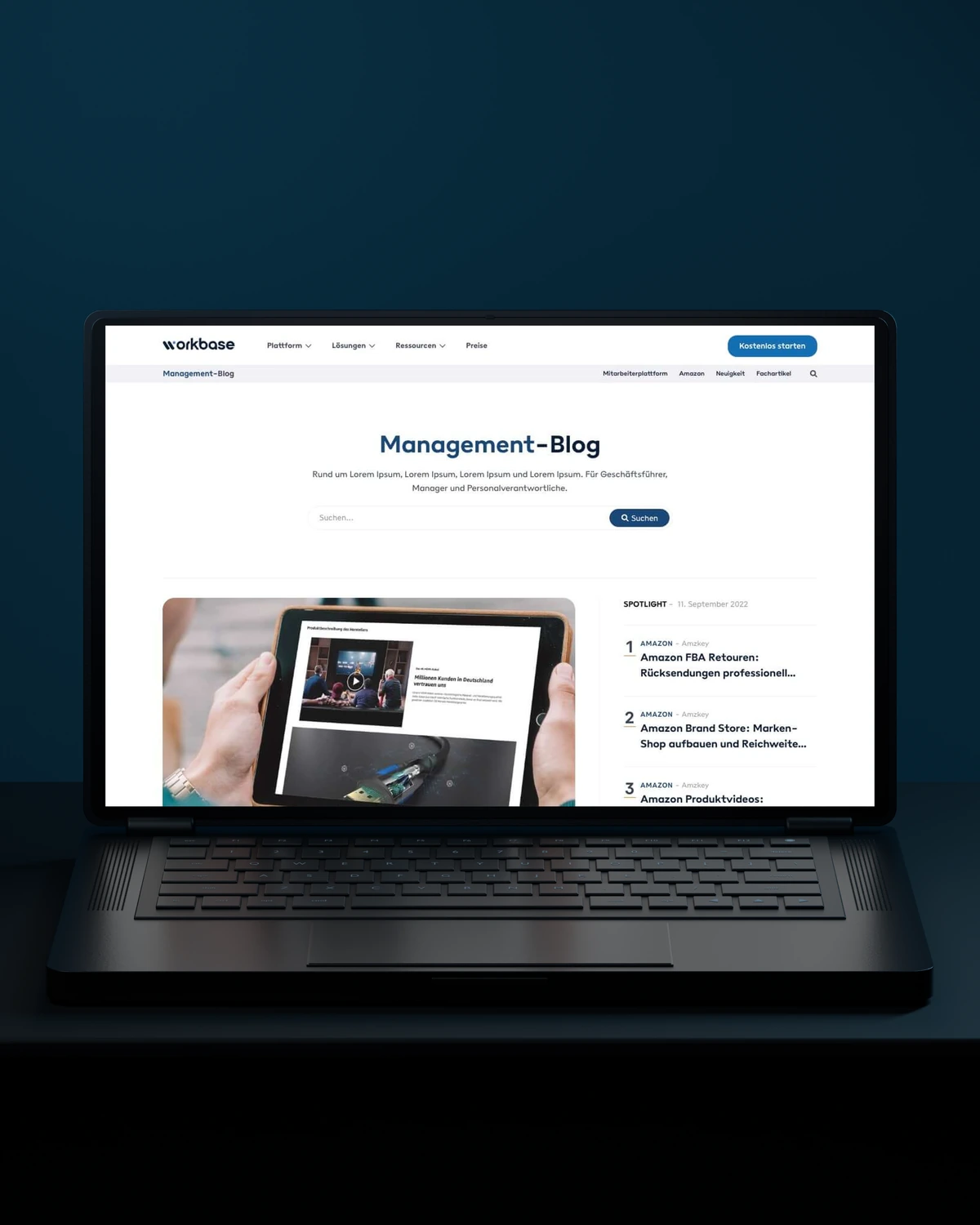
 Built to driveMore free sign-ups.
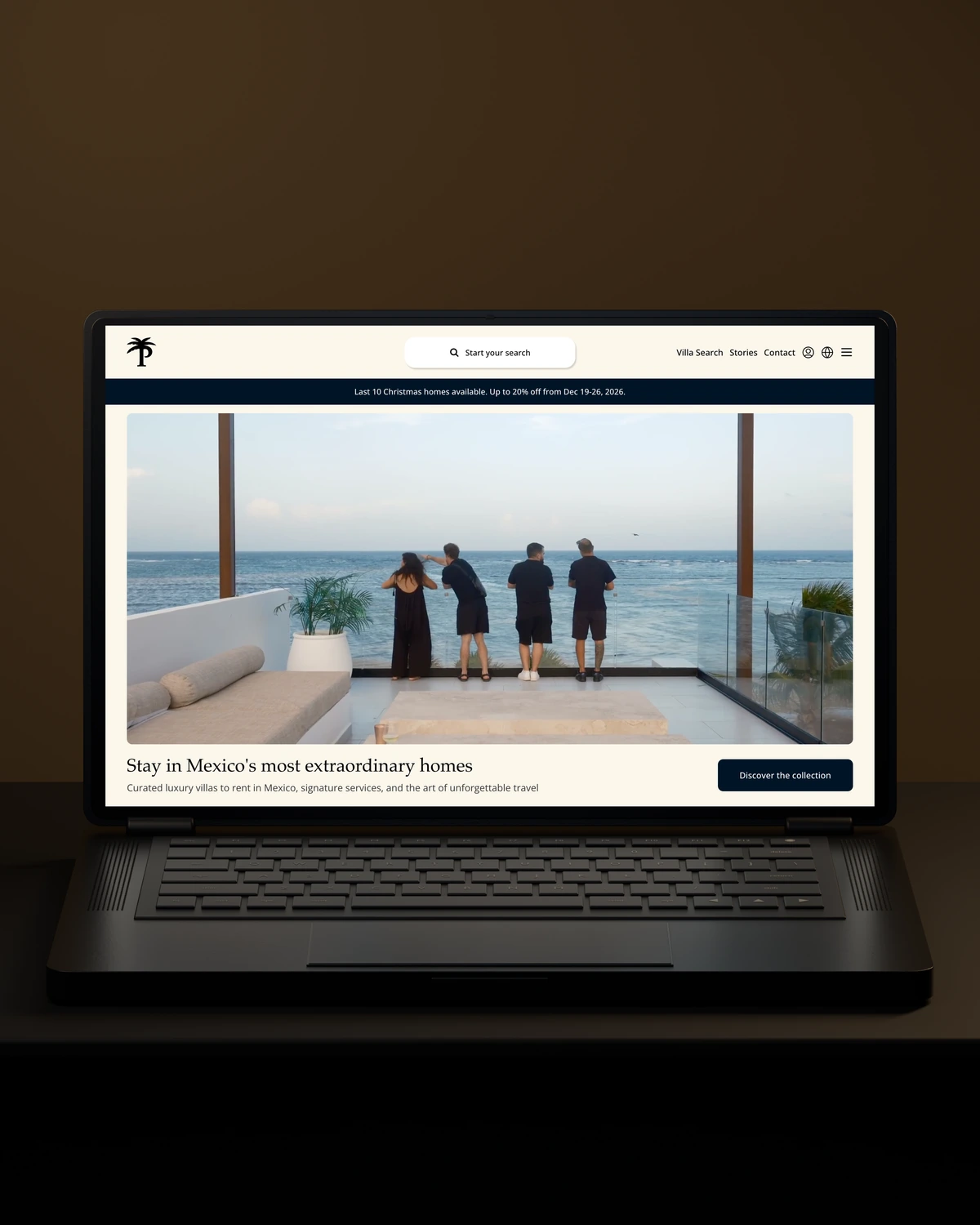
 Private Villas MexicoBuilt to driveMore direct bookings.
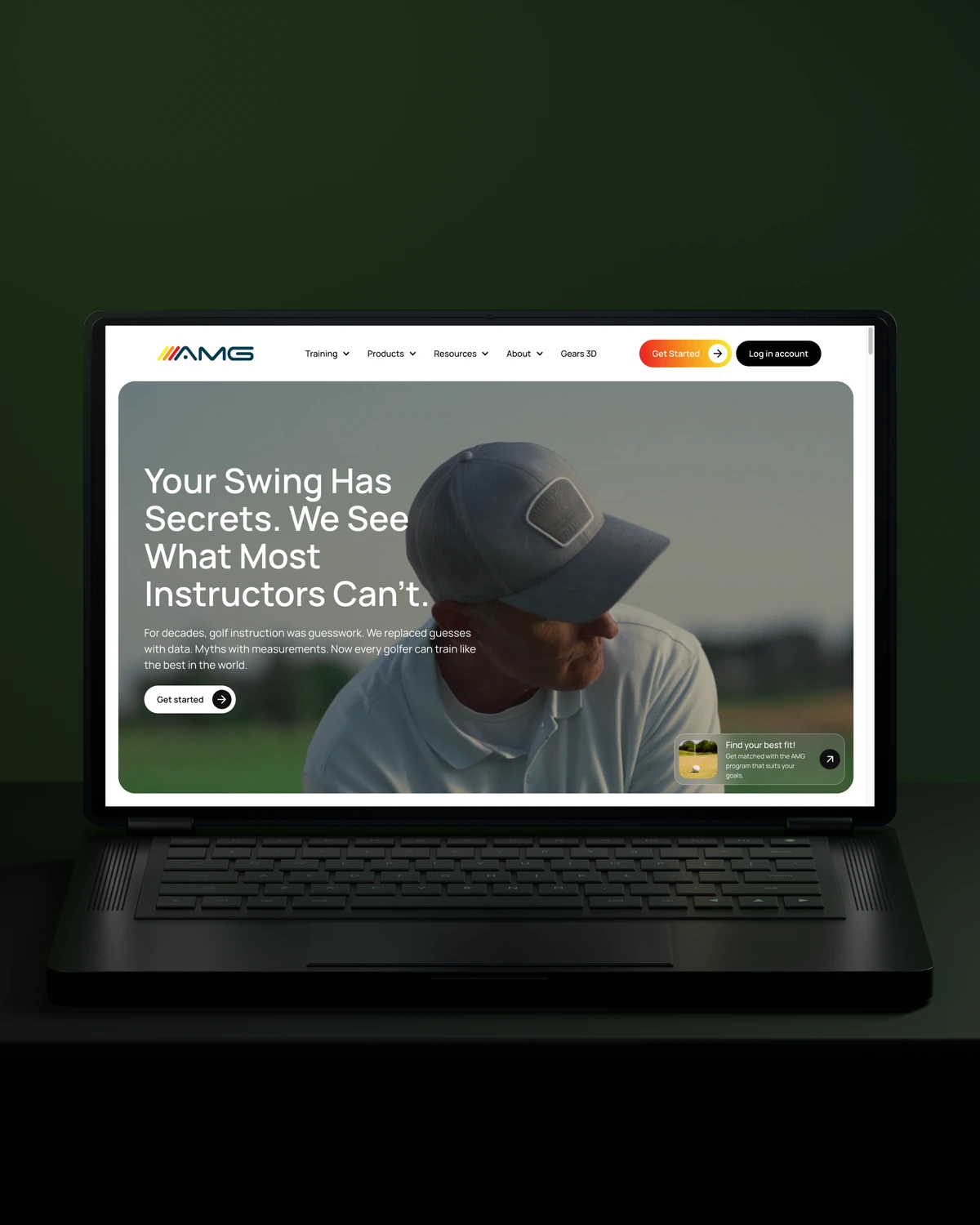
 Built to driveMore committed players.
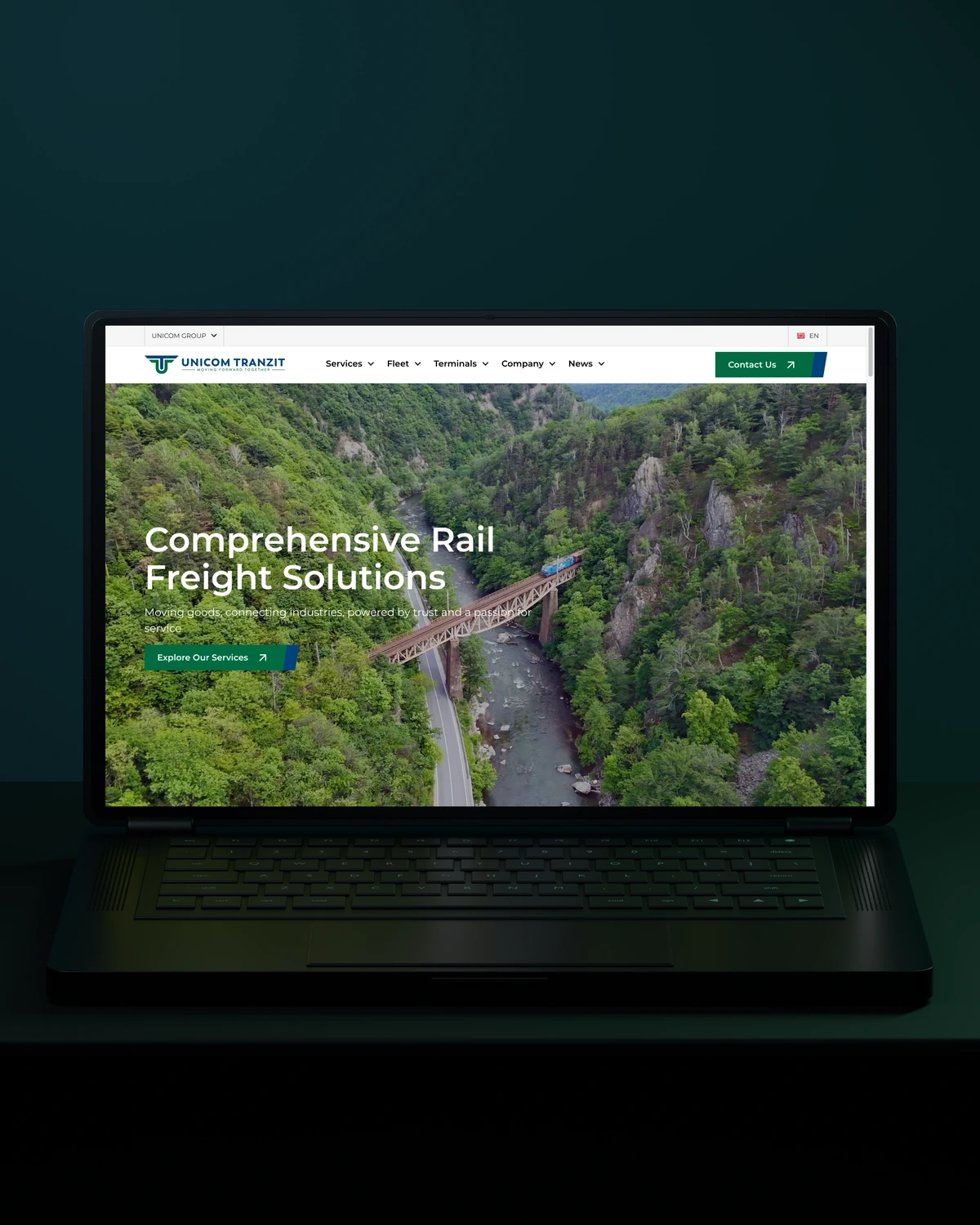

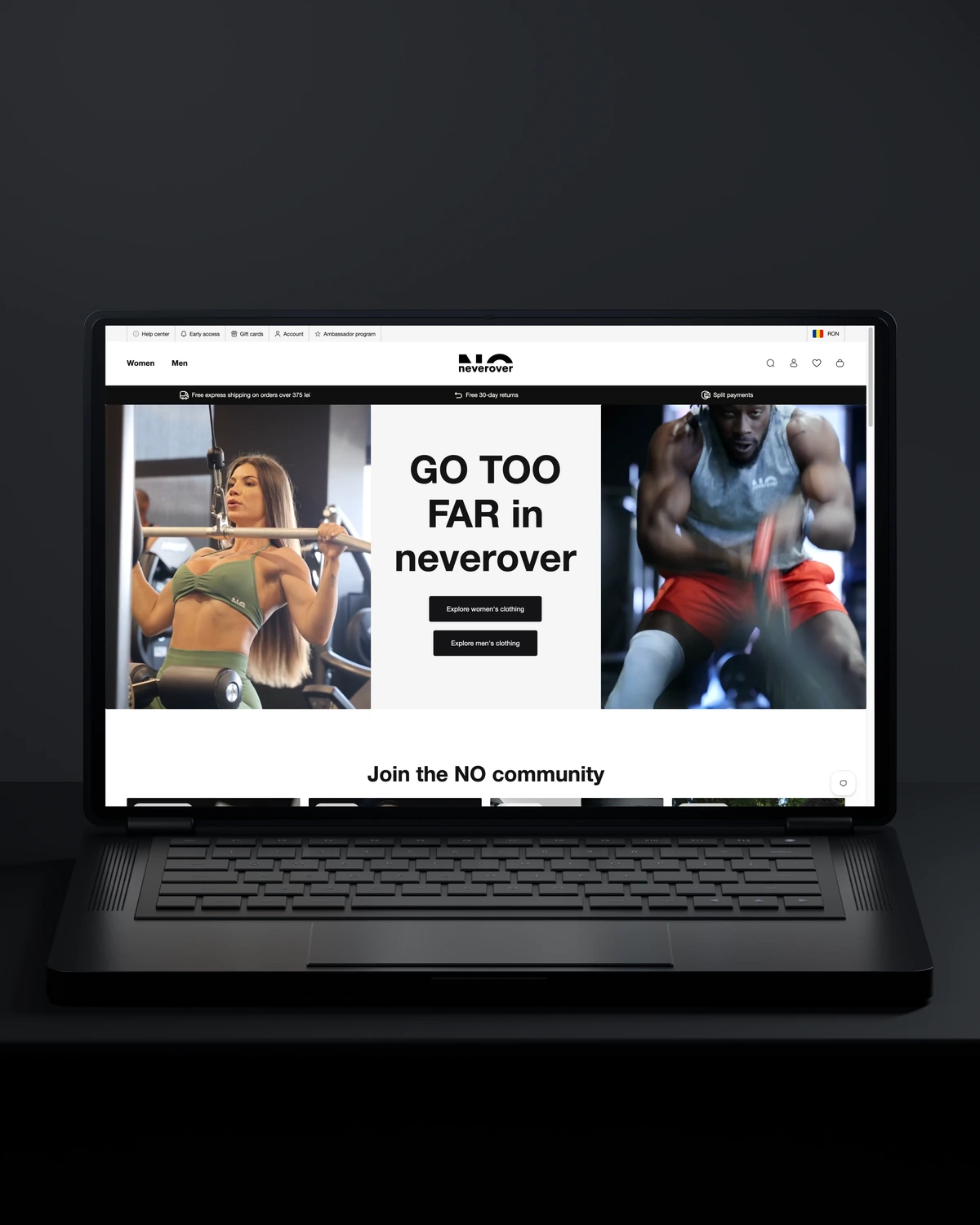
 Built to driveMore returning customers.

 Built to driveMore meaningful demos.
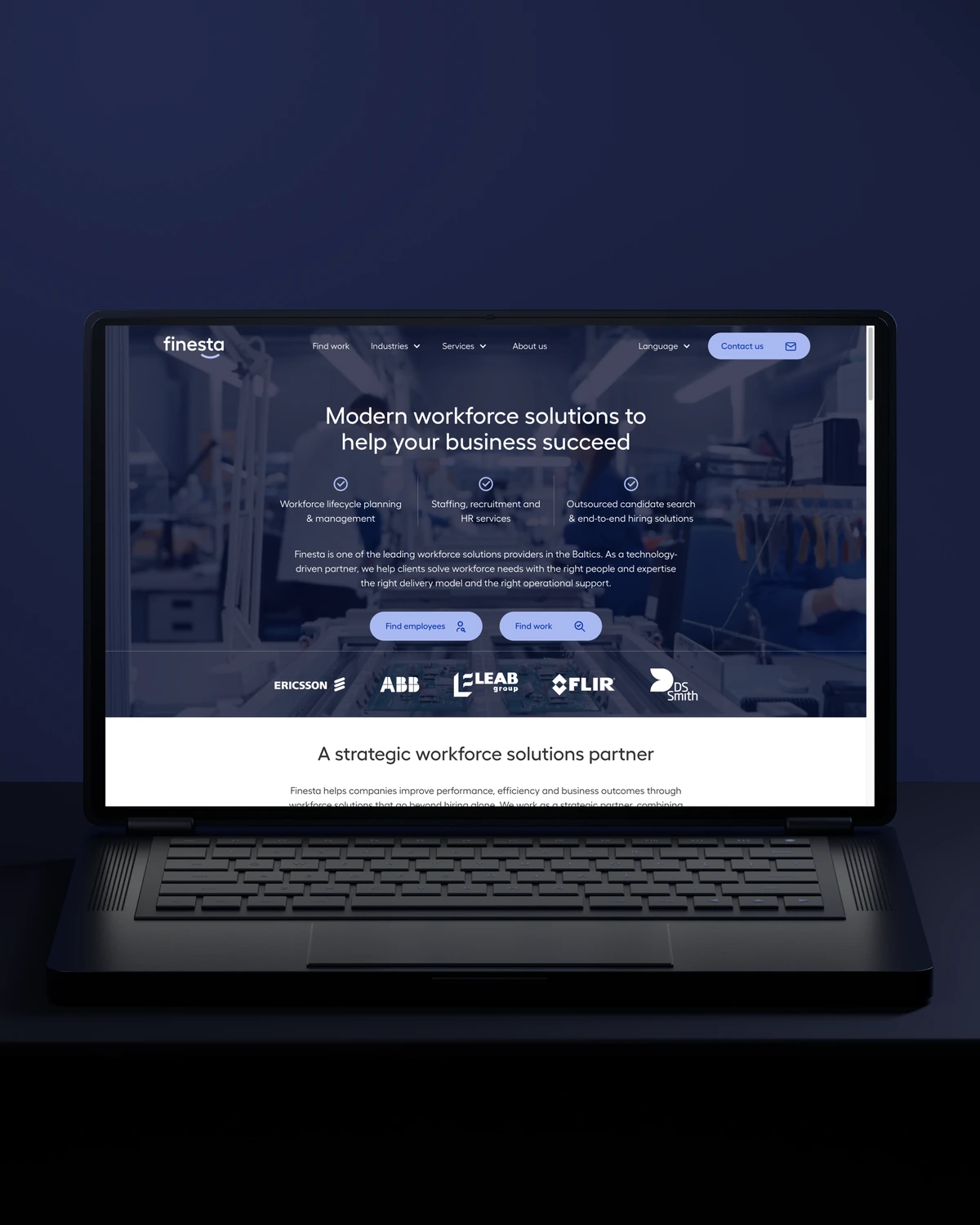
 Built to driveBetter talent connections.
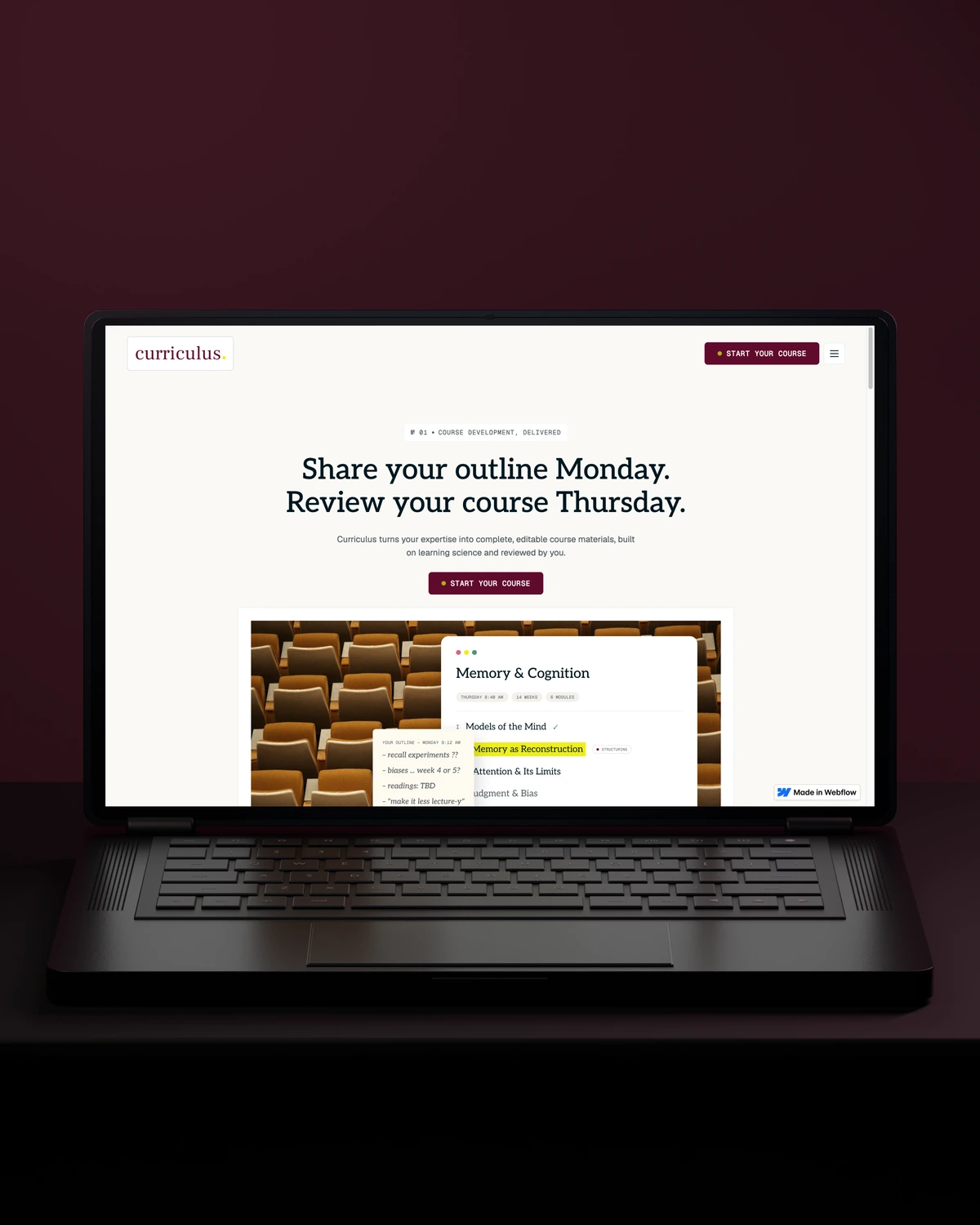
 Built to driveMore course creators.
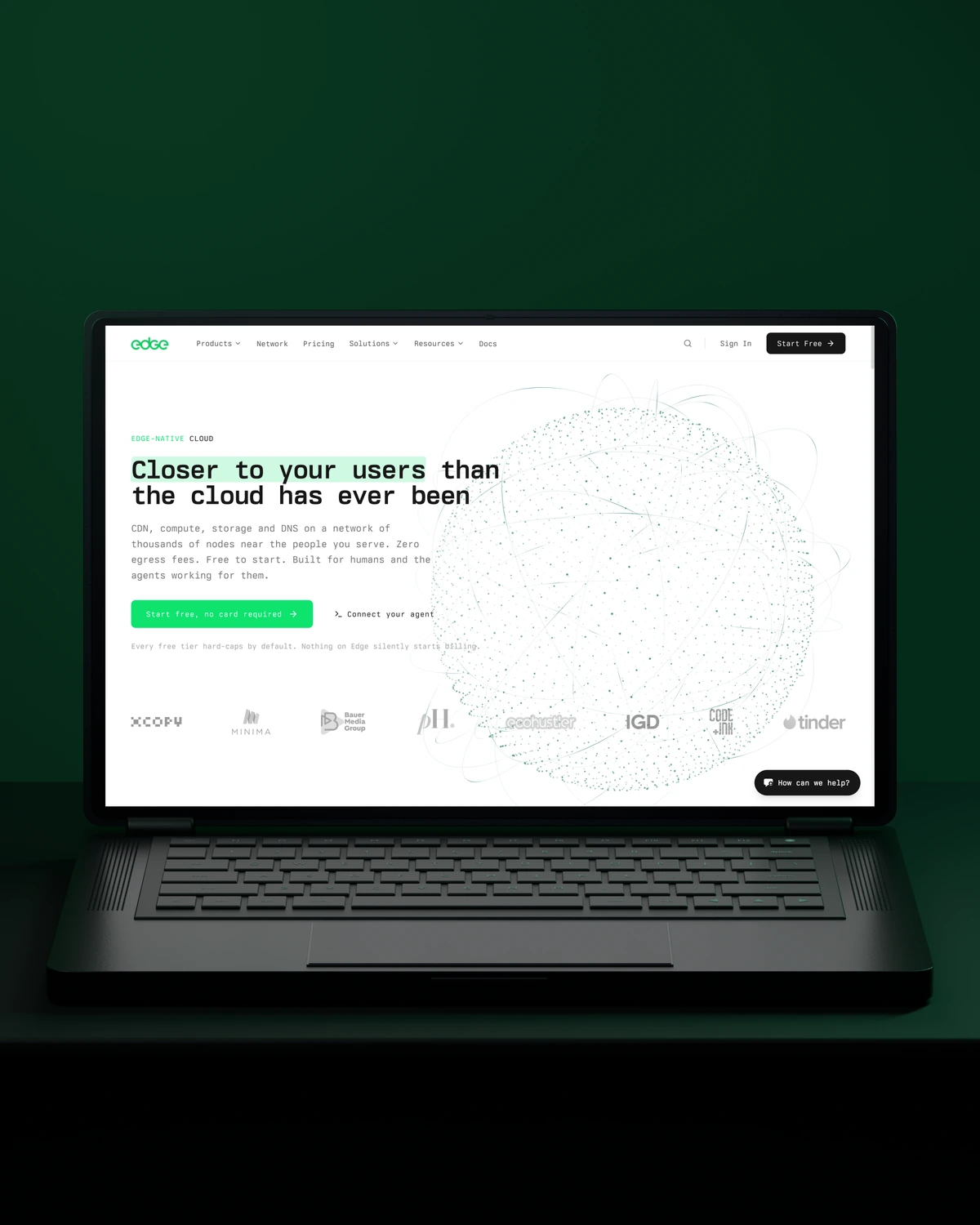
 Built to driveMore product discovery.
Trusted across our practice
Independent reviews. Long-term working relationships.


“We’ve been working with Stega & Gabriel for the last two years. Cannot recommend them enough. They’re responsive, professional & an asset.”
“After a website (re)launch, they are also always accessible and happy to help. I highly recommend everyone who is looking for a new and more stable website in Webflow, to work with Stega!”
“Stega Creative team not only understood our needs and vision for the websites, but they also came up with improvements.”
A few things worth discussing before your Medusa headless commerce takes shape.
Next.js is the most common frontend for Medusa headless commerce, and Medusa provides a Next.js starter storefront. Astro, Remix or a mobile app work too, since everything talks to the Store API. We choose based on your team's skills, content needs and how interactive the site is.
The best CMS to pair with Medusa depends on who edits and how. Sanity and Payload suit teams wanting flexible content models. Storyblok suits marketers who want visual editing. Contentful suits larger organisations with many content types. We connect Medusa product data to whichever CMS your editors will use.
Headless commerce with Medusa.js is often overkill for a small store with a simple catalogue. Running three systems costs more than one hosted platform such as Shopify. Medusa headless starts to pay off with complex products, several markets or a content-heavy brand a theme cannot express.
That covers the Medusa backend on Medusa Cloud or your own servers, its database and cache, frontend hosting and a CMS plan. We estimate each line during architecture planning, so there are no surprises after launch.
way.Your ambition. Our collective craft.
Strategy, design and technology, working as one.