











Write the hypothesis
Each test states what changes, who sees it, which metric should move and how much movement would change your plans.


 4.9 / 5
PostHog A/B testing planned, built and read by one team, so every experiment answers the question it was run for.
Selected work, in motion.
The experiences behind the journeys teams measure.Experiments are cheap to start in PostHog. An answer you can act on takes more planning.
What's included
We run the whole experiment, from the idea on paper to the decision in your backlog.
Each test states what changes, who sees it, which metric should move and how much movement would change your plans.
Variants ship behind a PostHog multivariate flag, so targeting, rollout and rollback happen in PostHog without a new deploy.
Revenue, retention or error rates tracked beside the goal metric, so a winning variant cannot quietly damage something else.
A short readout: what happened, how sure we are, what to ship and which test the result suggests next.
Security, by consideration.
For your PostHog project, we consider event collection, personal data, workspace access and ingestion endpoints as part of one connected build.
See our approachGitHub workflows, peer review and dependency checks bring decisions into the release process.
Certificate configuration, HTTPS and secure headers help protect the path between your users and your systems.
Scoped tool access, validated inputs and human approval where automated actions carry consequences.
Three steps per experiment, repeated as your backlog grows.
Hypothesis, audience, goal metric, guardrails and the traffic needed to detect the change you care about.
Variants built behind a flag, checked on every device, then launched to the agreed split.
We wait for the planned sample, then write up the result and the decision.
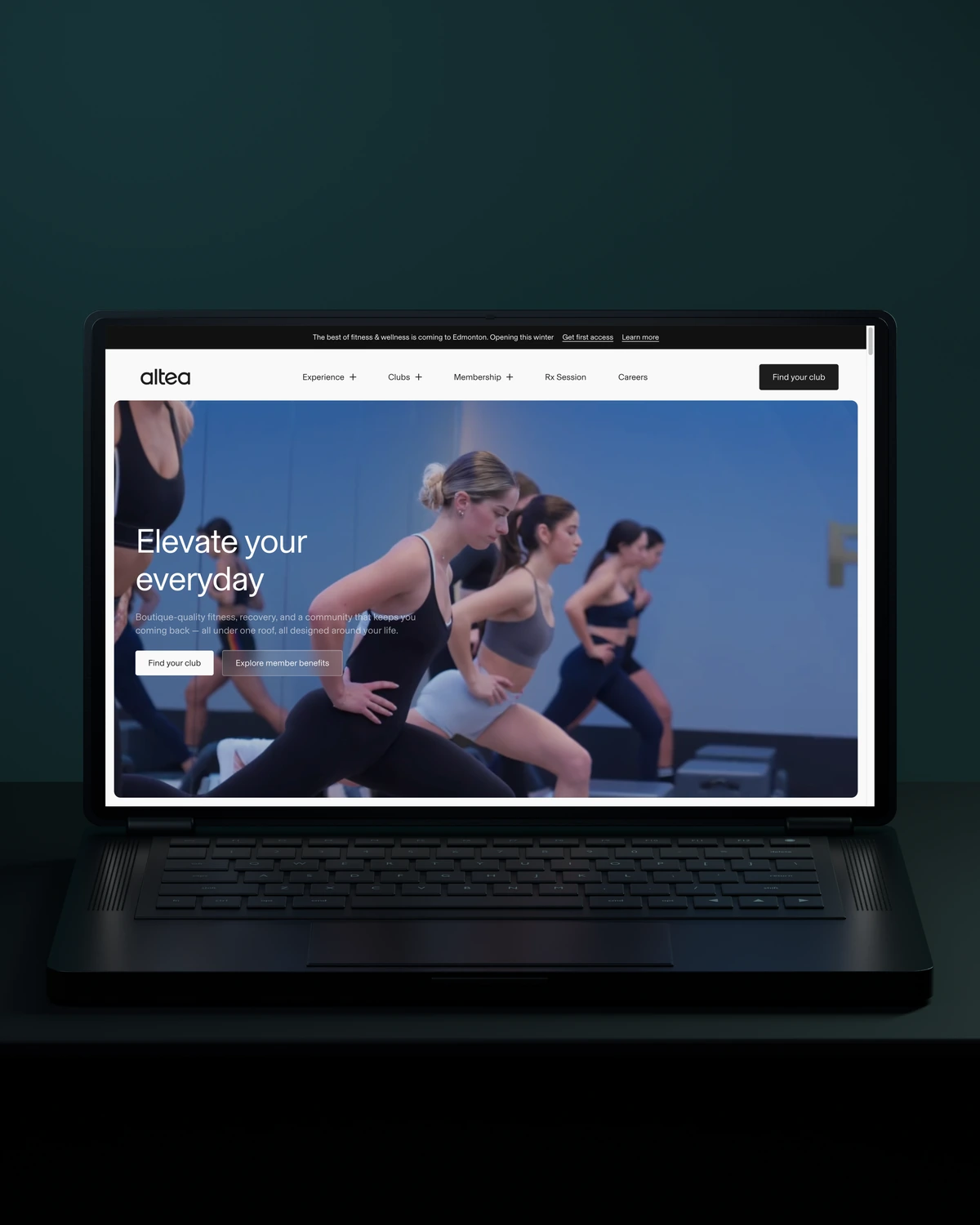


 Built to driveMore memberships.
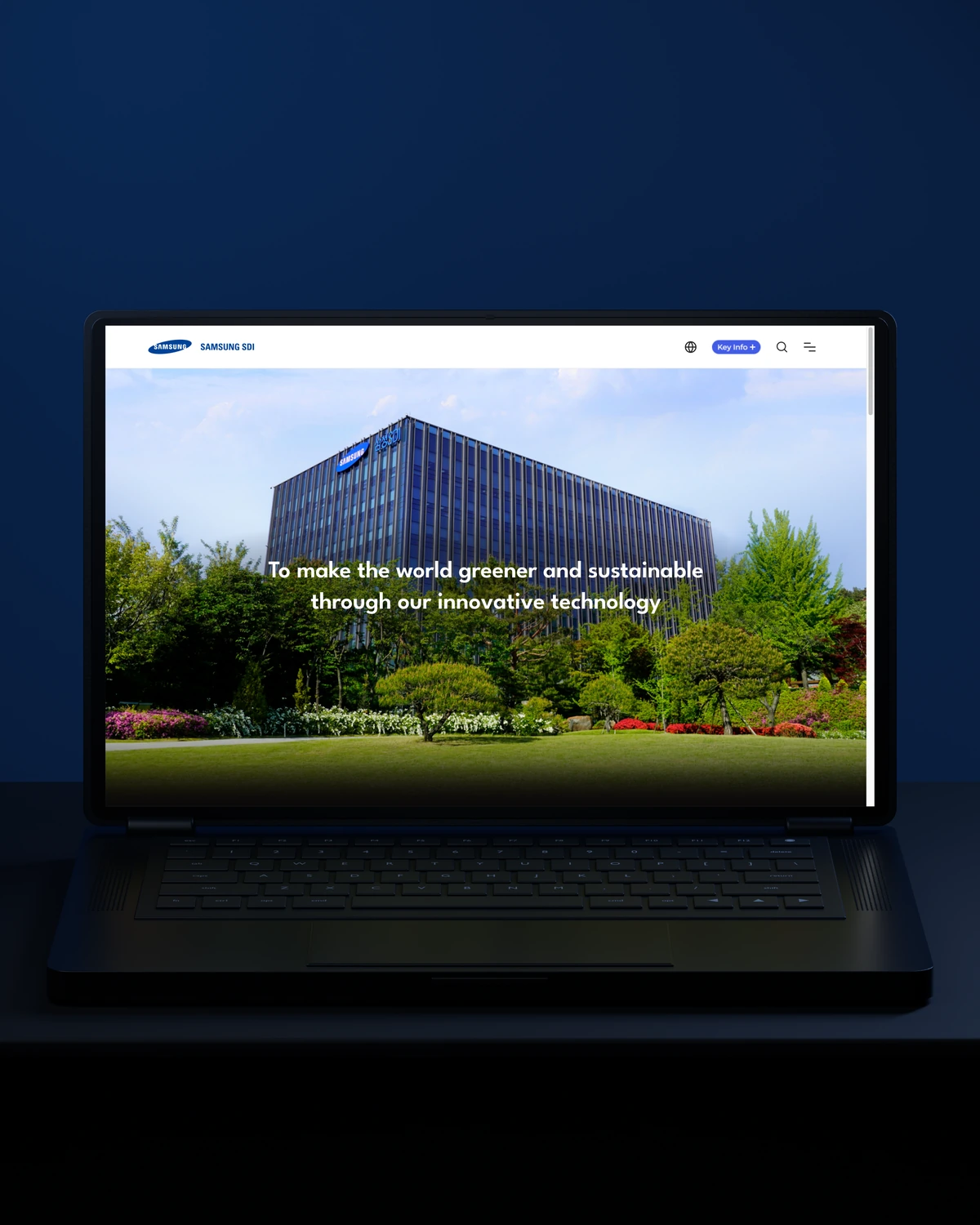

 Built to driveBetter-qualified leads.
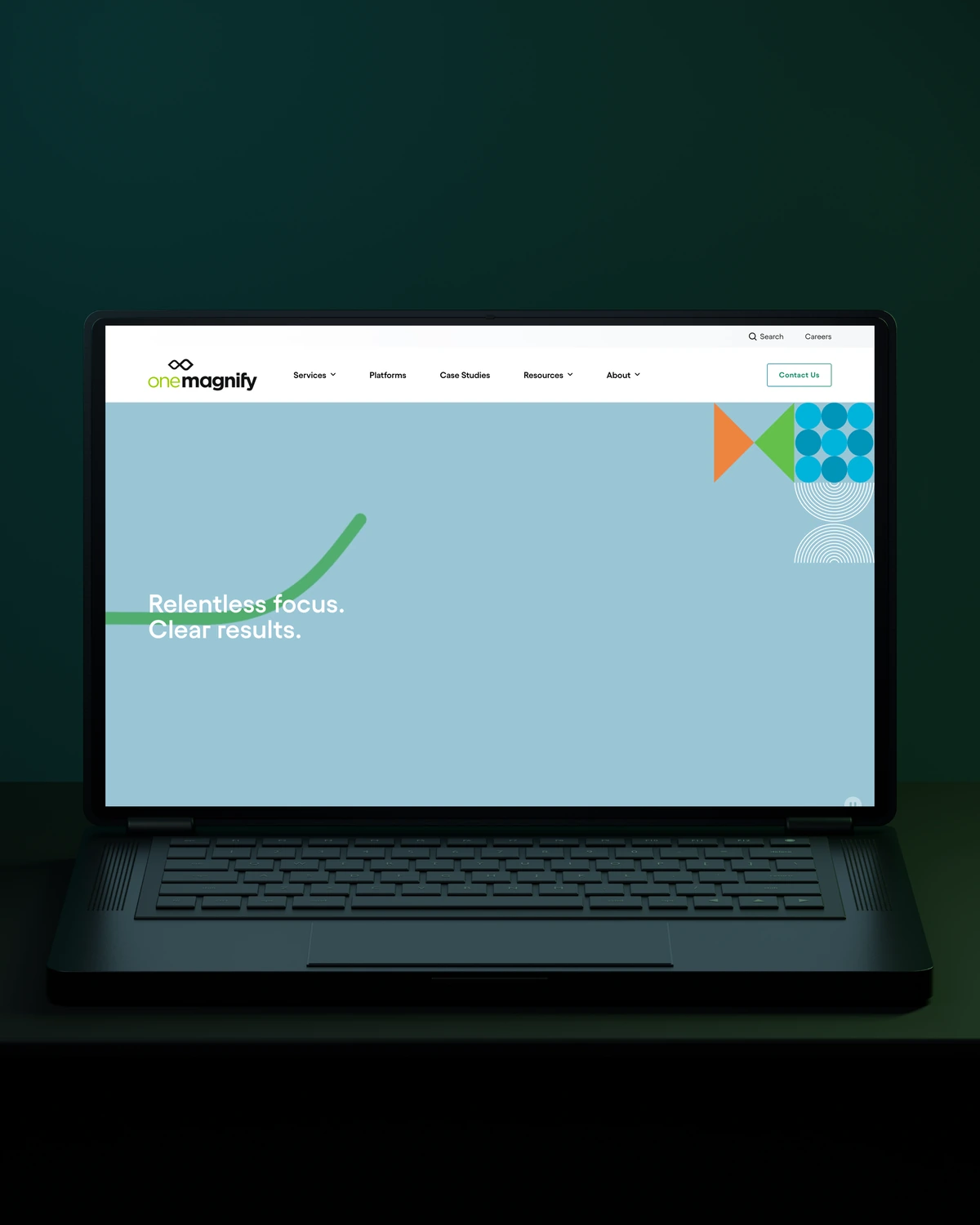
 Built to driveMore qualified candidates.
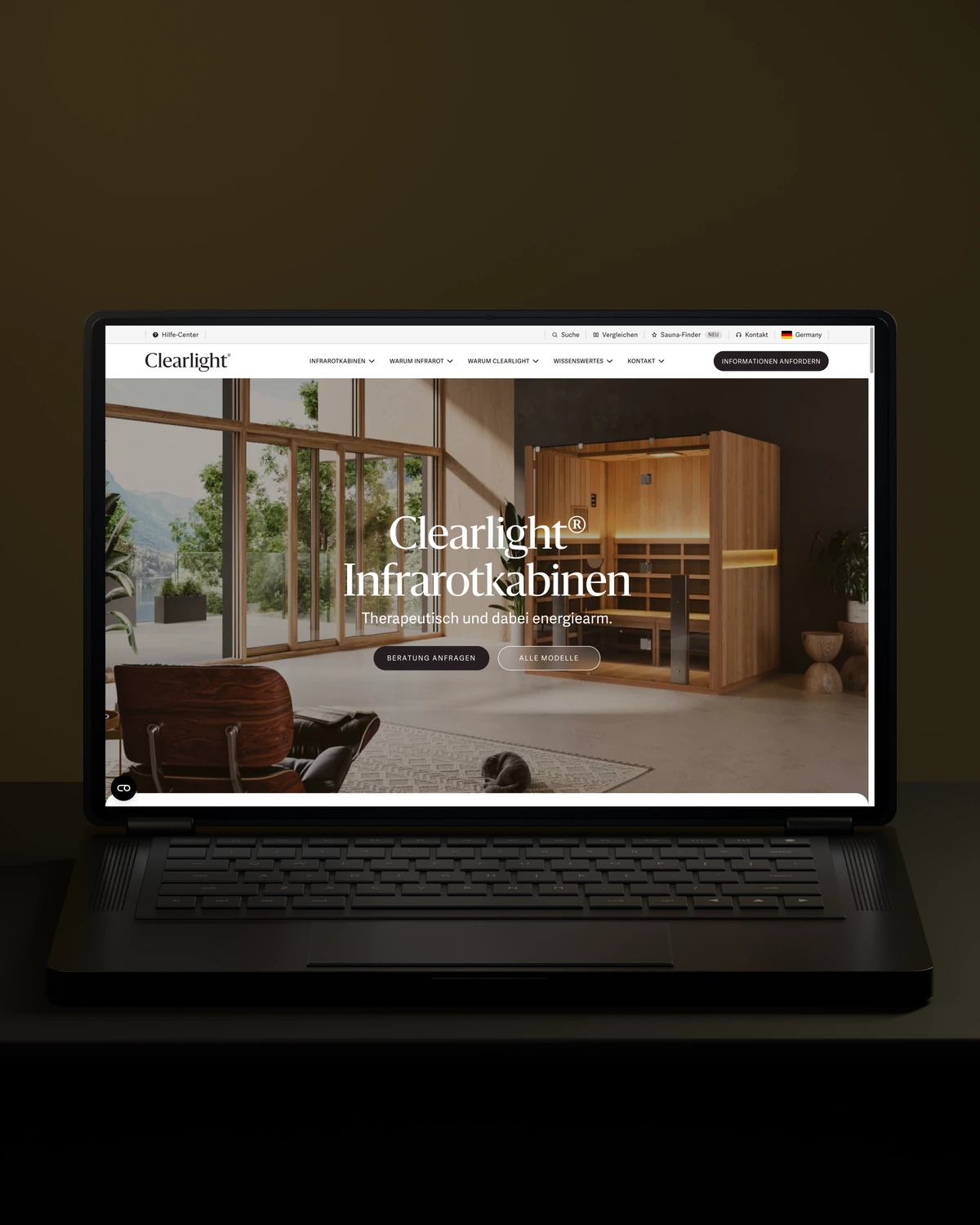


 Built to driveMore enquiries.
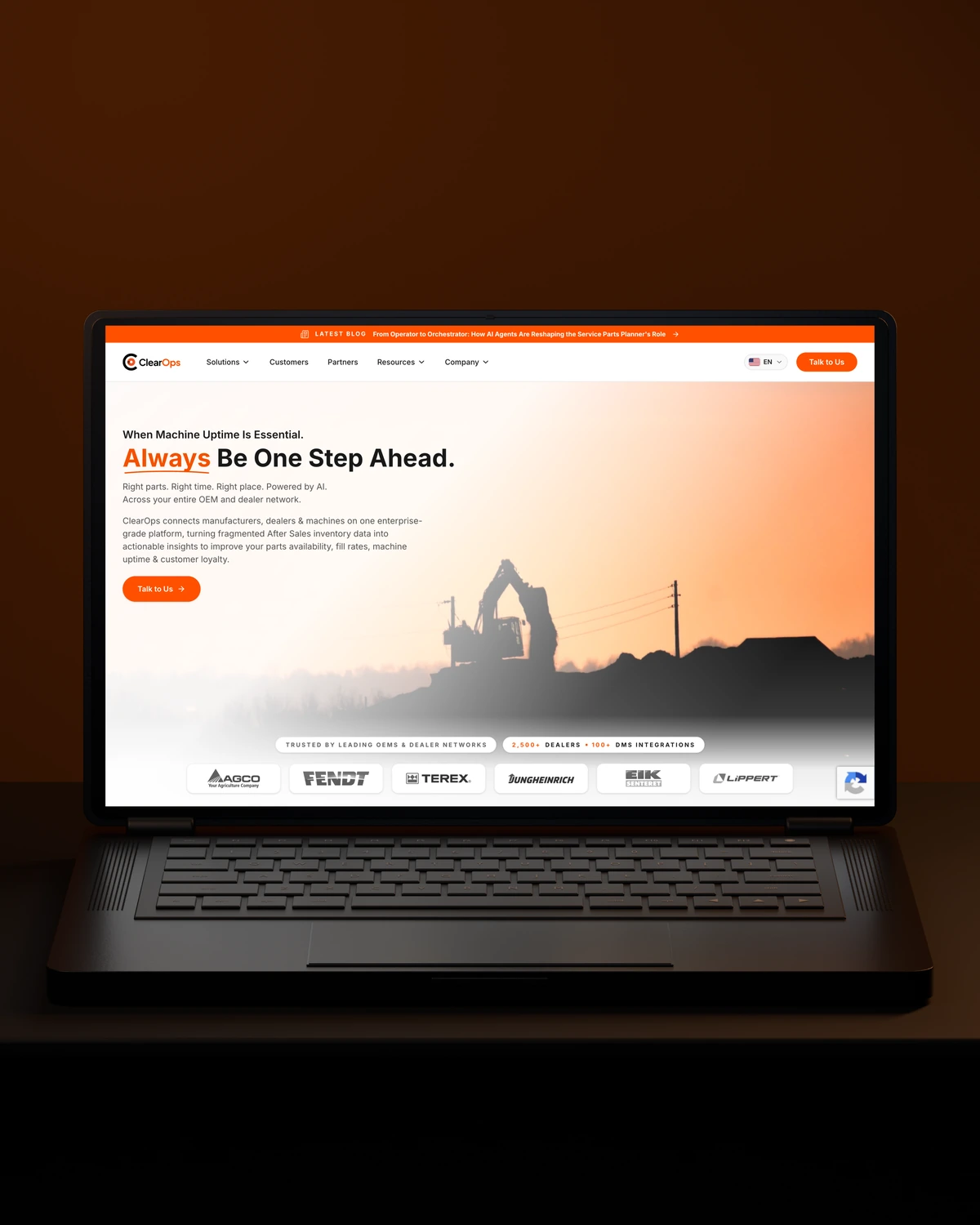
 Built to driveMore qualified demos.
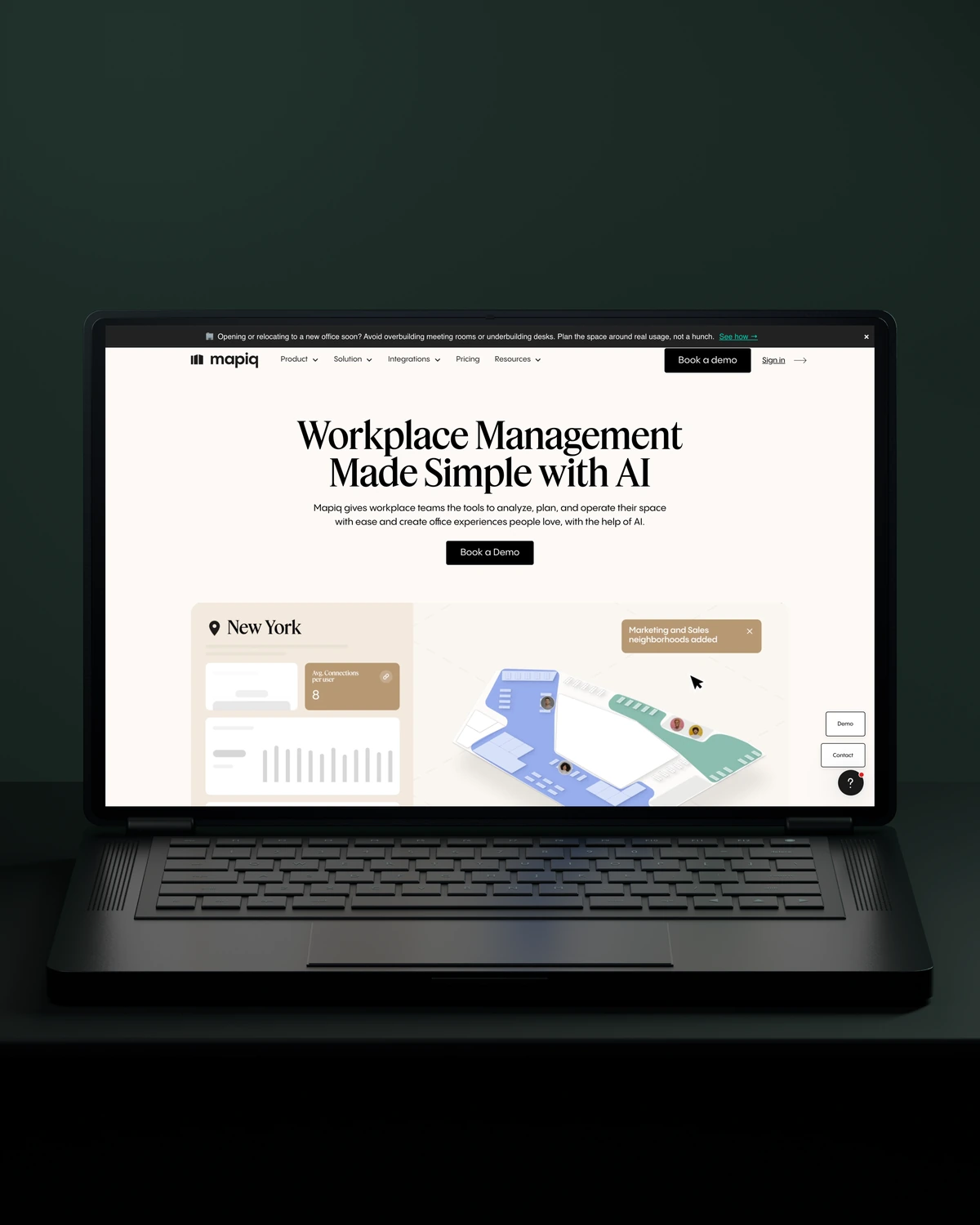
 Built to driveMore workplace demos.
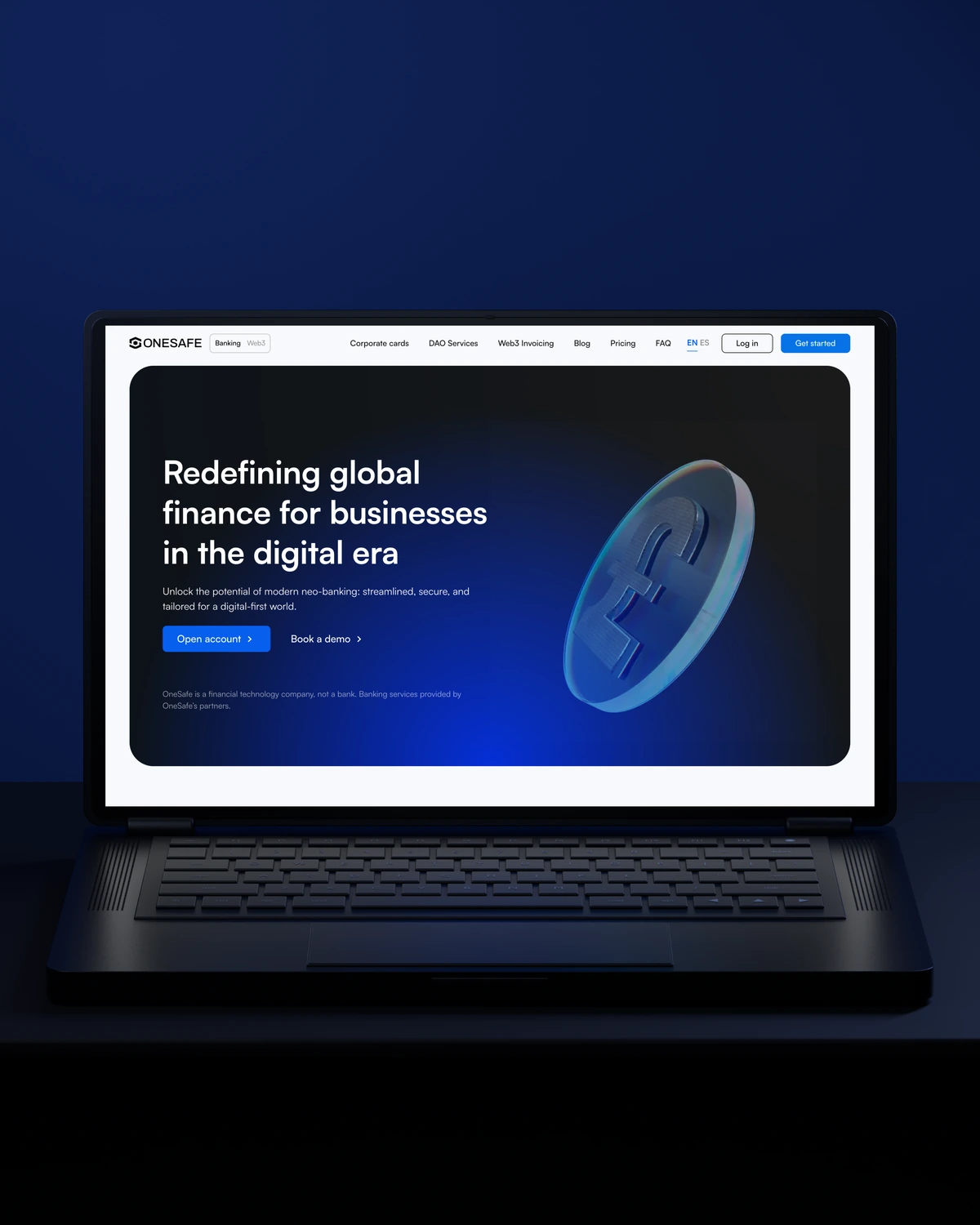
 Built to driveMore business accounts.
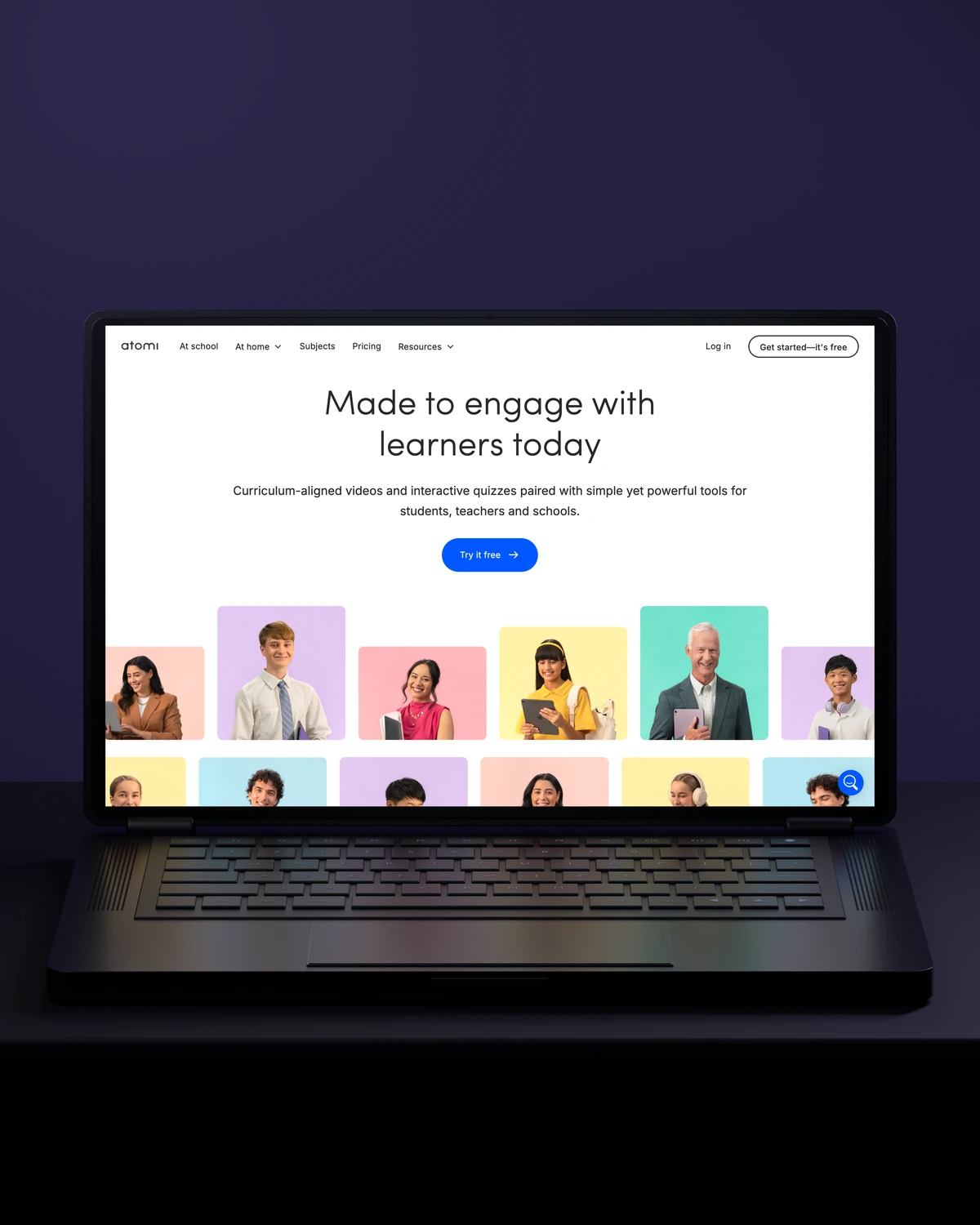
 Built to driveMore free trials.
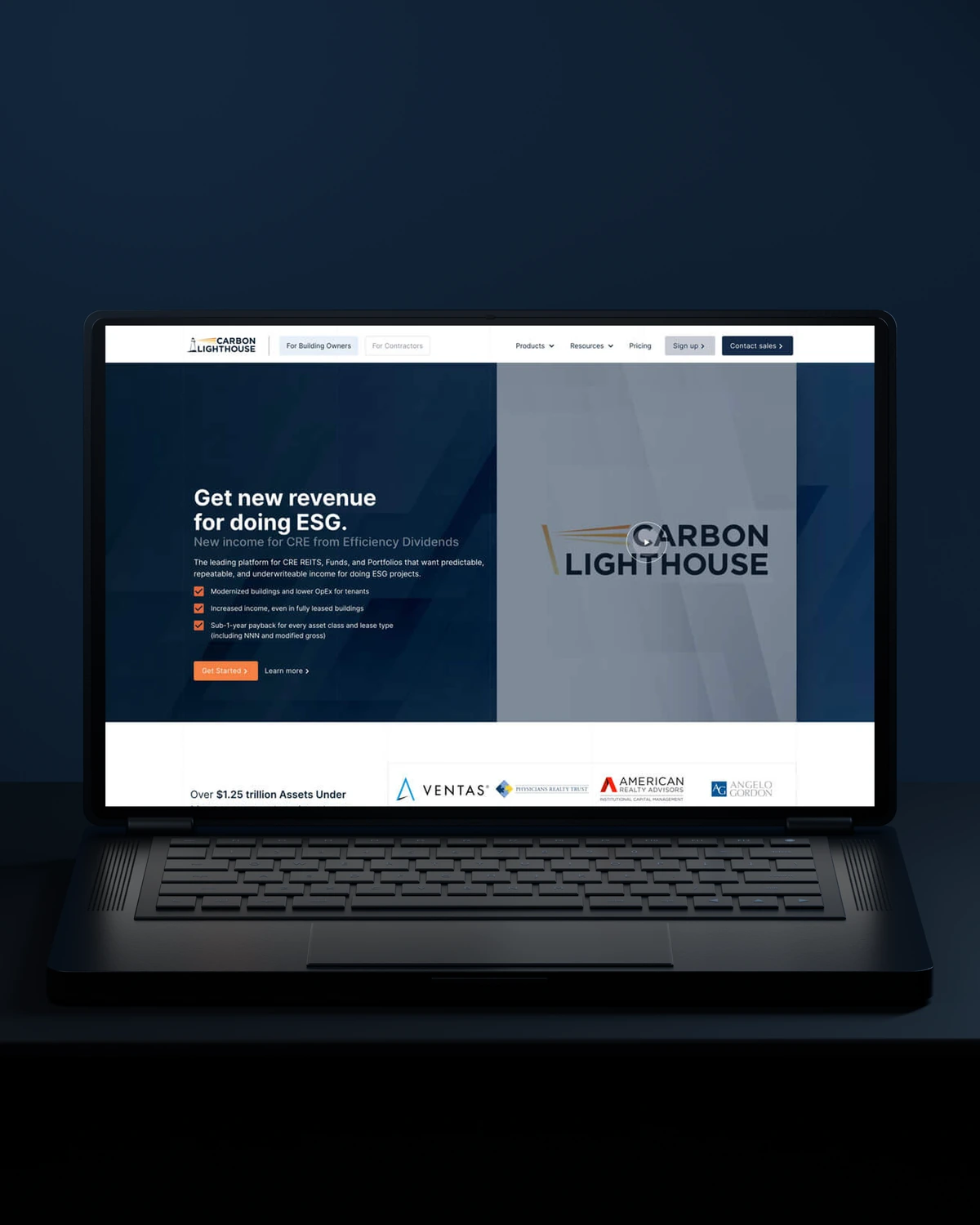
 Built to driveMore building owners.
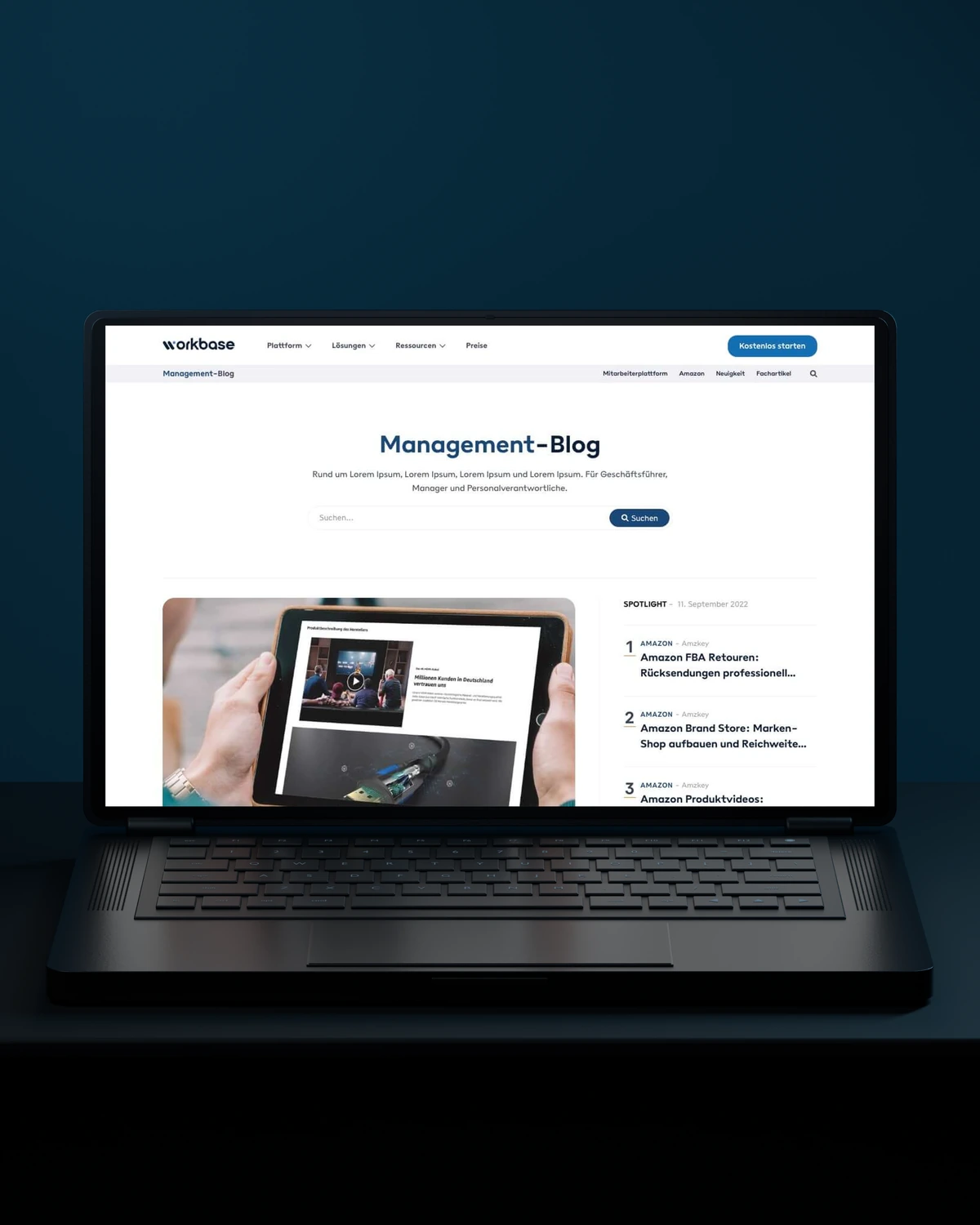
 Built to driveMore free sign-ups.
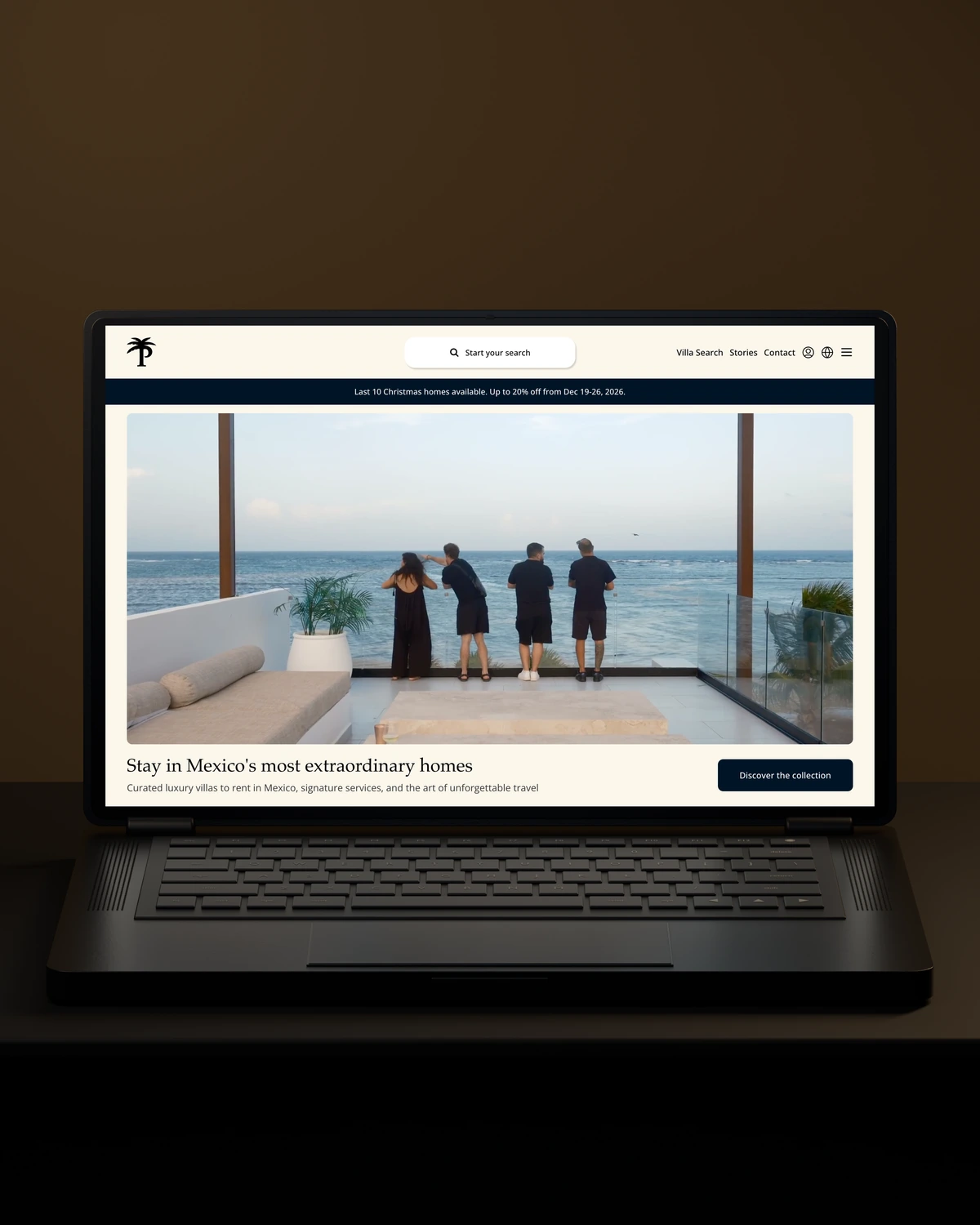
 Private Villas Mexico
 Built to driveMore direct bookings.
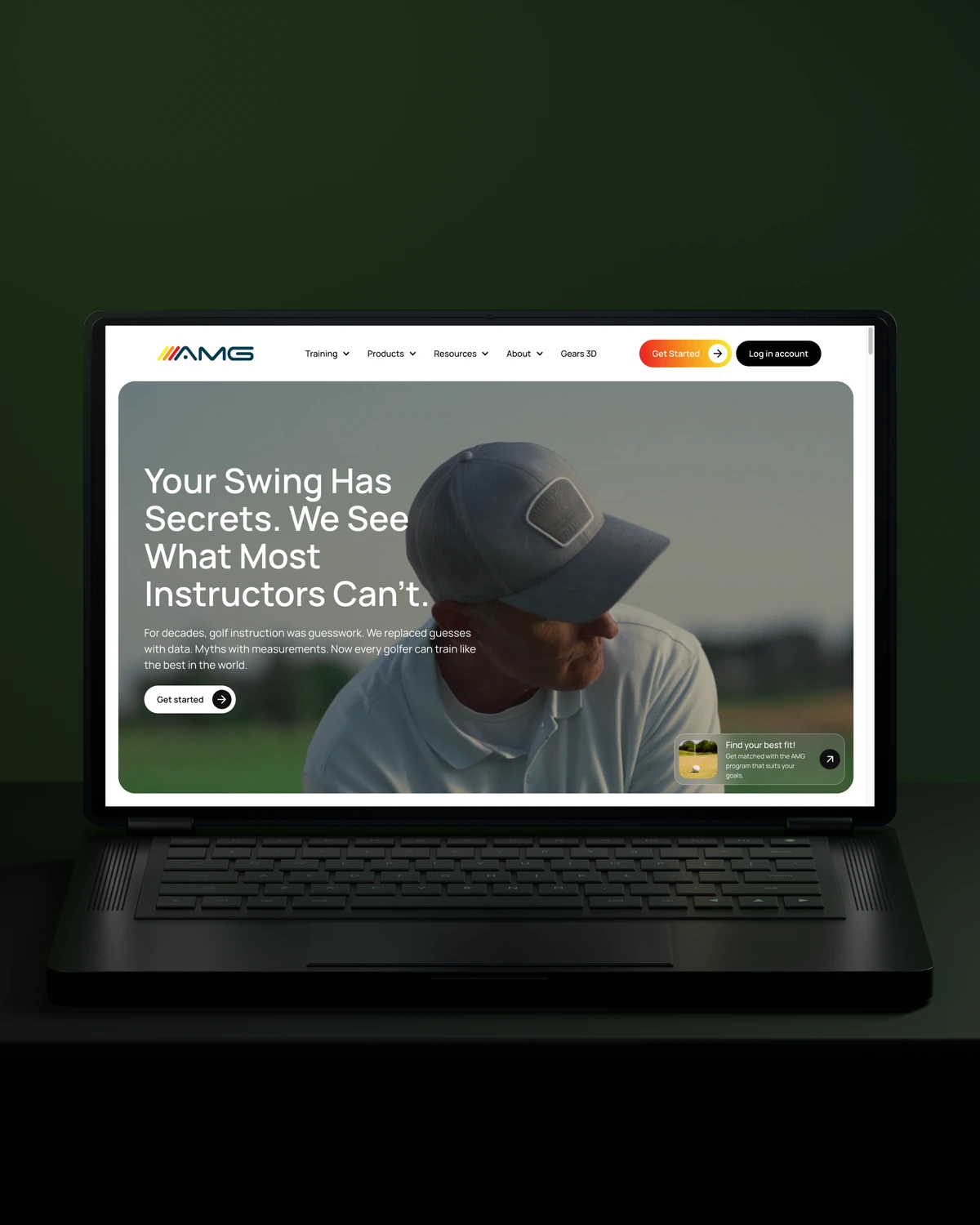
 Built to driveMore committed players.
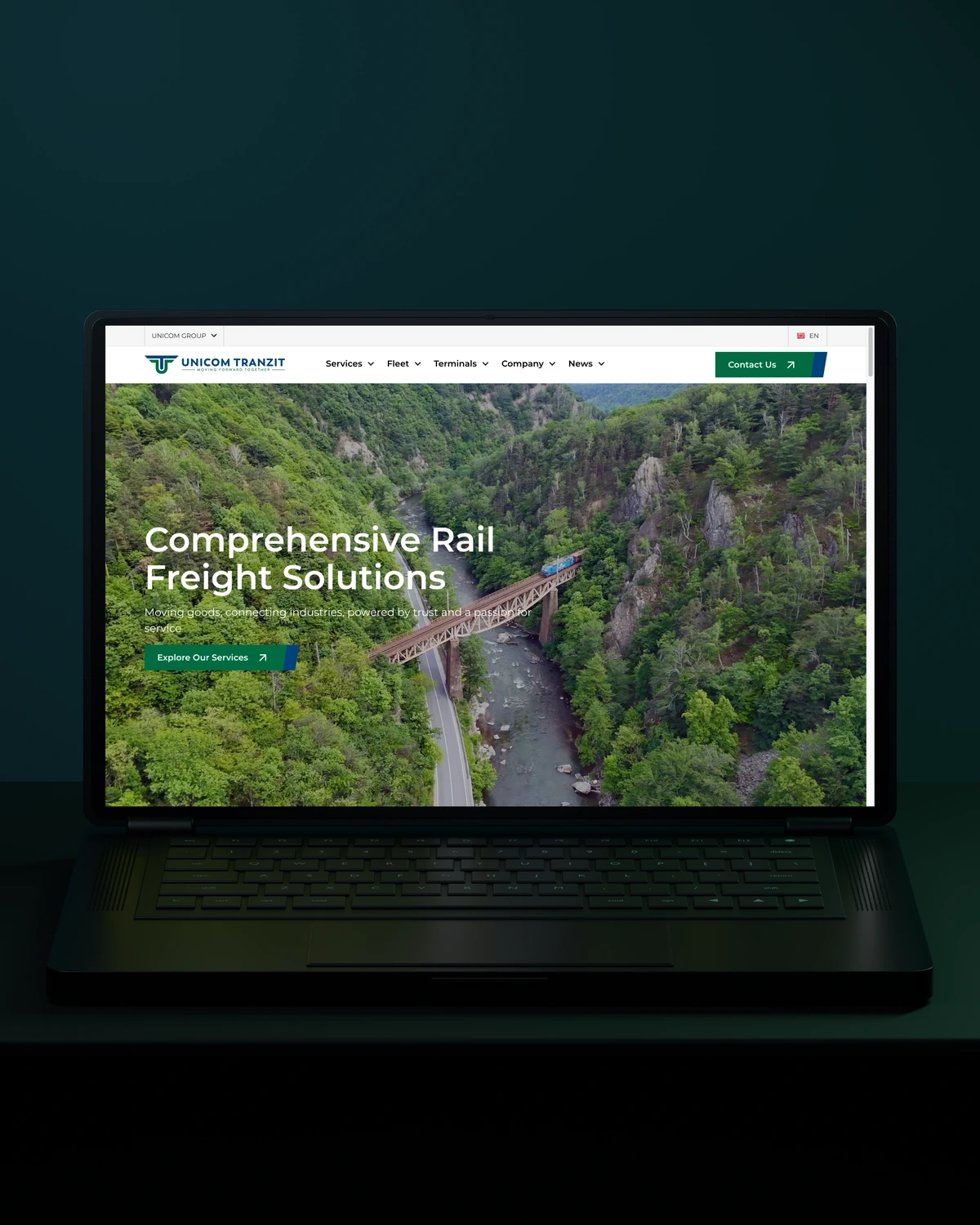

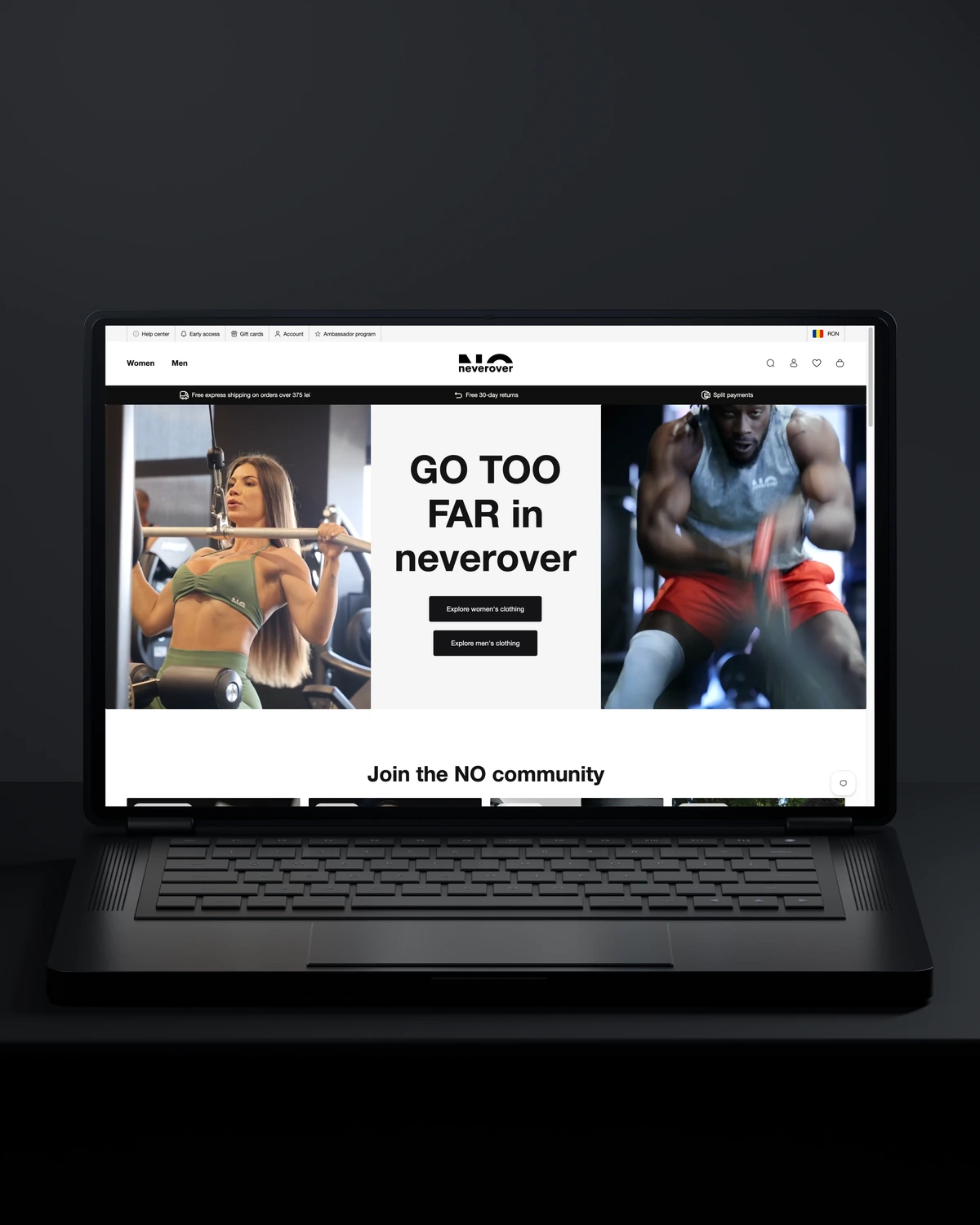
 Built to driveMore returning customers.
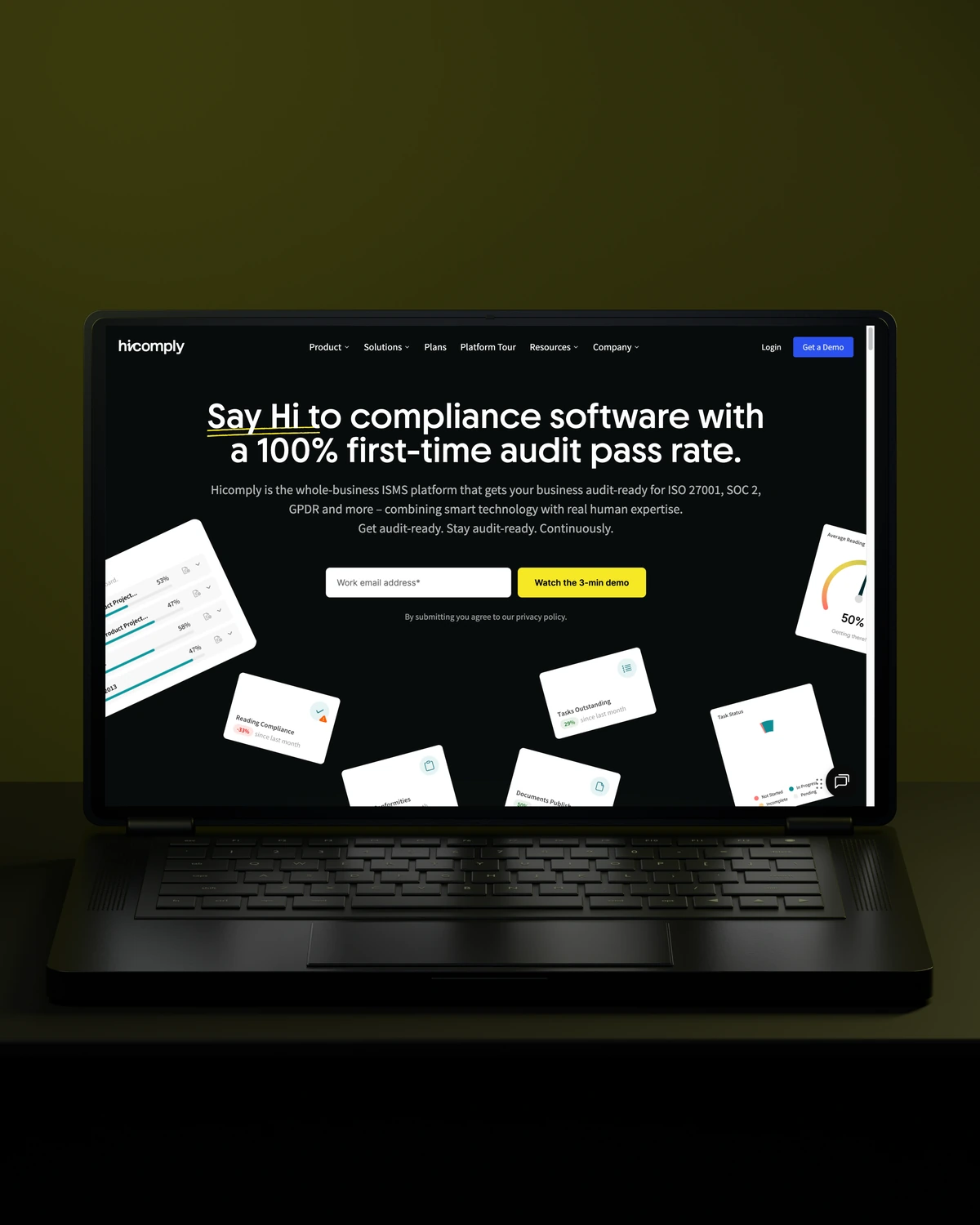
 Built to driveMore meaningful demos.
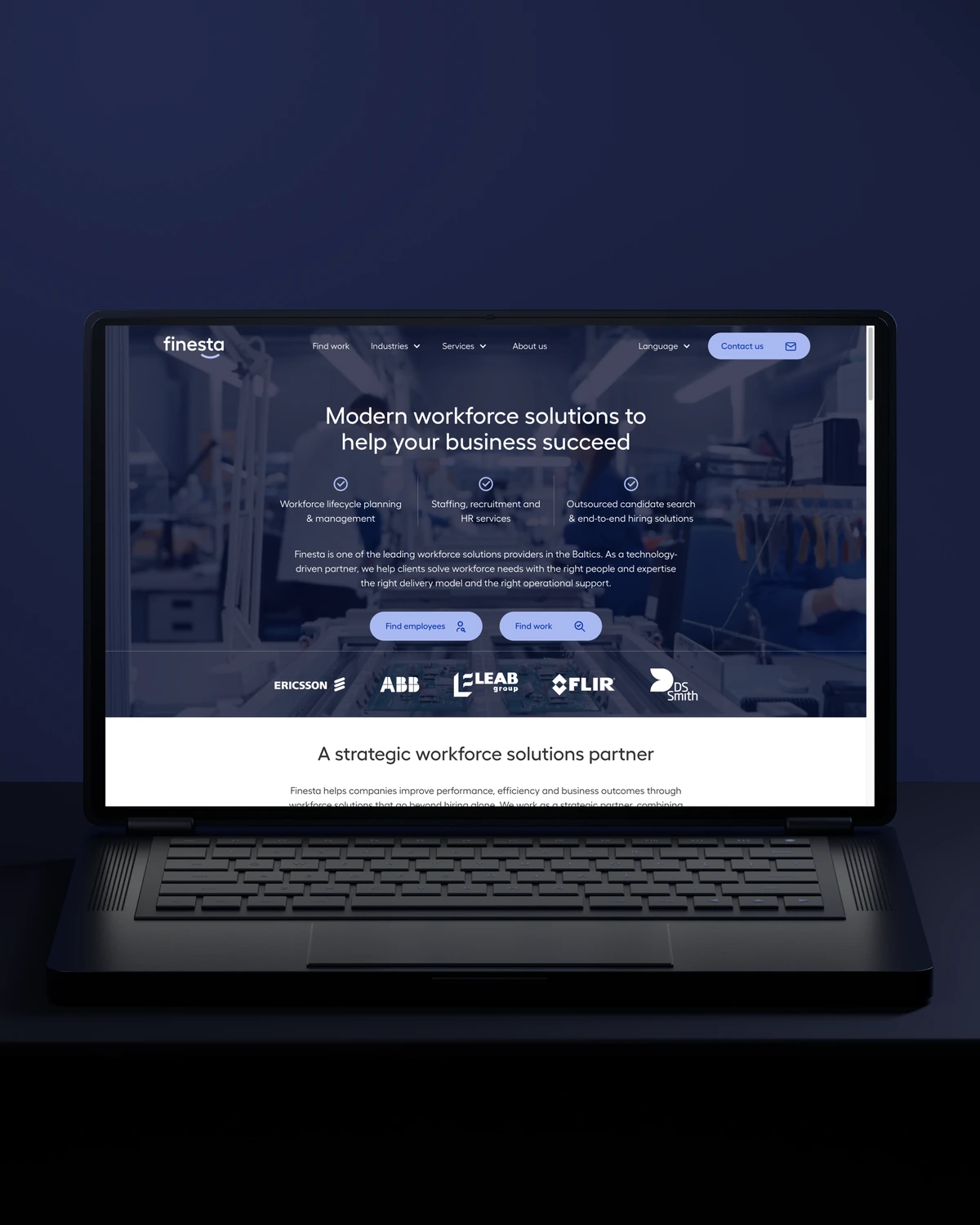
 Built to driveBetter talent connections.
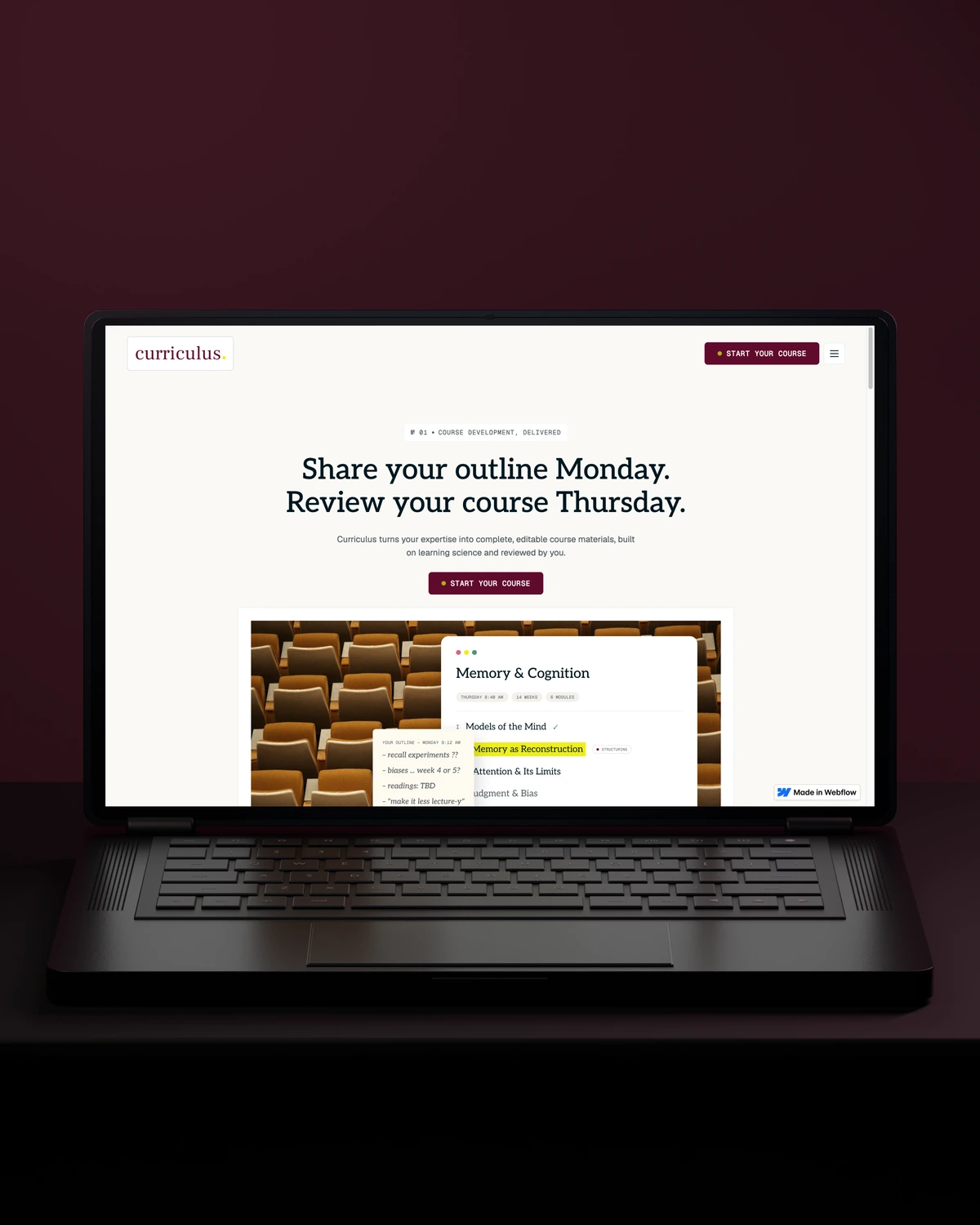
 Built to driveMore course creators.
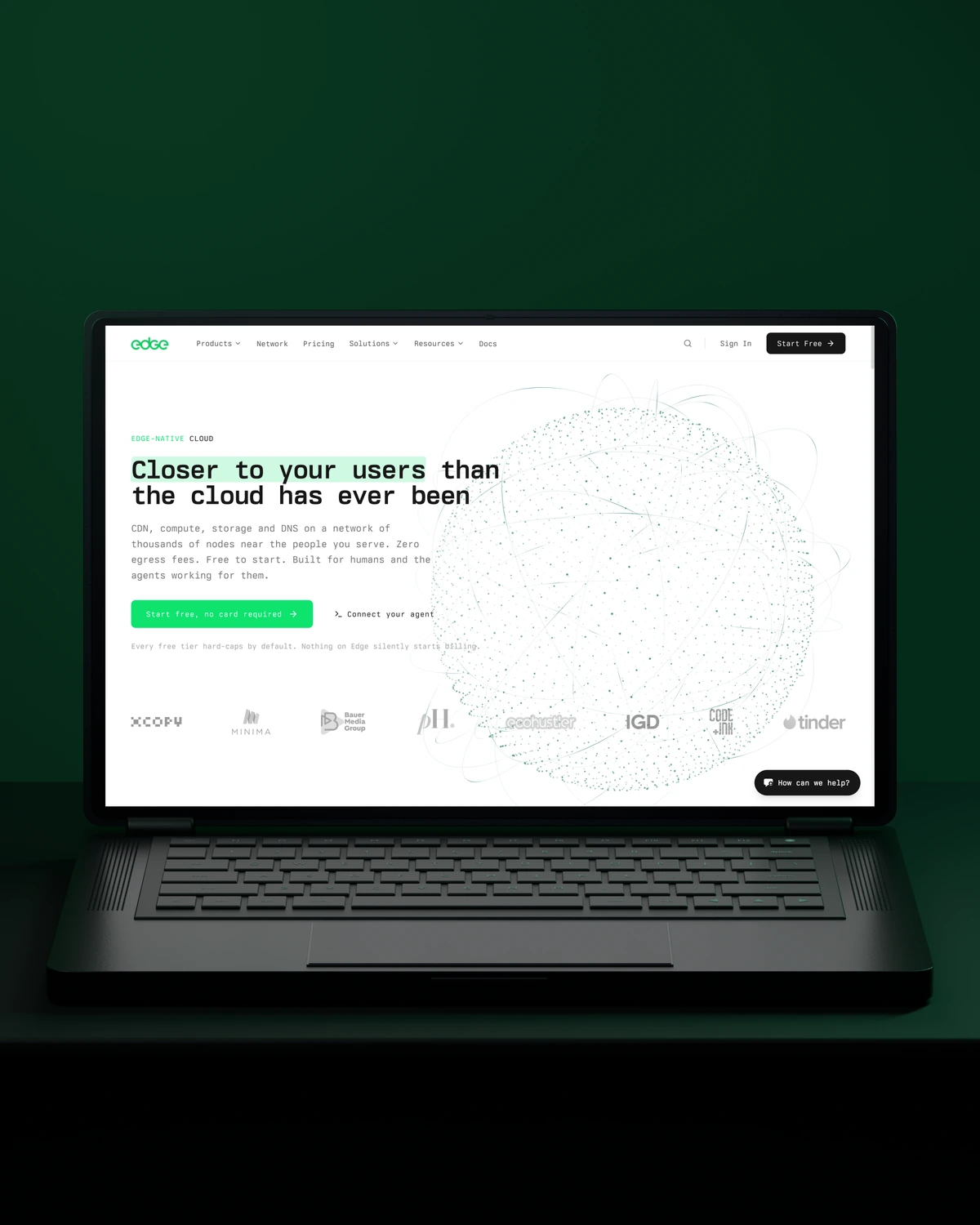
 Built to driveMore product discovery.
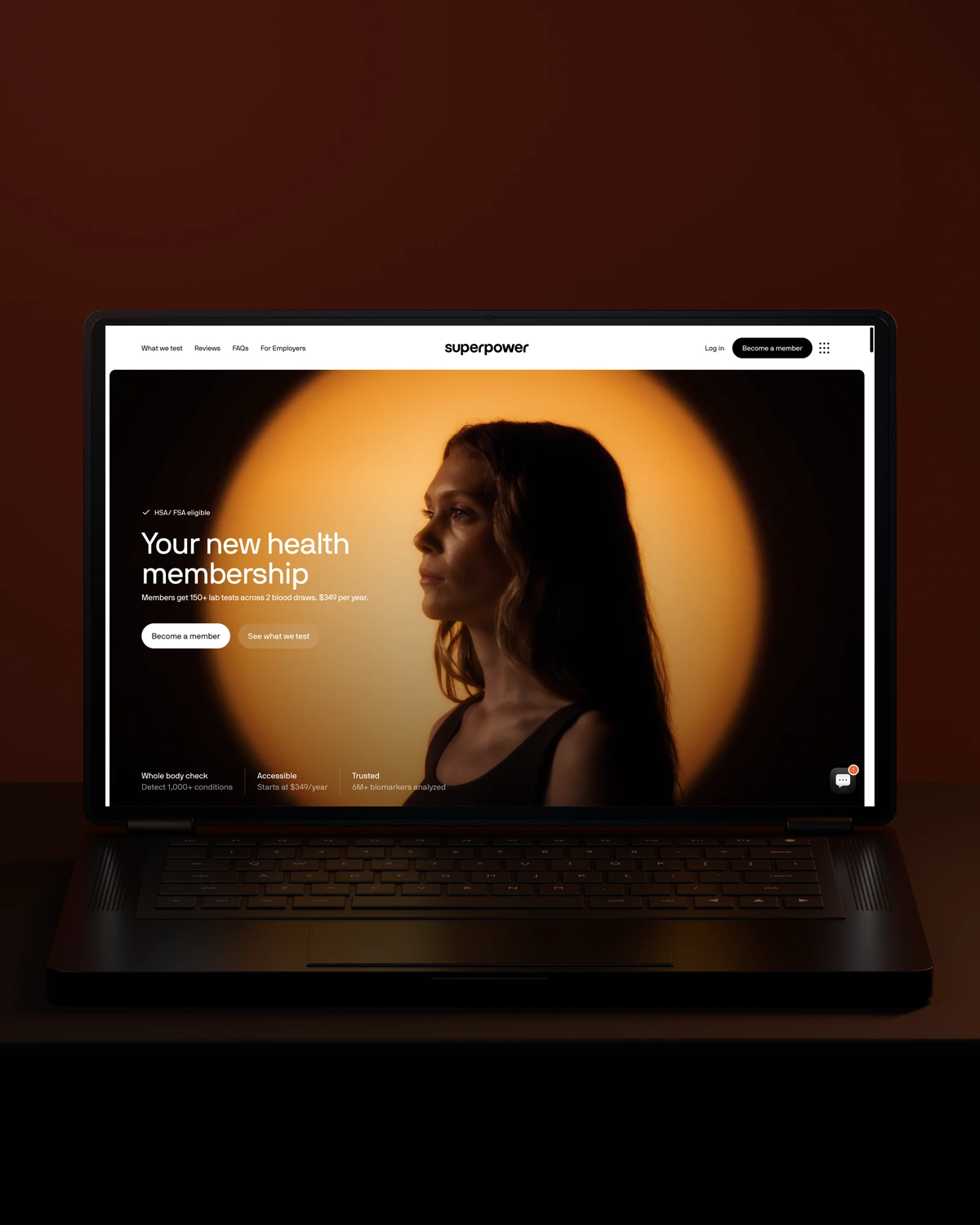
 Built to driveMore sign-ups.
Trusted across our practice
Independent reviews. Long-term working relationships.


“After a website (re)launch, they are also always accessible and happy to help. I highly recommend everyone who is looking for a new and more stable website in Webflow, to work with Stega!”
“Stega Creative team not only understood our needs and vision for the websites, but they also came up with improvements.”
“We’ve been working with Stega & Gabriel for the last two years. Cannot recommend them enough. They’re responsive, professional & an asset.”
A few things worth discussing before your PostHog A/B testing takes shape.
PostHog A/B testing splits users with a feature flag and compares a goal metric between the variants. You define the variants, the metric and the audience in PostHog. Your code reads the flag to show each user their variant, and PostHog calculates which variant performs better.
The traffic a PostHog experiment needs depends on your current conversion rate and the smallest change worth detecting. PostHog estimates the sample size when you set up the test. Low-traffic products should test bigger changes on busier steps, since small tweaks may never reach a clear result.
PostHog can replace Optimizely for product and code-based A/B testing, especially if you already use PostHog for analytics and feature flags. Optimizely is stronger when marketers need a visual editor, personalisation at scale or a stats engine built for high-traffic programmes. We work with both and recommend based on who runs the tests.
A PostHog experiment should run until it reaches the sample size planned before launch, and for at least one full week to cover weekday and weekend behaviour. Stopping early because one variant looks ahead is the most common way to ship a false win.
way.Your ambition. Our collective craft.
Strategy, design and technology, working as one.